
In the modern Australian industrial landscape, adopting a scrap collection app is no longer just an option; it is a strategic necessity for businesses looking to optimize their waste management and revenue streams. By integrating digital tools into your daily operations, you can transform scrap from a logistical burden into a predictable profit center. Whether you are a construction firm, an automotive workshop, or a large-scale manufacturing plant, the ability to track, sort, and sell metal efficiently determines your bottom line. This guide serves as your authoritative resource for navigating the complexities of the industry, from understanding precise metal grades to leveraging the leading scrap metal marketplace for maximum ROI.
Understanding Metal Grades: The Foundation of Profitability
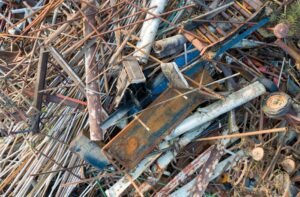
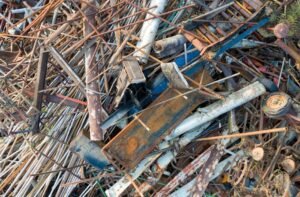
The profitability of your scrap inventory is entirely dependent on your ability to accurately classify materials. In the Australian market, scrap is categorized based on purity, chemical composition, and processing requirements. Ferrous metals, such as steel and iron, are typically traded in high volumes but at lower price points per kilogram. Non-ferrous metals, including copper, aluminum, brass, and stainless steel, command significantly higher premiums due to their infinite recyclability and lower energy requirements for secondary production. Using a scrap collection app allows you to scan or input material types to receive immediate guidance on current market grading standards, ensuring you never undersell premium copper or high-grade aluminum.
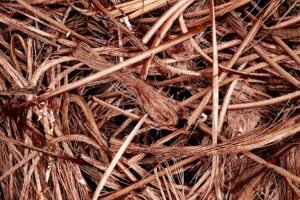
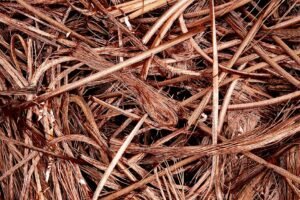
Copper is the gold standard of the scrap industry. It is categorized into grades such as ‘Bright and Shiny’ (Number 1 copper wire), ‘Millberry’ (clean, unalloyed copper), and ‘Candy’ (copper tubing). Contamination, such as solder, paint, or plastic insulation, can downgrade your material significantly, turning a premium load into a lower-value commodity. Aluminum is similarly graded; ‘Extrusion’ (6063 alloy) is highly sought after, while ‘Cast’ aluminum often contains impurities that reduce its value. By utilizing the Ultimate Guide to Scrap Metal Collection in Australia, you can learn to perform on-site inspections that prevent downgrading at the weighbridge. Understanding these nuances is essential for any business engaged in Scrap Metal Collection, as it allows you to sort effectively at the source, reducing transport costs and maximizing the purity of your outgoing shipments.
How Industrial Recycling Works in Australia
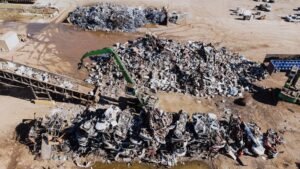
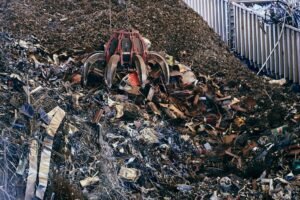
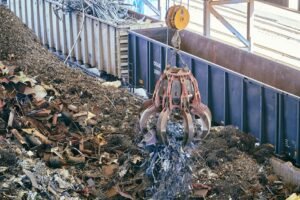
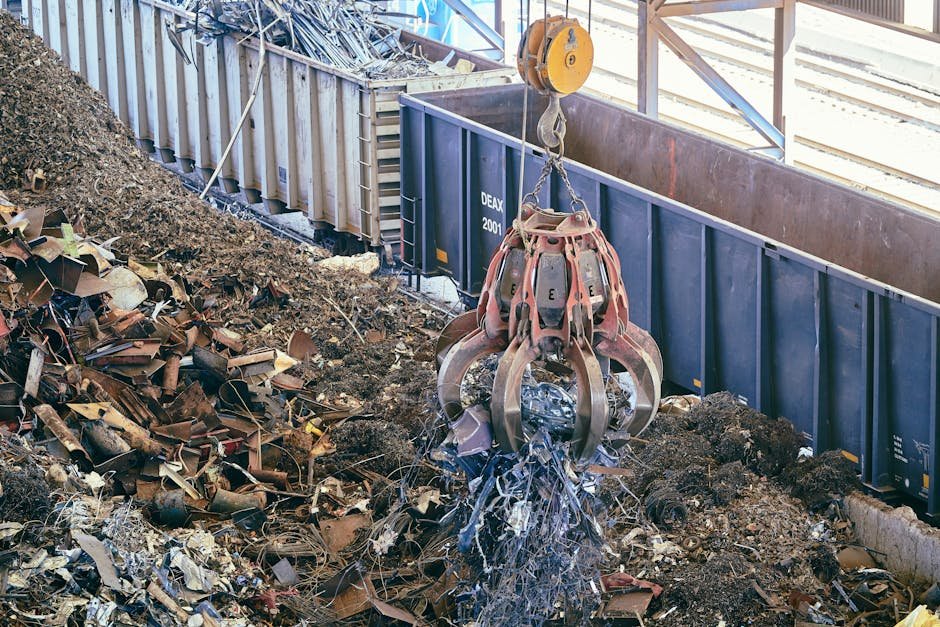
Recycling in Australia has evolved from simple collection to a sophisticated supply chain process. Once scrap is collected, it undergoes a rigorous sequence of processing: sorting, shearing, shredding, and melting. Advanced facilities use magnetic separators to pull ferrous metals from the waste stream, while eddy current separators identify and eject non-ferrous materials. This process is critical for the circular economy, as it provides domestic and international manufacturers with high-quality raw materials that require 90% less energy to process than virgin ore. For businesses looking to scale, a B2b Scrap Trading Platform provides the necessary infrastructure to connect with these high-capacity recyclers, ensuring that your scrap reaches the most efficient end-user.
The logistics of recycling are often the most significant barrier to profitability. Traditional methods involve manual scheduling, inconsistent pricing, and reliance on local scrap yards that may not offer competitive rates. Digital transformation changes this dynamic. By utilizing a centralized platform, you gain visibility into the entire recycling lifecycle. You can monitor the movement of your scrap, track weight tickets, and ensure compliance with environmental regulations. This level of transparency is vital for companies participating in the Australian scrap industry, as it simplifies reporting for ESG (Environmental, Social, and Governance) targets. When you integrate a scrap collection app into your workflow, you are not just selling metal; you are optimizing a supply chain that contributes to Australia’s national resource recovery goals.
Environmental Benefits and Regulatory Compliance
The environmental imperative for scrap recycling is undeniable. Every tonne of recycled steel saves over a tonne of iron ore, 600kg of coal, and 50kg of limestone. By diverting scrap from landfill, businesses reduce their carbon footprint and mitigate the ecological damage associated with open-cut mining. Furthermore, the Australian government is increasingly implementing strict regulations regarding the handling of hazardous scrap, such as lead-acid batteries and e-waste. Improper disposal can lead to heavy fines and reputational damage. A robust digital collection system maintains an audit trail, proving that your scrap has been processed by licensed, environmentally responsible facilities.
Beyond the regulatory landscape, there is a growing demand from consumers and partners for sustainable business practices. Companies that can demonstrate a high rate of circularity—where scrap is effectively returned to the manufacturing loop—are increasingly winning contracts and securing investment. This is where the Scrap Trade Australia ecosystem provides a competitive edge. By leveraging data from your recycling activities, you can generate reports that quantify your contribution to sustainability, providing tangible proof of your commitment to the environment. This data-driven approach is the future of the industry, moving away from informal, opaque transactions toward a professionalized, transparent, and profitable model of resource management.
Scaling Your Operations with Digital Tools
To scale your scrap operations, you must move beyond manual spreadsheets and phone calls. The most successful scrap generators in Australia utilize automated systems to manage their inventory. This involves setting up designated collection points, training staff on proper sorting techniques, and using a scrap collection app to schedule pickups based on real-time capacity and current market pricing. When your bins are full, the app notifies your preferred logistics partner, ensuring that your yard remains clear and your operations remain uninterrupted. This efficiency reduces the ‘hidden’ costs of scrap management, such as labor hours spent on manual sorting and the opportunity cost of holding onto valuable inventory during price fluctuations.
Furthermore, digital platforms allow you to compare prices across multiple buyers. The scrap market is notoriously volatile, with prices influenced by global demand, particularly from manufacturing hubs in Asia. A scrap collection app provides you with the data necessary to time your sales, ensuring you sell when prices are at their peak. This is the difference between treating scrap as a nuisance to be removed and treating it as a strategic asset. By engaging with a professional Scrap Trade Australia network, you gain access to market intelligence, logistics support, and competitive bidding that was previously only available to large-scale industrial players. This democratization of the scrap market is empowering small and medium enterprises to achieve margins that were previously unattainable.
Practical Strategies for On-Site Scrap Management
Effective on-site management is the cornerstone of high-yield recycling. The first step is implementing a ‘source-segregation’ strategy. By placing clearly labeled bins for different metal grades throughout your facility, you eliminate the need for costly secondary sorting. For example, keep copper, brass, and aluminum in separate, dedicated containers. This prevents cross-contamination, which is the primary cause of price downgrades. Regularly training your team on these protocols is essential; even a small amount of steel in a bin of copper can reduce the value of the entire shipment to the price of the lower-value contaminant. A scrap collection app can assist here by providing visual guides for your staff, ensuring they know exactly which items go into which container.
Another critical strategy is the management of ‘dirty’ scrap. Items like motors, radiators, and transformers contain a mix of metals and often require specialized processing. Instead of throwing these into the general steel pile, identify them as distinct categories. Many modern recycling facilities offer higher rates for ‘prepared’ scrap—material that has been stripped of non-metallic components. While this requires an initial investment in labor, the increased payout usually far exceeds the cost of time spent. Use your digital platform to communicate with your scrap buyer about the specific state of your materials; they can often provide guidance on the most profitable way to prepare your scrap for their specific processing machinery. This collaborative approach turns your scrap buyer into a partner in your business’s profitability.
The Future of the Australian Scrap Market
The Australian scrap industry is currently undergoing a period of rapid professionalization. As global supply chains face increasing scrutiny, the demand for traceable, high-quality secondary raw materials is skyrocketing. We are seeing a shift toward ‘smart’ recycling, where IoT sensors in bins monitor fill levels and notify collectors automatically, and where blockchain technology is used to verify the origin and purity of recycled metals. Businesses that adopt these technologies now will be the leaders of the next decade. The scrap collection app is the entry point into this future, providing the connectivity and data required to thrive in a digital-first economy.
As you look to the future, consider how your scrap management can integrate with your broader corporate strategy. Are you tracking your tonnage to meet sustainability reporting requirements? Are you utilizing price alerts to optimize your sales timing? Are you working with partners who provide transparent weight tickets and prompt payment? These are the questions that separate high-performing companies from those that leave money on the table. By leveraging the Ultimate Guide to Scrap Metal Collection in Australia, you have the knowledge to build a system that is efficient, compliant, and highly profitable. The era of the ‘scrap man’ in a rusty truck is being replaced by a sophisticated, data-driven supply chain. Embrace this change, utilize the available digital tools, and turn your scrap metal into a reliable, consistent, and sustainable revenue stream for your business.
Related: Ultimate Guide to Scrap Metal Collection in Australia
Frequently Asked Questions
How does a scrap collection app improve my profit margins?
A scrap collection app improves margins by providing real-time market pricing, which allows you to sell when prices are highest. It also streamlines logistics, reducing the labor costs associated with manual scheduling and ensuring your scrap is graded accurately to prevent downgrades.
What is the most important factor in maximizing scrap value?
The most important factor is source segregation. By keeping different metal grades, such as copper, aluminum, and steel, in separate, clean containers, you avoid contamination and ensure you receive the highest possible market rate for each specific material.
How can I ensure my scrap recycling is environmentally compliant?
You ensure compliance by working exclusively with licensed recycling facilities that provide transparent documentation for every transaction. Using a digital platform helps maintain an audit trail of your waste, which is essential for meeting ESG reporting requirements.
Does my business size matter for using a scrap trading platform?
No, digital scrap trading platforms are designed to scale, benefiting both small workshops and large industrial plants. They provide equal access to competitive pricing and professional logistics, allowing businesses of all sizes to optimize their waste management.