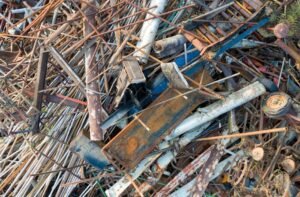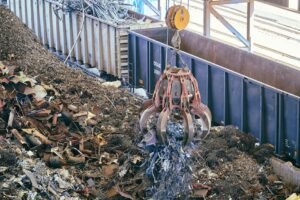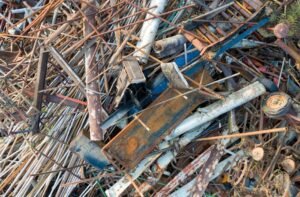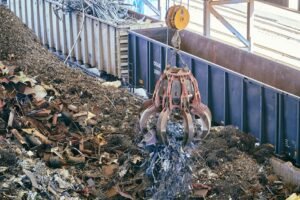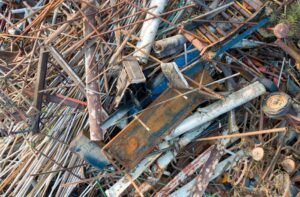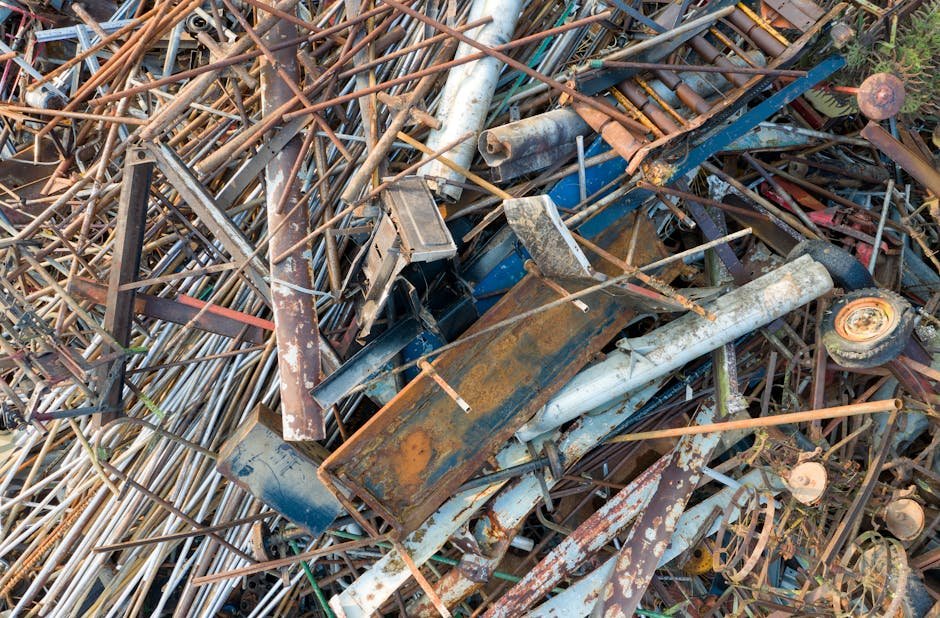

Australia’s scrap metal recycling centers are the backbone of the circular economy, turning discarded steel, copper, aluminium and specialty alloys into profitable feedstock while keeping landfill volumes low.
Understanding Metal Grades and Their Impact on Price
Every kilogram of scrap is assigned a grade based on composition, cleanliness, and physical condition. Higher grades command premium rates because they require less processing before they can be melted into new products.
- Grade A – Clean Ferrous: Includes new‑construction steel, re‑bar, and clean scrap iron. Typical price: $180‑$210 per tonne in 2026.
- Grade B – Mixed Ferrous: Contains painted or rusted steel, automotive hulks, and pipe. Price drops 10‑15% due to extra de‑contamination.
- Grade C – Non‑Ferrous Copper: Pure copper wire, tubing, and busbars. Commands $7,500‑$8,200 per tonne.
- Grade D – Aluminium Alloys: Includes cans, window frames, and die‑cast parts. Valued at $2,200‑$2,600 per tonne.
- Grade E – Specialty Alloys: Nickel, titanium, or high‑strength steel. Prices are negotiated case‑by‑case.
Knowing these grades lets you sort your load before you arrive, guaranteeing the highest payout at any scrap metal recycling center you visit.
The End‑to‑End Recycling Workflow
When you drop off material, the center follows a proven sequence that maximises recovery and minimises contamination.
- Weigh‑in & Documentation: Digital scales record net weight; receipts are issued for tax‑deductible claims.
- Initial Sorting: Workers separate ferrous from non‑ferrous using magnets and hand‑sorting stations.
- Shredding & Baling: Large pieces are shredded to uniform size, then compacted into bales for efficient transport.
- Metal Detection & Purging: Advanced sensors extract ferrous contaminants from non‑ferrous streams, preserving alloy purity.
- Melting & Casting: Bales are melted in electric or induction furnaces; the liquid metal is cast into ingots or billets ready for resale.
Each step is tracked in real time, allowing you to verify that your scrap follows a transparent path from your driveway to the steel mill.
Environmental and Economic Benefits
Recycling metal saves up to 95% of the energy required to produce virgin material. For example, recycling aluminium uses only 5% of the electricity needed for primary smelting, cutting greenhouse‑gas emissions by roughly 10 tons per tonne.
- Reduced Mining Impact: Less ore extraction means fewer habitat disruptions and lower water usage.
- Lower Carbon Footprint: Energy savings translate directly into CO₂ reductions, supporting Australia’s Net‑Zero targets.
- Job Creation: The recycling sector employs over 12,000 Australians, from collection drivers to furnace operators.
- Revenue Generation: By selling high‑grade scrap, businesses offset operational costs and improve cash flow.
When you choose a reputable scrap metal recycling center, you contribute to these outcomes while turning waste into immediate profit.
Choosing the Right Center and Taking Action Today
Not all facilities are equal. Look for centers that publish current grade rates, offer transparent weighing procedures, and provide certified documentation for tax purposes. Choosing the right scrap metal recycling centers ensures you receive fair market rates and reliable service.
Start by searching Scrap Metal Recycling Near Me to see a map of accredited facilities. If you’re ready to monetize your inventory, visit Sell Scrap Metal Near Me In 2026 for instant price quotes.
Curious about the business model? Compare the margins of a dealer versus a recycler in our guide Scrap Trading Vs Recycling Business. For localized searches, try the phrase scrap metal recycling near me or explore the broader topic of scrap metal recycling to understand industry standards.
Ready to turn your pile of copper wire or rusted steel into cash? Visit Australia’s leading scrap marketplace now, or contact ScrapTrade Australia for a personalized pickup schedule. Act now—every kilogram you recycle today adds profit to your bottom line and points toward a greener future.
Frequently Asked Questions
What types of metal are accepted at scrap metal recycling centers?
All common ferrous and non‑ferrous metals are accepted, including steel, iron, copper, aluminium, brass, and specialty alloys, provided they are free of hazardous contaminants.
How are scrap metal prices determined?
Prices are set by grade, market demand, and global commodity rates. Clean, high‑grade material fetches the highest per‑tonne price, while mixed or contaminated loads receive a discount.
Do I need to separate metals before dropping them off?
Separating metals by grade before arrival maximises your payout and speeds up processing. Most centers offer on‑site sorting, but pre‑sorting reduces labor costs and improves rates.
Is recycling metal better for the environment than mining new ore?
Yes. Recycling uses dramatically less energy, reduces greenhouse‑gas emissions, conserves water, and limits habitat disruption compared with extracting and refining virgin ore.