
Understanding the operational standards of turners scrap metal is essential for businesses and individuals looking to participate in Australia’s robust circular economy. As the industry evolves, the ability to identify, sort, and process various metal grades has become a cornerstone of sustainable resource management. Whether you are managing industrial site waste or clearing out a domestic garage, knowing how to navigate the market ensures you receive fair value while contributing to a greener future.
The Evolution of Turners Scrap Metal and Industry Standards
The scrap metal industry in Australia has transitioned from simple collection to a sophisticated high-tech sector. When discussing turners scrap metal, we are referring to the professional-grade handling of ferrous and non-ferrous materials. The industry relies on strict grading systems—often dictated by the Institute of Scrap Recycling Industries (ISRI) standards—which categorize metals based on purity, density, and chemical composition. These standards ensure that when a facility processes a load, the resulting raw material can be seamlessly integrated into new manufacturing cycles.
For those looking to optimize their logistics, understanding the local market is vital. If you are searching for a facility, you can Scrap Metal Recycling Near Me to find compliant, licensed yards. The professional handling of metal prevents hazardous leaching into the soil and ensures that energy-intensive mining processes are minimized. By choosing reputable partners, you ensure that your scrap is handled according to Australian environmental regulations.
Comprehensive Guide to Scrap Metal Grades
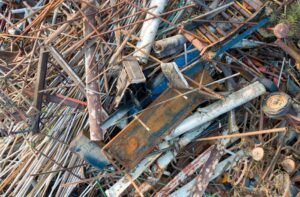
Not all metal is created equal. The market value of your load depends entirely on its grade. Ferrous metals, which contain iron and are magnetic, are typically sold in bulk. Non-ferrous metals, such as copper, aluminium, brass, and lead, command higher prices due to their scarcity and infinite recyclability.
- Copper: The gold standard of scrap. Grade 1 (bright and shiny) fetches the highest price.
- Aluminium: Common in construction and automotive parts. Extrusion and cast aluminium are graded differently.
- Stainless Steel: Valued for its chromium and nickel content.
- Brass: Often found in plumbing fixtures and fittings.
To keep track of what your material is worth, you should regularly check Scrap Metal Prices to align your expectations with current market volatility. Factors influencing these prices include global demand, supply chain disruptions, and the cost of energy required for refining.
How the Recycling Process Works
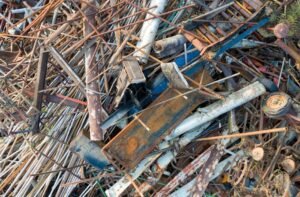
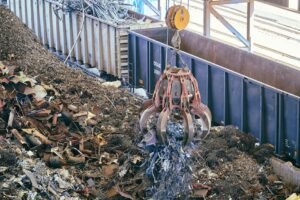
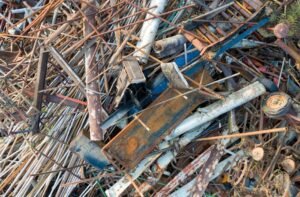
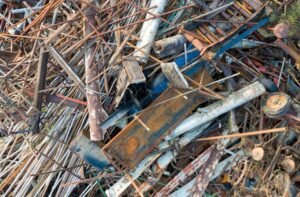
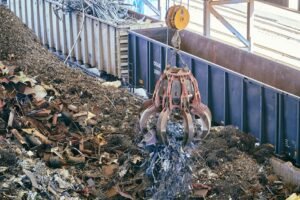
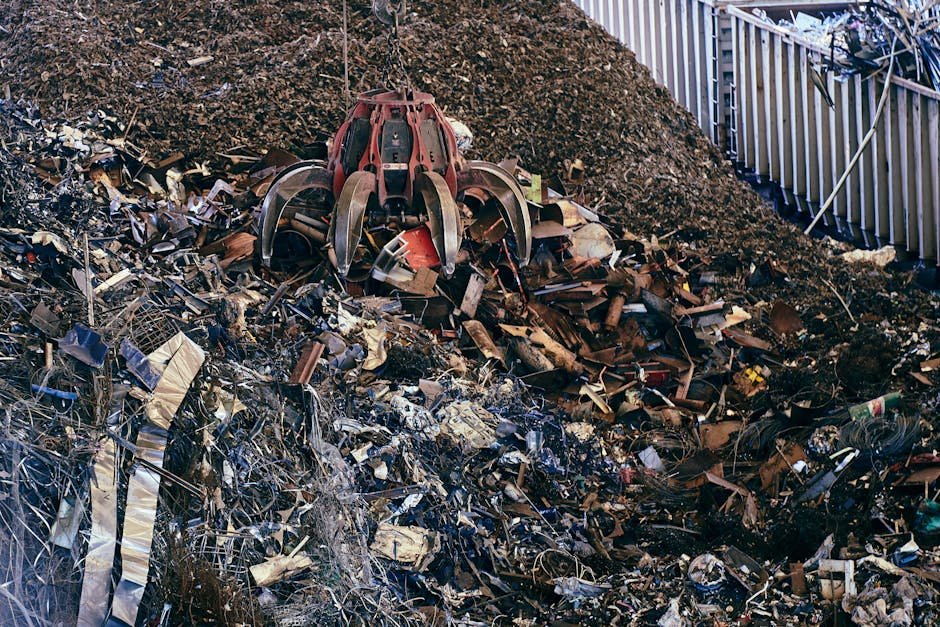
The journey from a discarded piece of metal to a new product is a multi-stage process. First, the material is collected and transported to a yard. Here, it undergoes a rigorous sorting process. Advanced technology, such as X-ray fluorescence (XRF) analyzers, is used to determine the exact alloy composition. Once sorted, the metal is cleaned of contaminants like plastic, rubber, or oil. If the metal is bulky, it is shredded or sheared to increase its density, making it easier to transport and melt.
For those located in specific industrial hubs, specialized services like scrap metal greenacre provide the necessary infrastructure to handle large-scale commercial volumes. Once the metal is processed into clean, uniform scrap, it is shipped to smelters where it is melted down, cast into ingots, and sold back to manufacturers. This closed-loop system is why turners scrap metal and similar professional recycling entities are so critical to the Australian manufacturing sector.
Environmental Benefits of Metal Recycling
The environmental case for recycling is overwhelming. Extracting virgin ore from the earth is an incredibly energy-intensive process that leaves massive carbon footprints and causes significant habitat destruction. Recycling aluminium, for example, uses 95% less energy than producing it from bauxite ore. By recycling steel, we reduce water consumption by 40% and air pollution by 86% compared to primary production.
Furthermore, metal is infinitely recyclable. Unlike plastics, which degrade in quality each time they are processed, metal can be melted down and reformed indefinitely without losing its structural integrity. This makes it one of the most sustainable materials on the planet. When you engage with a professional scrap metal trading platform, you are directly contributing to a reduction in greenhouse gas emissions and the preservation of finite natural resources.
Practical Tips for Maximizing Your Scrap Value
If you want to get the best return, preparation is key. First, separate your metals. A mixed load of copper and steel will be priced at the lowest common denominator. Clean your scrap; removing non-metallic attachments like plastic handles or glass will increase the purity of your load. Second, keep an eye on market trends. Selling when demand is high can significantly increase your profit margins.
If you are planning your next trip to the yard, it is helpful to Sell Scrap Metal Near Me In 2026 by scouting locations that offer transparent weighing and payment processes. Always ensure that the yard you choose is compliant with environmental laws and provides clear documentation for your records. For those seeking specific expert advice, connecting with a wise scrap metal partner can help you streamline your collection and disposal logistics.
The Future of the Industry: Technology and Sustainability
The future of scrap metal recycling is digital. As the industry moves toward Industry 4.0, we are seeing the integration of blockchain for material tracking, AI-driven sorting robots, and real-time pricing platforms. These advancements help bridge the gap between small-scale collectors and large-scale industrial consumers. By using a professional Australian scrap metal trading network, you gain access to a transparent marketplace that rewards efficiency and sustainability.
We are also seeing a shift toward ‘urban mining’—the process of recovering valuable metals from e-waste, such as circuit boards and old mobile phones. As technology becomes more complex, the concentration of precious metals like gold, silver, and palladium in our waste stream is increasing. The ability to recover these materials efficiently will define the next generation of scrap metal leadership.
Why Compliance Matters in Scrap Metal
Operating within the law is not just about avoiding fines; it is about protecting the industry’s reputation. Illegal dumping or the processing of stolen goods undermines the entire recycling ecosystem. Legitimate scrap metal operators in Australia are subject to strict licensing requirements. They must maintain detailed records of transactions and verify the identity of sellers. This transparency is what builds trust in the market and ensures that the metal flowing through the system is ethically sourced.
When you choose to work with certified professionals, you are ensuring that your waste is handled with the highest environmental standards. This includes the safe disposal of hazardous materials like lead-acid batteries or mercury-containing components, which are often found in scrap loads. Always prioritize safety and environmental compliance over a quick, undocumented cash payment.
Conclusion: Taking Action Today
The scrap metal industry is a vital cog in the machine of global sustainability. By understanding the grades, the processes, and the environmental impact of your scrap, you become an active participant in a circular economy that values resource efficiency. Whether you are a small business owner or a home renovator, your choices in how you dispose of metal matter.
Start by auditing your waste streams, separating your metals, and connecting with reputable local partners. The infrastructure exists to turn your waste into a valuable commodity, provided you have the knowledge to navigate it correctly. Keep updated with current pricing, maintain your equipment, and always look for ways to optimize your recycling logistics. By doing so, you are not just clearing space—you are helping to build a more sustainable future for Australia.
Frequently Asked Questions
What is the difference between ferrous and non-ferrous scrap?
Ferrous metals contain iron and are magnetic, such as steel and iron. Non-ferrous metals, including copper, aluminium, and brass, do not contain iron and are typically more valuable due to their resistance to corrosion and infinite recyclability.
How can I get the best price for my scrap metal?
The best way to maximize your return is to sort your metals by type and remove any non-metallic contaminants like plastic, wood, or glass. Keeping your high-value non-ferrous metals separate from bulk steel ensures you are paid the correct grade price.
Why is it important to use a licensed scrap metal dealer?
Licensed dealers are required to follow strict environmental and legal regulations, including proper record-keeping and hazardous waste disposal. Using a licensed dealer ensures your scrap is processed ethically and that you are protected by industry standards.
Does metal lose its quality when it is recycled?
No, metals like aluminium and copper can be recycled indefinitely without losing their structural integrity or chemical properties. This makes metal one of the most sustainable and efficient materials to recycle in the global economy.