
What Is Scrap Metal Collection?
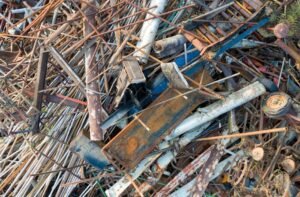
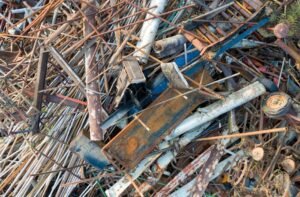
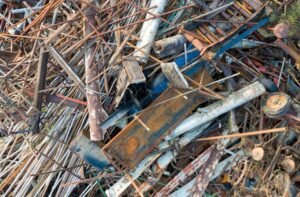
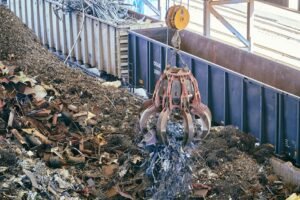
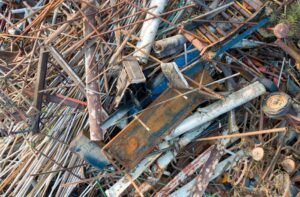
Scrap metal collection is the systematic process of gathering discarded metal items from homes, businesses, and industrial sites. The goal is to gather valuable materials, separate them by type, and hand them over to recycling facilities where they are melted down and re‑made into new products. This process not only reduces waste but also conserves natural resources and cuts greenhouse gas emissions.
In Australia, the scrap metal market is robust, with a wide array of metals such as aluminium, copper, steel, brass, and precious metals like gold and silver. Effective scrap metal collection requires knowledge of local regulations, market prices, and the logistics of transporting heavy loads.
Our Scrap Metal Collection page offers a deeper dive into the fundamentals, including how to get started, the tools you need, and the legal framework that governs this industry.
The Lifecycle of Scrap Metal: From Collection to Recycling
Understanding the lifecycle of scrap metal is essential for anyone involved in scrap metal collection. The journey typically follows these stages:
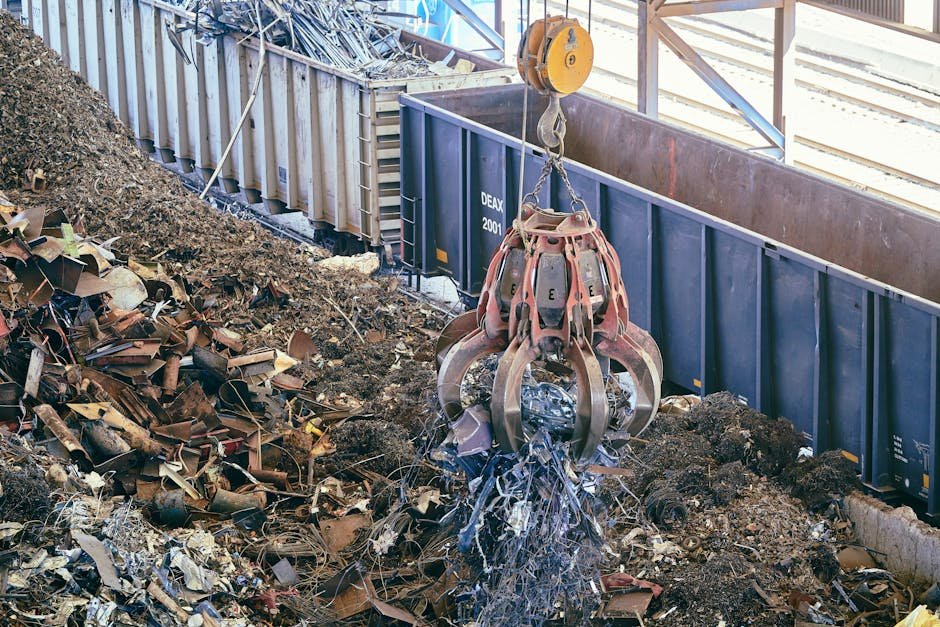
- Collection: Gathering discarded metal from various sources. This can be done manually or through bulk pickups.
- Sorting: Separating metals by type, grade, and purity. Accurate sorting increases the value of the scrap and ensures compliance with recycling standards.
- Transportation: Moving the sorted scrap to recycling facilities or scrap yards. Efficient logistics reduce fuel consumption and carbon emissions.
- Processing: At the recycling plant, scrap is melted, refined, and cast into new shapes. Advanced technologies like induction furnaces and electrolysis are employed to produce high‑quality recycled metal.
- Re‑use: The recycled metal is sold to manufacturers who incorporate it into new products, closing the loop.
Each stage presents opportunities for optimisation. For example, investing in a high‑capacity shredder can streamline the sorting process, while partnering with reliable Scrap Metal Recycling Near Me facilities ensures consistent quality.
Key Grades of Scrap Metal and Their Market Value
Scrap metal is categorized into grades based on its composition, purity, and physical condition. The most common grades include:
- Aluminium (Al) 1000–3000: High‑purity aluminium used in automotive and packaging. Prices fluctuate with global aluminium demand.
- Copper (Cu) 1000–2000: Copper is highly valuable due to its conductivity and resistance to corrosion.
- Steel (St) 1000–3000: Mild steel, stainless steel, and high‑strength steel are all in demand for construction and manufacturing.
- Brass (Br) 1000–2000: Brass is prized for its malleability and decorative uses.
- Precious metals (Au, Ag, Pd): These are extracted from electronic waste and jewelry, often commanding premium prices.
Prices vary daily, so staying informed through local market reports is crucial. The Sell Scrap Metal Near Me In 2026 page provides up‑to‑date pricing data and tips for negotiating with buyers.
How to Prepare and Sort Your Scrap for Maximum Returns
Preparing scrap metal for collection involves several best practices:
- Clean the metal: Remove paint, coatings, and non‑metal contaminants. Clean metal fetches higher prices.
- Separate by grade: Use magnetic separators for ferrous metals and eddy‑current separators for non‑ferrous metals. Accurate separation reduces rework.
- Bundle and label: Group similar metals together and label each bundle with its grade and weight. Clear labeling speeds the weighing and payment process.
- Check for hazardous materials: Ensure that no hazardous substances, such as batteries or chemicals, are mixed with the scrap. Many recyclers have strict safety protocols.
These steps not only increase the value of your scrap but also improve the efficiency of the entire collection operation. For more detailed guidance, refer to our scrap metal buyers near me resource, which lists reputable buyers and their requirements.
Environmental Benefits of Scrap Metal Recycling
Recycling scrap metal offers significant environmental advantages:
- Energy savings: Recycling aluminium saves up to 95% of the energy required to produce new aluminium from bauxite. Steel recycling saves 60% of the energy needed for new steel.
- Reduced greenhouse gas emissions: By cutting energy consumption, recycling lowers CO₂ emissions by approximately 30–50% compared to virgin production.
- Lower landfill use: Diverting scrap from landfills reduces landfill space usage and mitigates methane production.
- Conservation of raw materials: Recycling reduces the need for mining and extraction, preserving ecosystems and biodiversity.
In Australia, the recycling sector contributes to the national goal of 50% recycling by 2030. Engaging in efficient scrap metal collection helps achieve these targets while supporting local economies.
Choosing the Right Scrap Metal Buyers and Yards in Australia
Australia hosts a diverse network of scrap metal yards and buyers. Selecting the right partner is critical for a successful operation:
- Reputation: Look for yards with positive reviews and a history of fair pricing.
- Location: Proximity reduces transportation costs and time.
- Payment terms: Favor buyers who offer prompt payment and transparent invoicing.
- Volume capacity: Ensure the yard can handle the quantity you intend to deliver.
Our scrap metal yards page lists top facilities across major Australian cities, complete with contact details and operating hours.
Practical Tips for a Successful Scrap Metal Collection Operation
Running a profitable scrap metal collection business requires strategic planning and operational excellence. Here are key tips:
- Invest in the right equipment: A robust forklift, conveyor belt, and shredding machine streamline handling.
- Build a reliable logistics network: Partner with local transport firms that specialize in heavy loads.
- Implement quality control: Regularly audit the sorting process to maintain high purity levels.
- Stay compliant: Keep up with Australian environmental regulations and licensing requirements.
- Market your services: Use online platforms and local advertising to attract both residential and industrial clients.
- Offer value‑added services: Provide on‑site shredding, container delivery, or pickup scheduling to differentiate your business.
For an overview of the Australian scrap metal market, visit our comprehensive resource hub and explore our Australian operations for localized insights.
Conclusion
Scrap metal collection is more than a waste removal activity; it is a vital component of the circular economy that delivers economic, environmental, and social benefits. By mastering the grades, understanding the recycling process, and partnering with reputable buyers and yards, you can unlock significant value from discarded metal. Embrace best practices, stay informed about market trends, and contribute to a cleaner, more sustainable future.
Frequently Asked Questions
- What types of metal are most valuable for scrap collection? Copper, aluminium, and steel are consistently high in demand, with precious metals like gold and silver also fetching premium prices.
- Do I need a license to operate a scrap metal collection business in Australia? Yes, businesses must register with the Australian Government and comply with local environmental and safety regulations.
- How can I ensure my scrap is properly sorted? Use magnetic separators for ferrous metals and eddy‑current separators for non‑ferrous metals, and always label bundles by grade.
- What environmental benefits does scrap metal recycling provide? It saves energy, reduces greenhouse gas emissions, conserves natural resources, and decreases landfill usage.
Frequently Asked Questions
What types of metal are most valuable for scrap collection?
Copper, aluminium, and steel are consistently high in demand, with precious metals like gold and silver also fetching premium prices.
Do I need a license to operate a scrap metal collection business in Australia?
Yes, businesses must register with the Australian Government and comply with local environmental and safety regulations.
How can I ensure my scrap is properly sorted?
Use magnetic separators for ferrous metals and eddy‑current separators for non‑ferrous metals, and always label bundles by grade.
What environmental benefits does scrap metal recycling provide?
It saves energy, reduces greenhouse gas emissions, conserves natural resources, and decreases landfill usage.