
Navigating the complex landscape of the recycling market requires a deep understanding of global supply chains, local regulatory frameworks, and the fluctuating value of ferrous and non-ferrous metals. As Australia transitions toward a more circular economy, the efficiency of resource recovery has become a primary economic driver for both industrial giants and individual scrap collectors. Whether you are an industrial manufacturer looking to offload production waste or a local collector seeking the best prices, understanding how the metal recycling market functions is essential for maximizing returns and ensuring environmental compliance.
The Evolution of the Australian Recycling Market
The Australian recycling market has undergone a paradigm shift over the last decade. Historically, the industry relied heavily on the export of raw scrap to international markets, particularly in Asia. However, with the implementation of the National Waste Policy and the ban on the export of unprocessed waste, the focus has shifted toward domestic value-add processing. This transition has incentivized the development of advanced sorting technologies and high-grade smelting facilities within Australian borders.
For stakeholders, this means that the value chain is becoming more localized. Investors and businesses are now looking at the recycling markets not just as a waste management necessity, but as a strategic source of raw materials. By keeping metal in the domestic loop, Australia reduces its reliance on imported virgin ores, which are carbon-intensive to mine and refine. The integration of digital platforms like Scrap Trade has further democratized this process, allowing for real-time price discovery and transparency that was previously unavailable to smaller players.
Categorizing Scrap: Ferrous vs. Non-Ferrous
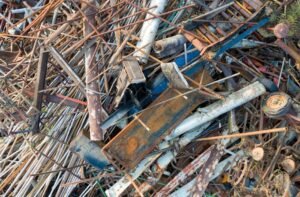
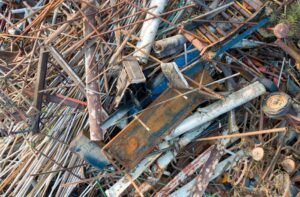
To succeed in the industry, one must distinguish between the two primary categories of metal. Ferrous metals, such as iron and steel, are magnetic and form the backbone of the construction and automotive sectors. Because they are produced in such high volumes, their price per tonne is generally lower than non-ferrous metals, but they remain the most recycled materials by weight. If you are looking to dispose of large quantities of steel, finding a reliable Scrap Metal Recycling Near Me provider is the first step toward efficient logistics.
Non-ferrous metals—including copper, aluminium, brass, and lead—are non-magnetic and significantly more valuable. Copper, in particular, is a bellwether for the global economy. Its conductivity makes it indispensable for the burgeoning renewable energy sector, including electric vehicles and solar infrastructure. Because these materials are finite and energy-intensive to extract, the recycling of non-ferrous scrap is highly incentivized. Collectors who properly sort their non-ferrous materials before visiting a facility will always command a premium price compared to those who bring mixed, contaminated loads.
Logistics and Finding Reliable Facilities
Logistics often account for the largest cost in the scrap metal lifecycle. The distance between the source of the scrap and the processing facility can erode profit margins if not managed correctly. This is why many businesses and individuals prioritize searching for Metal Recycling Near Me to minimize transportation emissions and fuel costs. Beyond proximity, it is vital to verify that the facility is licensed and adheres to the latest environmental standards set by the Environmental Protection Authority (EPA) in your specific state.
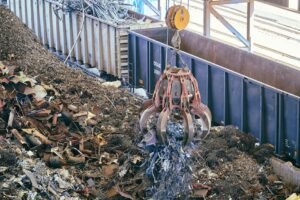
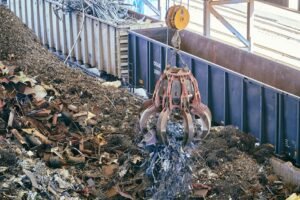
When selecting a partner, consider their processing capabilities. Do they have the equipment to shear, shred, and bail materials? Facilities with advanced shredding capabilities can process complex items like end-of-life vehicles (ELVs) and whitegoods, extracting valuable components that smaller yards might miss. Furthermore, reputable yards are often active members of the local Recycling Community, which ensures they stay updated on the latest industry best practices and safety regulations. For those operating across state lines or looking for national coverage, Scrap Trade Australia provides a comprehensive directory to help you connect with certified processors.
The Role of Technology in Market Efficiency
The modern recycling market is increasingly data-driven. Gone are the days of guessing the value of a load based on manual estimation. Today, X-ray fluorescence (XRF) analyzers allow facilities to determine the exact chemical composition of a metal alloy in seconds. This level of precision ensures that high-value alloys are not downgraded to generic scrap prices, benefiting both the seller and the recycler.
Furthermore, digital marketplaces are solving the “information asymmetry” problem. By providing live price updates and demand signals, these platforms allow suppliers to time their sales to coincide with market peaks. This is particularly important for industrial manufacturers who generate consistent scrap volumes. By leveraging analytics, these companies can optimize their waste management budgets and turn what was once an operational cost into a predictable revenue stream.
Environmental Impact and Circular Economy
Recycling is the cornerstone of the circular economy. Every tonne of recycled aluminium saves approximately 95% of the energy required to produce the same amount of metal from bauxite ore. Similarly, recycling steel saves about 75% of the energy needed for virgin production. These metrics are becoming increasingly important as Australian companies face pressure to report on their Scope 3 emissions. By diverting scrap from landfills and feeding it back into the production cycle, businesses can significantly improve their ESG (Environmental, Social, and Governance) ratings.
Beyond energy savings, the recycling industry is a major job creator. From yard workers and logistics drivers to chemical engineers and data analysts, the sector provides diverse employment opportunities. As the industry matures, we are seeing a shift toward ‘urban mining,’ where the focus is on extracting precious metals from electronic waste (e-waste). This specialized branch of the industry requires sophisticated technology to separate gold, silver, and rare earth elements from circuit boards, highlighting the high-tech future of the recycling sector.
Best Practices for Maximizing Scrap Value
To get the most out of your scrap, preparation is key. First, always clean your scrap. Removing non-metallic attachments like plastic, wood, or glass increases the purity of your load, which is the primary factor in determining price. Second, keep your metals separated. Mixing copper with steel, for example, will result in the entire load being downgraded to the lower-value material. Third, keep an eye on market trends. Commodity prices for metals are influenced by global events, such as infrastructure spending in China or supply chain disruptions in South America.
Additionally, build a long-term relationship with your chosen recycler. Consistent suppliers who provide clean, sorted loads are often given preferential treatment, including better pricing tiers and priority access during busy periods. If you are a large-scale producer, inquire about dedicated bin services. Having a dedicated skip bin on-site not only improves workplace safety by keeping the floor clear of clutter, but it also streamlines the collection process, allowing for scheduled pickups that align with your production cycles.
Future Outlook: Challenges and Opportunities
The future of the Australian recycling industry is bright but faces challenges. One of the primary hurdles is the ‘contamination’ of waste streams. As products become more complex, separating different materials becomes harder. Design for recyclability is an emerging trend where manufacturers are encouraged to design products that can be easily disassembled at the end of their life. This ‘cradle-to-cradle’ approach will be vital for the industry’s long-term sustainability.
Another opportunity lies in the automation of sorting. Artificial intelligence and robotics are being deployed to identify and sort scrap with superhuman speed and accuracy. This reduces the reliance on manual labour for dangerous tasks and increases the purity of the end product. As these technologies become more affordable, we expect to see a surge in the quality of recycled materials produced in Australia, further strengthening our position in the global supply chain.
Conclusion
The Australian recycling industry is a dynamic and essential component of the national economy. By understanding the nuances of the market, leveraging technology, and adhering to best practices, individuals and businesses can contribute to a more sustainable future while maximizing the financial value of their scrap. Whether you are a small-scale collector or a large industrial entity, the key to success lies in education, proper sorting, and partnering with the right facilities. As we continue to refine our processes and embrace innovation, the recycling sector will remain a critical pillar of Australia’s industrial landscape, proving that one person’s waste is truly another’s resource.
Frequently Asked Questions
What is the most valuable metal to recycle?
Copper is generally the most valuable non-ferrous metal due to its high demand in electrical and renewable energy applications. Other precious metals like gold and silver, often found in e-waste, also command very high prices per kilogram.
How can I find the best scrap prices in my area?
You can find the best prices by comparing quotes from multiple local yards and using online platforms that provide real-time market data. Always ensure your scrap is clean and sorted, as purity significantly impacts the price you will receive.
Why is it important to separate ferrous and non-ferrous metals?
Separating these metals is crucial because they are processed through different recycling streams and have vastly different market values. Mixing them leads to contamination, which usually results in the entire load being valued at the price of the cheapest metal.
Does the recycling market fluctuate often?
Yes, the recycling market is highly volatile and is influenced by global supply and demand, currency exchange rates, and international trade policies. Staying informed through industry news and tracking commodity indices can help you decide the best time to sell your scrap.