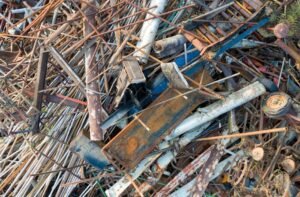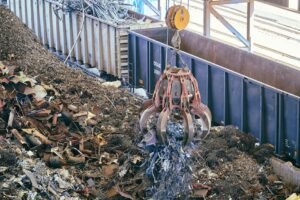

Navigating a metal junkyard in the modern era is a far cry from the disorganized piles of rusted iron depicted in old films. Today, these facilities operate as high-tech recycling hubs that prioritize environmental safety, material recovery, and efficiency. Whether you are a tradesperson looking to offload demolition waste or a homeowner clearing out a garage, understanding how these facilities function is key to getting the best value for your materials. When searching for a Metal Recycling Near Me, you are essentially looking for a partner in the circular economy who can help divert waste from landfills while putting cash back in your pocket.
The Evolution of the Modern Metal Junkyard
The traditional concept of a metal junkyard has evolved into the sophisticated scrap metal trading platform we see today. In Australia, the industry has shifted toward strict environmental compliance and advanced sorting technologies. A modern facility does not simply pile metal; it categorizes it by alloy, grade, and purity. This precision is what allows the industry to maintain competitive Metal Prices, as high-purity scrap is infinitely more valuable to smelters than mixed, contaminated waste.
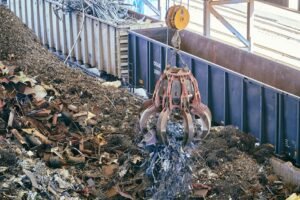
When you visit a professional site, you will notice the difference in infrastructure. From heavy-duty industrial scales to hydraulic shears and balers, the equipment used is designed to process massive volumes of material quickly. This efficiency is why it is so important for those looking to Sell Scrap Metal Near Me In 2026 to prepare their materials correctly. By cleaning your scrap—removing non-metallic attachments like plastic or wood—you increase the recovery rate and ensure that you are paid for the actual weight of the metal rather than the weight of contaminants.
Understanding Scrap Metal Categories
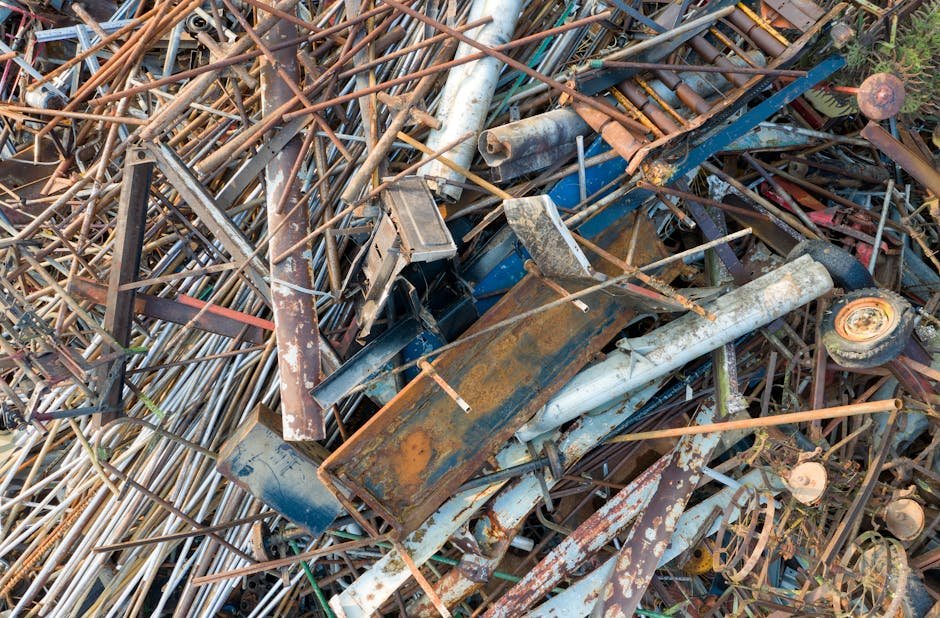
To succeed as a recycler, you must distinguish between ferrous and non-ferrous metals. A metal junkyard will typically process both, but they are handled through entirely different supply chains. Ferrous metals contain iron and are magnetic, such as steel and iron. These are often found in construction beams, vehicle chassis, and old appliances. Because they are abundant, they are usually bought in bulk.
Non-ferrous metals are far more valuable and include copper, aluminium, brass, lead, and stainless steel. Copper, in particular, is a high-demand commodity. Whether you are dealing with plumbing pipes, electrical wiring, or roofing materials, knowing how to identify and separate these metals is the fastest way to increase your returns. If you are struggling to identify your scrap, a reputable Australian metal trading network can provide guidance on grading and sorting. Always remember that a metal recycler near me will offer significantly better rates for clean, separated loads than for mixed, dirty scrap.
The Role of Metal Scrappers and Collectors
The backbone of the recycling industry is the network of metal scrappers who act as the primary collectors. These individuals and small businesses perform the essential task of gathering scrap from remote sites, residential cleanups, and industrial projects. By acting as the bridge between the source of the waste and the recycling depot, they ensure that valuable materials are recovered rather than discarded.
If you are looking to become a regular contributor to the scrap trade, it is important to build a relationship with a local yard. Consistent suppliers are often treated with priority service and may receive updates on market fluctuations. Many yards offer a walk-in service, allowing you to drop off materials during business hours without prior appointment. However, for large industrial loads, it is always best to call ahead to ensure the facility has the capacity to process your specific volume.
Environmental Impact and Sustainable Recycling
Recycling metal is one of the most effective ways to reduce carbon emissions. Mining raw ore is an energy-intensive process that destroys habitats and consumes vast amounts of water. By contrast, processing scrap metal requires a fraction of the energy. When you bring your materials to a recycling depot, you are directly contributing to a reduction in the demand for virgin material extraction.
Modern recycling facilities in Australia are subject to rigorous environmental regulations. They are designed to prevent hazardous materials like lead-acid batteries, mercury-containing switches, or oil-contaminated parts from entering the soil or water table. As a consumer, you play a part in this by ensuring your scrap is free from hazardous contaminants. A responsible metal scrappers community understands that the longevity of the industry depends on maintaining these high environmental standards.
Maximizing Your Returns: Practical Tips
Getting the best price for your scrap requires a strategic approach. First, never underestimate the power of organization. If you arrive with a truck full of mixed steel, copper, and aluminium, the yard staff will likely grade it at the lowest common denominator—the price of mixed steel. By taking the time to separate your loads into bins or bags, you ensure that you receive the top-tier price for each specific metal type.
Second, timing is everything. While you cannot control global commodity markets, you can keep an eye on trends. If you have a large amount of copper or brass, it may pay to hold onto it until prices hit a peak. Third, prioritize safety. Always wear gloves, sturdy boots, and high-visibility clothing when visiting a yard. These are heavy industrial environments, and safety is the number one priority for both the staff and the visitors.
The Future of Metal Trading in 2026 and Beyond
As we look toward 2026, the integration of digital tools in the scrap industry is accelerating. We are seeing the rise of real-time pricing dashboards, mobile apps that help with material identification, and streamlined payment systems that make the process of selling scrap faster and more transparent. The days of guessing what your scrap is worth are coming to an end. With better data, the entire supply chain becomes more efficient.
Furthermore, the push for a circular economy means that the demand for high-quality recycled metal is only going to grow. Manufacturers are increasingly looking for “green steel” and recycled aluminium to meet their own sustainability targets. This puts the power in the hands of the scrap collector. By continuing to supply clean, high-quality material to the recycling ecosystem, you are not just making money—you are supporting a global transition toward a more sustainable future.
Navigating the Walk-in Experience
For the average person, the walk-in experience at a scrap yard can be intimidating. However, most yards are eager to work with the public. When you arrive, you will typically drive onto a large weighbridge. You will then be directed to the unloading area. Once your material is weighed and sorted, you will receive a docket. This process is designed to be quick and fair.
If you are new to this, don’t be afraid to ask questions. The staff at a metal recycler are usually experts in their field and can tell you exactly what is needed to get a better price. For example, they might suggest stripping the insulation off copper wire or separating cast aluminium from extruded aluminium. These small steps can mean a significant difference in the total payout at the end of the day. Remember, the goal of the yard is to process as much material as possible, so they have every incentive to help you become a better, more efficient recycler.
Conclusion
The modern metal junkyard is an essential component of Australia’s infrastructure. By choosing to recycle your metal, you are participating in a global movement that values resource conservation and economic efficiency. Whether you are a professional tradesperson or a casual recycler, the principles remain the same: sort your materials, prioritize safety, and keep an eye on market values. By utilizing the resources available at your local recycling depot, you ensure that your waste finds a new life in the manufacturing sector, keeping our environment cleaner and our economy stronger. Start your journey into the world of metal recycling today by connecting with reputable local facilities and staying informed on the latest industry standards.
Frequently Asked Questions
What items are typically accepted at a metal junkyard?
Most yards accept ferrous metals like steel and iron, as well as non-ferrous metals such as copper, aluminium, brass, and stainless steel. Some facilities also accept appliances, car parts, and electrical wiring, though it is best to call ahead regarding specific hazardous items like batteries.
How can I get the best price for my scrap metal?
The best way to maximize your return is to separate your metals by type and grade. Clean your scrap by removing non-metallic contaminants like plastic, wood, or rubber, and keep an eye on market price fluctuations for the specific metals you are selling.
Do I need an appointment to visit a scrap metal recycler?
Most scrap yards offer a walk-in service for individuals and smaller loads during standard business hours. However, if you are planning to deliver a large industrial quantity or require a bin pickup, it is highly recommended to call in advance to coordinate logistics.
Why is it important to separate my scrap metal?
Separating your metal ensures that you are paid the correct market rate for each specific material. If you bring in mixed loads, the yard will often pay the lowest rate applicable to the least valuable item in the pile, resulting in lower overall earnings for you.