
Navigating the recycled scrap metal market in Australia requires a solid understanding of how commodities move from waste streams back into the global supply chain. Whether you are a trade professional, a demolition contractor, or a household looking to clear out clutter, the process of turning scrap into value is a cornerstone of the circular economy. By participating in this industry, you are not just clearing space; you are actively contributing to a more sustainable future by reducing the energy intensity of metal production.
The Mechanics of the Recycled Scrap Metal Market
The recycled scrap metal market functions as a vital link between the end-of-life stage of products and the manufacturing sector. When metal reaches the end of its functional life—be it an old appliance, a decommissioned vehicle, or industrial structural steel—it enters the recycling stream. This market is highly dynamic, influenced by global demand for raw materials, currency fluctuations, and the cost of energy. Understanding the scrap metal recycling market is essential for anyone looking to maximize the return on their materials.
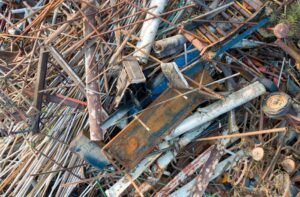
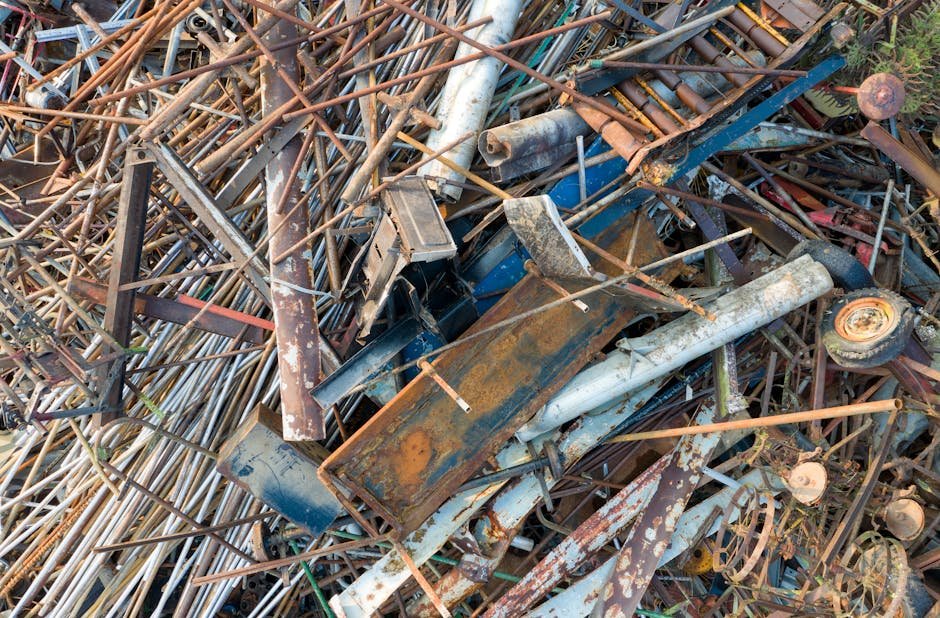
The process begins with the identification and segregation of metals. Metals are generally categorized into two main streams: ferrous and non-ferrous. Ferrous metals, such as iron and steel, contain iron and are magnetic, while non-ferrous metals, such as copper, aluminium, brass, and lead, are highly prized for their durability and lack of magnetic properties. At a professional Scrap Metal Recycling Near Me facility, advanced machinery like eddy current separators and sensor-based sorting systems are used to ensure high purity levels in the recycled product.
The Recycling Process: From Waste to Resource
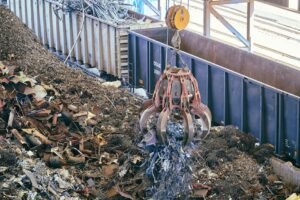
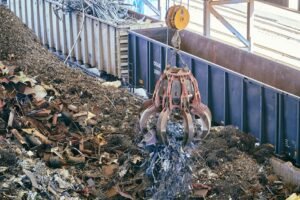
The journey of a piece of scrap metal is a sophisticated industrial process. Once collected, the material is weighed and inspected. Sorting is the most critical stage; contaminants like plastic, rubber, or glass must be removed to ensure the quality of the final melt. Shredding follows, where large items are reduced to smaller fragments, increasing the surface area and making it easier to separate ferrous from non-ferrous materials using magnetic belts and air classifiers.
After sorting, the metal is processed into ‘bale’ or ‘ingot’ form. These are then transported to smelters or foundries. The environmental benefit of this process is staggering. For instance, recycling aluminium saves approximately 95% of the energy required to produce primary aluminium from bauxite ore. This massive reduction in energy consumption directly correlates to a lower carbon footprint for the entire manufacturing sector. For those looking to sale metal scrap, understanding these technical stages helps in preparing your materials to fetch the best possible rates.
Drop-off vs. Pickup Service: Choosing the Right Method
Deciding how to move your scrap depends on the volume and nature of the material. A Sell Scrap Metal Near Me In 2026 strategy often starts with evaluating whether you need a dedicated professional scrap metal collection service or if a DIY approach is more cost-effective.
- Drop-off: This is ideal for smaller quantities, household items, or specific high-value non-ferrous metals like copper wiring or brass fittings. It allows you to visit a local recycling centre, have your material weighed on certified scales, and receive immediate payment.
- Pickup Service: For industrial, commercial, or large-scale demolition projects, a professional pickup service is essential. These services often provide skip bins or hook-lift containers, allowing for efficient site management. This not only keeps your worksite compliant with safety regulations but also ensures that heavy materials are handled by professionals with the right logistics equipment.
When choosing between these methods, consider the time and transport costs involved. For high-volume generators, the convenience of a scheduled pickup often outweighs the minor cost of the service, as it prevents site downtime and improves overall project safety.
Understanding Metal Grades and Valuation
Not all scrap is created equal. The valuation in the recycled scrap metal market is determined by the grade of the metal and the current market conditions. Keeping track of Scrap Metal Prices is crucial for anyone involved in the trade. Grades are determined by purity, size, and the absence of contaminants.
For example, ‘Bright Shiny Copper’ is the highest grade of copper scrap because it is clean, unalloyed, and free of insulation. Conversely, copper with plastic coating or solder joints is classified as a lower grade because it requires additional processing to remove the impurities. Similarly, in the ferrous market, ‘Heavy Melting Steel’ (HMS) is highly sought after by mills, while ‘Light Iron’ or ‘Whitegoods’ (which may contain motors or compressors) requires more intensive processing. By keeping your materials sorted and clean, you significantly increase their value.
The Environmental Impact and Carbon Footprint
The primary driver for the modern recycling industry is the significant environmental benefit of utilizing secondary raw materials. Mining virgin ore is an energy-intensive and environmentally destructive process that involves massive land clearing, habitat destruction, and significant water usage. By contrast, the recycling industry is a closed-loop system.
Every tonne of steel recycled saves over 1,100 kilograms of iron ore, 630 kilograms of coal, and 55 kilograms of limestone. This directly translates to a massive reduction in the industrial carbon footprint. As Australia moves toward net-zero targets, the role of scrap metal recycling becomes even more pivotal. By choosing to recycle, businesses and individuals are participating in a global effort to conserve natural resources and reduce the reliance on carbon-heavy primary production methods. You can learn more about these sustainability initiatives by visiting the leading scrap trading platform.
Practical Tips for Maximizing Scrap Value
To get the most out of your scrap, preparation is key. Here are some expert tips:
- Segregation is King: Never mix your metals. Keep copper separate from aluminium, and brass separate from steel. Mixed loads are often purchased at the ‘mixed scrap’ rate, which is usually the lowest price point.
- Remove Contaminants: If you have an old motor, remove the steel casing if possible. If you have copper wire, stripping the insulation can significantly increase the value, provided the time spent stripping doesn’t exceed the added value.
- Monitor Market Trends: Scrap prices fluctuate daily based on the London Metal Exchange (LME). Keep an eye on market reports to time your sales during peak pricing periods.
- Safety First: Scrap metal can be sharp and heavy. Always wear appropriate PPE, including gloves and steel-toed boots, when handling or transporting materials.
- Documentation: For large commercial loads, maintain accurate records of the weight and type of metal. This helps in tracking your environmental impact and provides data for your company’s sustainability reporting.
The Future of Metal Recycling in Australia
The Australian scrap industry is currently undergoing a digital transformation. With the rise of online platforms and improved logistics, the barrier to entry for recycling has never been lower. Technology is also improving the purity of recycled outputs, allowing recycled metals to be used in high-spec applications that were previously reserved for virgin metals. This shift is essential for the transition to a circular economy, where ‘waste’ is simply a resource that has not yet been processed.
Furthermore, government regulations regarding waste management are becoming stricter, placing a greater emphasis on resource recovery. This regulatory pressure is forcing industries to rethink their waste streams and prioritize recycling over landfill disposal. As a result, the infrastructure for recycling is expanding, making it easier than ever to find reputable recyclers and participate in the national recycling effort.
Conclusion: Your Role in the Circular Economy
The recycled scrap metal market is more than just a way to make extra money; it is a vital component of global environmental strategy. By choosing to recycle, you are reducing the demand for virgin mining, saving energy, and lowering the carbon footprint of the manufacturing industry. Whether you are a small-scale recycler or a large corporation, your actions contribute to a more sustainable and efficient future. By using professional services, keeping your materials clean, and staying informed about market prices, you can maximize the value of your scrap while making a positive impact on the planet.
Frequently Asked Questions
What is the most valuable scrap metal to recycle?
Non-ferrous metals like copper, brass, and aluminium are generally the most valuable. Among these, clean, bright copper wire typically commands the highest market price due to its purity and high demand in electrical manufacturing.
How do I know if my metal is ferrous or non-ferrous?
The easiest way to tell is by using a magnet. If the magnet sticks to the metal, it is ferrous (contains iron, like steel or iron). If the magnet does not stick, it is likely a non-ferrous metal such as copper, aluminium, or brass.
Does the condition of the scrap metal affect the price?
Yes, cleanliness and purity are major factors in pricing. Scrap that is contaminated with plastic, dirt, or other metals will be valued lower because it requires additional processing to refine.
Why should I choose a professional recycling service over a landfill?
Landfills are a waste of valuable resources and contribute to environmental degradation. Professional recycling centres ensure that materials are processed efficiently and returned to the manufacturing supply chain, providing significant environmental benefits.