
Understanding where to get scrap electronics is the first step toward building a profitable and sustainable recycling business in Australia. As the volume of e-waste continues to climb, the demand for reliable, high-grade scrap has never been higher, making it a critical sector for both environmental conservation and industrial resource recovery. Whether you are a small-scale collector or a large facility manager, knowing how to identify, source, and process these materials is vital for success. By leveraging a B2B Scrap Trading Platform, you can streamline your supply chain and connect with verified buyers across the country. This guide explores the entire lifecycle of electronic scrap, from acquisition to final refinery output.
Sourcing Channels: Where to Get Scrap Electronics
Identifying reliable supply chains is the most challenging aspect of the industry. Professionals often ask where to get scrap electronics in bulk, and the answer lies in professional partnerships. Corporate IT lifecycles are the primary driver; large enterprises replace hardware every three to five years, creating a steady stream of servers, workstations, and networking gear. You should target IT asset disposition (ITAD) companies, as they often have excess inventory that does not meet their refurbishment standards. Another avenue is municipal e-waste collection sites, which act as regional hubs for discarded consumer electronics. Partnering with Scrap Trade Australia can provide the necessary networking to tap into these municipal and commercial streams. Furthermore, industrial manufacturing plants often discard obsolete testing equipment and circuit boards that hold high gold and palladium content. By establishing direct contracts with these facilities, you bypass the middleman and increase your margins. Always remember that the quality of your scrap is directly proportional to the reliability of your source. Building a reputation as a transparent, environmentally compliant recycler will open doors to exclusive supply contracts that are otherwise inaccessible to casual collectors.
Understanding Electronic Scrap Grades
Not all e-waste is created equal, and understanding the grading system is essential for accurate valuation. High-grade scrap includes items with high concentrations of precious metals, such as CPU processors, RAM sticks with gold fingers, and server motherboards. Mid-grade scrap typically consists of desktop motherboards, power supplies, and telecommunications equipment, which contain a mix of copper, aluminum, and steel. Low-grade scrap includes hard drives, CD-ROMs, and consumer-grade plastic-heavy devices. To succeed, you must utilize the resources provided by the Scrap Trade Organisation to stay updated on current market valuations for these specific grades. For instance, gold-plated connectors are priced differently than high-density integrated circuits. You should also be aware of the ‘dirty’ scrap category, which includes items contaminated with excessive plastic, cabling, or non-recyclable materials that lower the overall yield. Proper sorting at the point of collection is the most effective way to maintain high margins. Using magnetic separators and manual dismantling techniques, you can isolate high-value components from the bulk mass, significantly increasing the profitability of every ton you process. When you master these grades, you transition from a simple collector to a specialized commodity trader.
The Recycling Process: From Waste to Resource
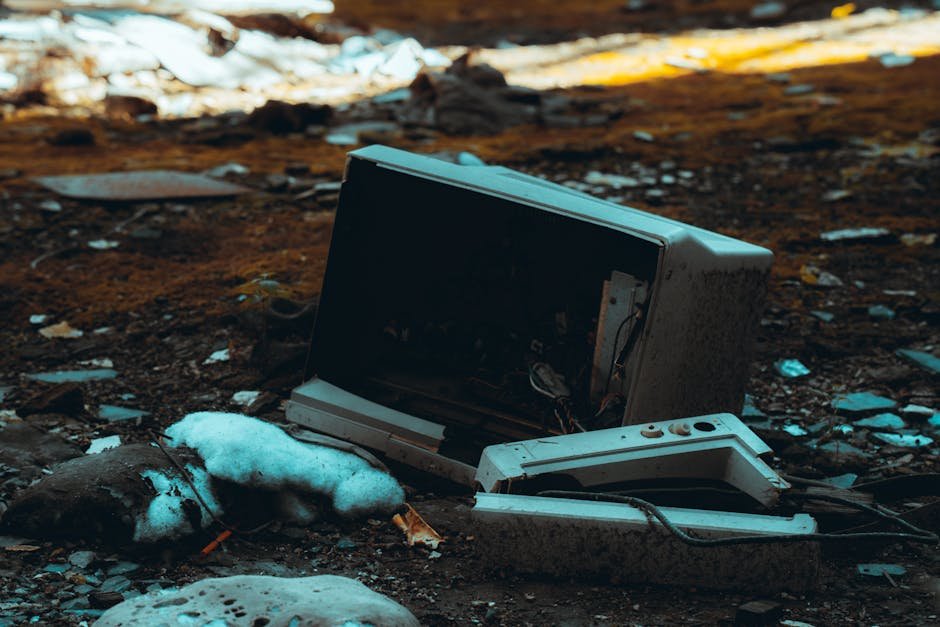
The recycling process is a sophisticated industrial operation designed to maximize recovery rates. Once you have sourced your material, the journey begins with manual dismantling to remove hazardous components like batteries, mercury switches, and cathode ray tubes (CRTs). These items require specialized handling to prevent environmental contamination. Following this, the remaining electronics undergo mechanical shredding. The resulting material—often called ‘shred’—is then separated using advanced technologies. Eddy current separators are used to isolate non-ferrous metals like aluminum and copper, while optical sorting machines identify and separate different types of plastics. For a deeper dive into the technicalities of these workflows, you can Get Scrap: Grades, Recycling Process & Environmental benefits information through our dedicated resource page. The final stage involves smelting and chemical refining. Precious metals like gold, silver, and palladium are extracted through pyrometallurgical or hydrometallurgical processes. This is where the true value of your scrap is realized. By understanding the chemical composition of your inventory, you can better negotiate with refineries and ensure you are receiving fair market value for the metal content contained within your e-waste.
Environmental Benefits and Regulatory Compliance
The environmental impact of recycling electronics cannot be overstated. Electronic waste contains hazardous substances like lead, cadmium, and brominated flame retardants that pose severe risks to soil and groundwater if left in landfills. By recycling, you prevent these toxins from entering the ecosystem while simultaneously reducing the need for destructive virgin mining. Mining for gold and copper is an energy-intensive process that leaves a massive carbon footprint; recycling these metals requires up to 90% less energy. In Australia, strict environmental regulations govern the handling and disposal of e-waste. Compliance is not optional; it is a business imperative. You must ensure that your operations adhere to state and federal waste management guidelines to avoid heavy penalties and maintain your social license to operate. Transparent reporting and audit trails are essential for demonstrating your commitment to sustainability. When you provide documentation that proves your scrap is being processed through legitimate, eco-friendly channels, you become a preferred partner for large-scale corporate clients who prioritize ESG (Environmental, Social, and Governance) goals. This competitive advantage is often the deciding factor in securing long-term supply contracts.
Scaling Your Operations for the Australian Market
To scale your business, you must move beyond manual methods and invest in efficient logistics. Australia’s geography presents unique challenges, with long distances between collection points and processing facilities. Optimizing your transport routes and utilizing regional consolidation hubs can drastically reduce overhead costs. Technology plays a massive role in this; inventory management software can track your scrap grades in real-time, allowing you to hold stock when prices are low and sell when the market peaks. Networking is equally important. Engaging with industry groups and attending trade events will keep you informed about shifts in commodity prices and new government incentives for green energy and circular economy initiatives. Remember that the market for scrap electronics is global. While you operate locally, your prices are dictated by international exchanges like the London Metal Exchange. Staying informed about global supply chain disruptions, such as shipping delays or geopolitical tensions in mining regions, will help you anticipate market shifts. By positioning yourself as an expert who understands not just where to get scrap electronics, but how to manage them throughout the entire value chain, you ensure the longevity and profitability of your enterprise.
Case Examples: Success in the E-Waste Sector
Consider the case of a mid-sized recycling firm in Victoria that shifted its focus from general scrap metal to high-grade electronic waste. By investing in a specialized circuit board shredder and building direct relationships with three major telecommunications providers, they increased their annual revenue by 40% within two years. They focused on high-density materials, specifically server racks and networking switches, which provided a consistent yield of gold and copper. Another example involves a regional collector who implemented a ‘buy-back’ program for local schools and small businesses. By providing a secure, certified destruction service for their old hard drives and confidential hardware, they secured a steady, high-quality supply of scrap that was previously being thrown into general waste. These examples highlight that success in this industry is about more than just finding scrap; it is about providing a service that solves a problem for the client. Whether it is secure data destruction or environmental compliance, your value proposition should be clear and professional. By consistently delivering on these promises, you build a brand that is synonymous with reliability and quality in the Australian scrap market.
Conclusion: The Future of E-Waste
The future of the scrap industry is inextricably linked to the circular economy. As consumers and businesses become more conscious of their environmental footprint, the pressure to recycle responsibly will only increase. By mastering the sourcing, grading, and processing of electronic scrap, you are positioning yourself at the forefront of a vital industry. The transition to a circular economy offers immense opportunities for those who are prepared to invest in infrastructure and knowledge. Start by auditing your current collection methods, refining your grading processes, and building the professional relationships necessary to scale. The path to profitability is built on precision, compliance, and a deep understanding of the global commodity markets. As you continue to grow, always prioritize the integrity of your supply chain and the sustainability of your practices. The demand for recovered materials will continue to rise, and with the right strategy, your business can become a cornerstone of the Australian recycling ecosystem. Stay informed, stay compliant, and keep pushing the boundaries of what is possible in the world of high-value electronic scrap recovery.
Related: Scrap Trade Australia
Frequently Asked Questions
What are the most valuable components in electronic scrap?
The most valuable components are typically gold-plated connectors, RAM sticks, CPU processors, and high-density server motherboards. These items contain significant amounts of precious metals like gold, silver, and palladium, which are highly sought after by refineries.
How do I ensure environmental compliance when handling e-waste?
You must adhere to state and federal waste management regulations, which include proper storage, transport, and disposal of hazardous components like batteries and CRTs. Maintaining detailed documentation and audit trails for all materials processed is essential for regulatory compliance.
Can I sell scrap electronics directly to a refinery?
While it is possible, most refineries require large, consistent volumes and specific purity levels that are difficult for smaller collectors to meet. It is usually more efficient to sell to a mid-tier processor or through a specialized trading platform until you have the scale to deal directly with refineries.
How does the price of scrap electronics fluctuate?
Scrap prices are heavily influenced by global commodity markets, particularly the London Metal Exchange. Factors such as supply chain disruptions, mining output, and global demand for precious metals directly impact the value of your inventory at any given time.