
The trade and recycling of worldwide scrap metals form a colossal, intricate global industry that is fundamental to modern manufacturing and environmental sustainability. This complex network moves millions of tonnes of material annually, from discarded vehicles and demolished buildings to industrial waste and everyday consumer products, and transforms it back into valuable raw materials. Understanding this ecosystem—from the precise grading systems that dictate value to the sophisticated processes that enable circularity—is crucial for anyone involved, from a individual looking to sell your scrap metals efficiently to large-scale industrial foundries. This authoritative guide will delve deep into the universe of scrap metals, providing a thorough examination of how materials are classified, how they are recycled on a global scale, and the undeniable positive impact this industry has on our planet.
The Global Landscape of Scrap Metal Trading
The market for worldwide scrap metal is a dynamic and essential component of the global economy. It is driven by fundamental economic principles of supply and demand, where regions with high manufacturing output but limited natural resources (such as China, India, and Turkey) become major importers, while developed nations with robust consumption and recycling infrastructures (like the United States, members of the European Union, and Australia) are leading exporters. This international trade is facilitated by a network of scrapyards, brokers, exporters, and smelters, all operating within a framework of international regulations and standards. The price of scrap is highly volatile, fluctuating daily based on commodities market prices for virgin metals, global shipping costs, trade policies, and geopolitical stability. For sellers, navigating this market requires knowledge and reliable partners; knowing How To Find Verified Scrap Buyers Worldwide is a critical first step to ensuring fair and secure transactions.
Understanding Scrap Metal Grades: The Language of Value
At the heart of the scrap industry is a rigorous grading system. This system is the universal language that dictates the value and intended use of every piece of scrap. Grades are determined by the metal’s type, alloy composition, cleanliness, thickness, and origin. Higher grades command significantly higher prices because they are cleaner, require less processing, and yield a higher percentage of pure metal.
Ferrous Metals (Iron and Steel)
Ferrous scrap, primarily consisting of iron and steel, is the most recycled material by volume on Earth. Its magnetic properties make it easy to separate from other waste streams.
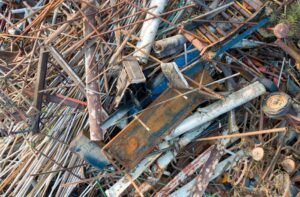
- #1 Heavy Melting Steel (HMS 1): Consists of wrought iron and/or steel pieces not less than 1/4 inch thick. This includes structural sections like beams, channels, and clean machinery parts. It must be free of coated, lined, or burnt steel.
- #2 Heavy Melting Steel (HMS 2): Includes all scrap steel and wrought iron between 1/8 inch and 1/4 inch thick. This grade can include old car bodies, sheet metal, and non-coated scrap.
- Shredded Scrap: Produced by feeding junked automobiles and loose light iron through a powerful shredder. The resulting product is fist-sized and homogeneous, making it ideal for feeding into electric arc furnaces (EAFs).
- Turnings and Borings: These are the chips and shavings produced by machining and drilling operations. They are often tangled and contaminated with cutting oils and coolants, requiring special processing.
- Cast Iron: Heavy, brittle scrap from engine blocks, pipes, and old radiators. It is typically melted to produce new cast iron products.
Non-Ferrous Metals
Non-ferrous metals (those without iron) are highly valuable due to their properties like corrosion resistance, conductivity, and lighter weight. Their grading is often more complex.
- Copper:
- #1 Copper: Clean, uncoated, unalloyed copper wire or cable (minimum 1/16″ thick) and clean, solid copper pieces. It is the most valuable grade.
- #2 Copper: Unalloyed copper wire with light coating or solder, or thinner solids. Must be free of excessive corrosion.
- Light Copper: Thin sheet copper, roofing copper, or contaminated copper segments.
- Copper Wire (Birch/Cliff): Clean, unalloyed, uncoated copper wire not less than 16 gauge in size. Free of burnt wire.
- Aluminium:
- Cast Aluminium: Clean, old cast aluminium such as from automotive parts (e.g., intake manifolds) or household appliances.
- Sheet Aluminium: Clean, painted or unpainted aluminium sheet from siding, gutters, or fabrication.
- Extruded Aluminium: Clean aluminium from window frames, door frames, and other architectural sections.
- UBCs (Used Beverage Cans): The most common form of aluminium scrap, collected and baled for remelting into new cans.
- Stainless Steel: Graded by its series (e.g., 300 or 400) and form. Clean 18/8 (304) stainless is the most valuable. It must be free of contaminants like regular steel, which can ruin a melt.
- Brass: Typically separated into clean brass (yellow brass) and brass with attachments or contamination (red brass). Shell casings are a common form of brass scrap.
- Lead, Zinc, and Nickel: These specialty metals have their own precise grading standards based on purity and form, such as lead-acid batteries or nickel alloys.
The Industrial Recycling Process: From Scrap to New Product
The journey of scrap metal from waste to new product is a marvel of modern industrial logistics and metallurgy. It is a multi-stage process that ensures efficiency and quality.
1. Collection and Aggregation
The process begins at the source: manufacturing plants, demolition sites, auto wreckers, and individual consumers. Scrap is collected and transported to scrapyards or recycling facilities. Larger operations may use dedicated roll-off bins and scheduled pickups.
2. Sorting and Processing
This is the most critical step for determining value. Scrap is sorted by type and grade.
- Manual Sorting: Workers visually identify and separate different metals.
- Magnetic Separation: Powerful magnets easily extract ferrous metals from mixed scrap streams.
- Eddy Current Separators: These devices use a magnetic field to repel non-ferrous metals, ejecting them from a conveyor belt of mixed materials.
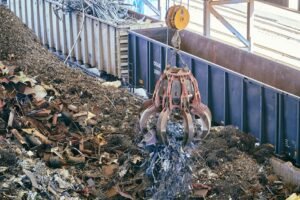
- Shearing and Baling: Large, dense pieces of scrap are sheared (cut) into manageable sizes. Loose, light-gauge scrap like sheet metal is compressed into dense bales for efficient transportation and melting.
- Shredding:
Junk cars and white goods are fed into industrial shredders that hammer them into small, fist-sized pieces. This liberates different materials and creates a homogeneous feedstock.
3. Melting and Purification
Sorted and processed scrap is then sent to mills and foundries to be melted.
- Electric Arc Furnaces (EAFs): Primarily used for melting ferrous scrap. Graphite electrodes create an electric arc that generates intense heat, melting the steel quickly and efficiently. EAFs are the backbone of modern mini-mills.
- Reverberatory Furnaces: Commonly used for non-ferrous metals like aluminium and copper. The metal is melted in a shallow hearth, and the flames (or reverberated heat) from burners heat the metal.
- Refining: While melting, a slag layer forms on top of the molten metal, capturing impurities. Alloying elements can be added to achieve the exact chemical composition required. For high-purity applications, more advanced processes like electrolytic refining may be used.
4. Solidification and Manufacturing
The purified molten metal is cast into solid forms for shipment to manufacturers. These forms include:
- Ingots: Large blocks of metal.
- Billets, Blooms, and Slabs: Semi-finished rectangular or square forms that will be further rolled or extruded.
- Direct Casting: In some continuous processes, the molten metal is cast directly into a final product shape.
These new raw materials are then used to manufacture everything from new cars and construction rebar to aluminium cans and copper wiring, completing the circular loop.
The Profound Environmental Benefits of Scrap Metal Recycling
The environmental argument for recycling worldwide scrap metals is overwhelmingly positive, offering a pathway to a more sustainable industrial model.
Massive Energy Savings
Recycling metal uses a fraction of the energy required to produce metal from virgin ore. This is because the most energy-intensive step—reducing the ore to extract the pure metal—has already been done. For example:
- Recycling aluminium saves up to 95% of the energy needed to make new aluminium from bauxite ore.
- Recycling steel saves 60-75% of the energy required for production from iron ore.
- Recycling copper saves 85-90% of the energy needed for primary production.
Conservation of Natural Resources
Metal mining is extraordinarily destructive. It involves clearing vast tracts of land, creating open-pit mines, generating enormous tailings piles, and using significant amounts of water. By recycling existing metal, we:
- Drastically reduce the need for new mining operations.
- Preserve natural habitats and biodiversity.
- Conserve finite natural resources like bauxite, iron ore, and coal for future generations.
Reduction in Greenhouse Gas Emissions
The massive energy savings directly translate into a drastic reduction in greenhouse gas emissions. The mining, transportation, and processing of virgin ore are heavily reliant on fossil fuels. The recycling industry is a major contributor to global efforts to mitigate climate change. For instance, recycling one tonne of steel prevents the emission of approximately 1.5 tonnes of CO2.
Landfill Diversion
Metal is permanent; it does not decompose in a landfill. Recycling diverts millions of tonnes of metal waste from landfills every year, preserving valuable landfill space and eliminating the potential for soil and water contamination from metals that can leach over time (e.g., from batteries).
Practical Tips for Engaging with the Scrap Market
Whether you’re an individual or a business, effectively participating in the scrap market requires strategy.
- Know Your Materials: Invest time in learning to identify and separate different metals. A small magnet is your most basic tool (ferrous sticks, non-ferrous does not). Clean, well-sorted scrap fetches the highest price.
- Stay Informed on Prices: Scrap metal prices are volatile. Follow commodities markets and establish relationships with local yards to understand local pricing trends.
- Prioritize Safety: Always wear appropriate Personal Protective Equipment (PPE) including gloves, steel-toed boots, and safety glasses when handling scrap. Be extremely cautious with unknown materials, especially those that may be contaminated or contain hazardous substances.
- Build Relationships: Work with reputable buyers. For those looking to engage internationally, a second guide on How To Find Verified Scrap Buyers Worldwide offers further advanced strategies for vetting partners and ensuring secure, profitable deals. Establishing trust is key to long-term success.
- Understand Regulations: Be aware of local and national regulations regarding scrap metal handling, transportation, and sales to ensure full compliance and avoid legal issues.
The Future of Worldwide Scrap Metals
The future of the global scrap industry is one of growth and increasing sophistication. Several key trends are shaping its trajectory. The principles of the circular economy, where waste is designed out and materials are kept in use for as long as possible, are becoming mainstream, positioning scrap metal as a primary resource rather than waste. Advancements in sorting technology, such as AI-powered optical scanners and advanced spectroscopy, will allow for even more precise and automated separation of complex alloys, increasing recycling rates and purity. Furthermore, as global demand for electronics and electric vehicles (EVs) skyrockets, so will the need for the critical metals they contain (like lithium, cobalt, and neodymium). This will make the recycling of e-waste not just an environmental imperative but a crucial economic and strategic one. The industry will continue to consolidate, with large, international corporations like those found on major trading platforms managing complex global logistics to move materials from where they are generated to where they are needed most. In Australia, connecting with a trusted local partner like a dedicated metal recycling service is the best way to navigate this evolving landscape responsibly and profitably.
Conclusion
The world of worldwide scrap metals is far more than just junk; it is a dynamic, essential, and highly sophisticated industry that sits at the intersection of economics, industry, and environmental stewardship. From the precise grading systems that create a universal language of value to the complex industrial processes that breathe new life into discarded materials, this sector is a testament to human ingenuity. By choosing to recycle metal, we are not only making an economically sound decision but also actively participating in conserving our planet’s resources, saving massive amounts of energy, and building a more sustainable future for manufacturing. Whether you are a first-time seller or an industrial generator of scrap, understanding this process empowers you to contribute effectively to this global circular economy.
Frequently Asked Questions
What is the most valuable scrap metal?
Precious metals like gold, silver, and platinum are the most valuable by weight, but they are rare in general scrap. Among common metals, clean, unalloyed copper (#1 Copper) is typically the most valuable, followed by high-grade aluminium alloys and clean stainless steel. Value is always determined by purity, form, and current market demand.
How does scrap metal recycling benefit the environment?
Scrap metal recycling offers immense environmental benefits. It conserves natural resources by reducing the need for virgin mining, saves enormous amounts of energy (e.g., 95% for aluminium), and significantly reduces greenhouse gas emissions compared to primary production. It also diverts millions of tonnes of waste from landfills, preventing soil and water contamination.
How are different types of scrap metal separated?
Scrap metal is separated through a combination of manual sorting and advanced technology. Magnets are used to easily extract ferrous metals (iron and steel). Eddy current separators use magnetic fields to repel and sort non-ferrous metals. Other methods include shredding, shearing, and increasingly, AI-powered optical scanners that can identify specific metal alloys based on their visual properties.
Why is it important to sort and grade scrap metal correctly?
Correct sorting and grading is critical because it directly determines the value of the scrap and its suitability for remelting. Contaminated or mixed scrap can ruin an entire batch of molten metal, making it useless for manufacturing. Clean, well-sorted scrap commands a much higher price as it requires less processing and energy for the recycler to prepare it for the furnace.