
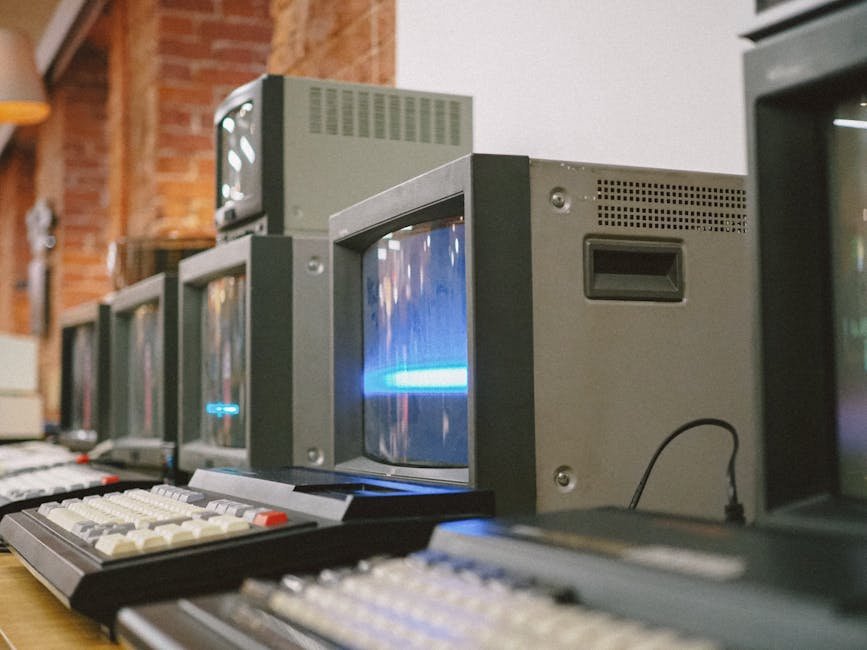

When you decide to trade in old computers, you are participating in a critical intersection of environmental sustainability and resource recovery. In the Australian market, the lifecycle of electronic waste (e-waste) is a significant economic driver, and understanding how to navigate this process is essential for businesses and individuals alike. Whether you are clearing out a corporate server room or disposing of a personal laptop, the goal is to extract maximum value while adhering to ethical disposal standards. If you are looking to understand the broader landscape of the industry, our resource on What Scrap Trade Actually Is provides the foundational knowledge necessary for any serious trader. By choosing to trade in old computers rather than sending them to landfill, you contribute to a circular economy that recovers precious metals like gold, copper, and palladium, which are vital for modern manufacturing.
The Economics of E-Waste and Hardware Recovery
The global e-waste crisis has elevated the importance of professional recycling channels. Australia has seen a surge in demand for secondary raw materials, making it a lucrative time to engage with the market. When you trade in old computers, you are essentially selling a complex assembly of high-value components. Processors, RAM sticks, and gold-plated connectors are highly sought after by refineries. For those looking to scale their operations, engaging with the Scrap Trade Organisation offers a pathway to verified, compliant, and efficient recycling partners. Understanding the market fluctuations is key; just as commodity prices shift, so does the scrap value of your hardware. Our comprehensive guide, How to Sell Old Computers for Maximum Profit: A Complete Guide, breaks down the specific components that yield the highest payouts. It is not merely about weight; it is about the concentration of precious metals within the circuit boards and the current market demand for specific chipsets.
Data Security: The Non-Negotiable First Step
Before you even consider the financial aspect, you must address the security of the data contained on your devices. Data breaches are a major risk for anyone offloading hardware. Simply deleting files is insufficient, as forensic software can easily recover data from formatted drives. You must perform a cryptographic wipe or, ideally, physically destroy the hard drive platters or SSD flash chips. Professional recyclers often provide certificates of destruction, which are vital for corporate compliance. When you Scrap Trade Australia, you are ensuring that your hardware is handled by professionals who prioritize data privacy. Never trade in old computers without a documented chain of custody. This step is not just about protecting your personal information; it is about protecting your business reputation and legal standing under Australian privacy laws. Always ask your recycler for their specific data sanitization protocols before handing over your assets.
Categorizing Hardware for Maximum Valuation
To maximize your return, you must understand how to categorize your hardware. Recyclers do not pay a flat rate for a box of electronics; they pay based on the quality and composition of the scrap. High-grade motherboards, for instance, contain significantly more precious metals than low-grade boards or power supply units. Separate your equipment into categories: server-grade hardware, desktop towers, laptops, and peripheral cables. Server-grade equipment is the ‘gold mine’ of the industry due to the high density of gold in the connectors and the quality of the processors. Laptops, while valuable, require more labor to disassemble, which can affect the price offered by the yard. By organizing your scrap before arriving at the facility, you demonstrate professionalism and save the yard time, which often translates into a better price per kilogram for you. Visit Scrap Trade for insights on how to identify these high-value components. Furthermore, keep your copper-bearing cables separate from your mixed circuit boards, as these are processed through different recycling streams and carry distinct market values.
Environmental Compliance and Ethical Recycling
The environmental impact of improper e-waste disposal is catastrophic, with heavy metals like lead, mercury, and cadmium leaching into the soil and water supply. By choosing to trade in old computers through legitimate, licensed facilities, you ensure that these hazardous materials are captured and neutralized. In Australia, the National Television and Computer Recycling Scheme (NTCRS) provides a framework for responsible disposal, but private scrap yards often offer more competitive rates for bulk quantities. It is essential to verify that your chosen recycler adheres to ISO 14001 environmental management standards. If you are a business, document your recycling efforts as part of your ESG (Environmental, Social, and Governance) reporting. This adds value beyond the immediate financial return, positioning your organization as a leader in sustainability. Use resources like Scrap Trade Australia to find accredited partners who operate with full transparency. Responsible recycling is not just a moral choice; it is an operational necessity in a world increasingly focused on the environmental footprint of technology consumption.
Market Trends and Future Outlook
The scrap metal industry is currently undergoing a digital transformation. With the rise of IoT devices and the rapid turnover of consumer electronics, the volume of e-waste is projected to grow exponentially. This presents a massive opportunity for those who understand how to capture and process this waste stream. We are seeing a shift toward ‘urban mining,’ where the recovery of metals from discarded electronics is becoming more cost-effective than traditional mining. When you trade in old computers, you are participating in this urban mining trend. Keep an eye on global commodity prices for gold, copper, and palladium, as these directly correlate to the prices offered by scrap yards. Additionally, the push for ‘Right to Repair’ legislation may influence the secondary market for parts, potentially increasing the value of older, functional components. Staying informed on these trends will keep you ahead of the curve, allowing you to time your sales for maximum profit. The industry is moving toward more automated sorting processes, which means that clean, well-separated scrap will always command a premium compared to mixed, contaminated loads.
Practical Tips for Large-Scale Asset Disposal
For businesses looking to dispose of large quantities of IT assets, the approach must be strategic. First, conduct a full audit of all hardware. Determine what can be refurbished for resale, what can be cannibalized for spare parts, and what is strictly scrap metal. Refurbishing can often yield 3x to 5x the value compared to selling as scrap, especially for newer models. Partner with a specialized IT Asset Disposition (ITAD) firm for your high-value assets and use a general scrap metal recycler for the end-of-life, non-functional hardware. Always negotiate bulk rates. If you have a consistent volume of e-waste, you can establish a contract with a recycler that guarantees you a percentage of the commodity market price. This removes the volatility of spot pricing and ensures a steady revenue stream. Maintain clear records of all transactions for your accounting department. Finally, consider the logistics. Transporting large volumes of scrap can be expensive; check if your recycler offers pick-up services for large accounts, as this can significantly offset your costs and simplify your operations. By treating your e-waste as an asset class rather than a liability, you transform a disposal cost into a revenue-generating activity.
Frequently Asked Questions
Is it safe to trade in old computers without removing the hard drive?
Absolutely not. You must physically destroy the storage media or use industry-standard data wiping software to prevent identity theft and corporate data breaches.
How do I get the best price when trading in old computers?
Organize your hardware by type, such as separating high-grade circuit boards from heavy steel casings and copper cables. Partnering with a reputable recycler and selling in bulk will also help you secure better rates.
What happens to the computers once I trade them in?
They are typically dismantled, and components are sorted by material type. Precious metals are extracted through smelting or chemical processes, while plastics and base metals are recycled into new raw materials.
Are all scrap metal yards equipped to handle computers?
No. You should look for facilities that specialize in e-waste or have specific certifications for electronics recycling to ensure they comply with environmental regulations and maximize material recovery.