
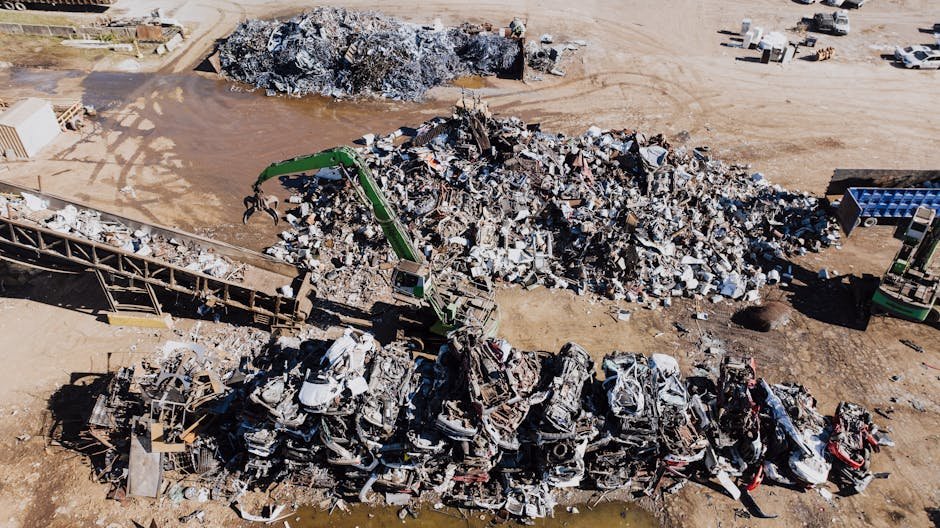

Establishing a successful scrap business in Dubai requires more than just access to a yard; it demands a deep understanding of the global commodities market and the specific logistical advantages offered by the UAE’s strategic position. Dubai serves as a critical nexus between Asian manufacturing hubs and European markets, making it an ideal location for scrap traders who understand how to aggregate, process, and export high-value materials. Whether you are looking to enter the market as a primary collector or a sophisticated exporter, the complexity of the trade necessitates a strategic approach. If you are ready to expand your reach, you should learn how to Grow Your Scrap Business Online to capture international leads. The industry is evolving rapidly, moving away from traditional, opaque trading practices toward transparent, digital-first operations that prioritize compliance and efficiency.
Understanding Metal Grades in the Dubai Market
In the competitive landscape of the scrap business in Dubai, your profitability is directly tied to your ability to accurately grade materials. Metal scrap is not a monolithic commodity; it is a highly segmented market where purity, contamination levels, and physical form determine the final price. Ferrous metals, such as HMS 1 and 2 (Heavy Melting Steel), form the backbone of the construction-heavy Dubai market, while non-ferrous metals like copper, aluminum, and brass offer higher margins but require more rigorous quality control. For instance, ‘Berry’ or ‘Candy’ copper wire is priced significantly higher than ‘Clove’ or ‘Cobra’ due to the lower processing costs for smelters. Understanding the ISRI (Institute of Scrap Recycling Industries) specifications is essential for any trader operating in the UAE. Traders often fail because they misinterpret the contamination thresholds for aluminum extrusions or fail to detect lead-lined copper cabling, which can lead to rejected shipments at the port. To maximize your margins, you must invest in handheld XRF (X-ray fluorescence) analyzers to verify alloy compositions on-site. This technical precision is what separates amateurs from industry professionals who consistently hit their targets. If you are struggling with the transition from manual sorting to high-volume trade, consider reviewing our guide on How To Scale A Scrap Trading Business to ensure your operations can handle the throughput requirements of international buyers.
The Mechanics of Recycling and Logistics
The recycling process in Dubai is a sophisticated logistical operation that leverages the city’s world-class port infrastructure, specifically Jebel Ali. Once scrap is collected from demolition sites, industrial manufacturing plants, or automotive wreckers, it undergoes a multi-stage transformation. The first stage is aggregation and sorting. In a city where real estate is at a premium, efficient yard management is non-negotiable. You must utilize vertical storage solutions and automated balers to maximize the density of your outbound containers. The second stage is processing, which includes shearing, shredding, and torch-cutting to meet the specific requirements of international smelters. Dubai’s proximity to major shipping lanes allows for a shorter turnaround time compared to landlocked regions, but this advantage is only realized if your documentation is impeccable. Customs clearance for scrap exports is strictly regulated under the Basel Convention to prevent the illegal transboundary movement of hazardous waste. You must maintain clear records of the origin and composition of every shipment. Many traders find that they need to pivot their business model as they grow; understanding the nuances of the Scrap Trading Vs Recycling Business distinction is vital for long-term stability. While trading focuses on arbitrage and volume, recycling involves heavy capital investment in machinery and environmental compliance. For those looking for an immediate entry point, exploring a Metal Scrap Business for Sale: The Ultimate Industry Guide can provide a shortcut by offering pre-existing permits and established supply chains.
Environmental Benefits and Sustainability Trends
The UAE government’s commitment to the ‘Net Zero by 2050’ initiative has fundamentally changed the scrap business in Dubai. Recycling is no longer just a profit-driven enterprise; it is a critical component of the national circular economy. By diverting millions of tonnes of metal from landfills, the industry significantly reduces the energy required for primary metal production. For example, recycling aluminum consumes approximately 95% less energy than producing it from bauxite ore. This energy saving translates into a massive reduction in carbon emissions, which is increasingly becoming a competitive advantage for exporters who can provide ‘green’ certification for their scrap. European and North American buyers are now demanding proof of sustainable sourcing, and Dubai-based companies that can demonstrate a transparent supply chain are winning the largest contracts. Furthermore, the integration of advanced sorting technologies—such as optical sorters and sensor-based separation—is enabling local recyclers to recover high-purity materials that were previously discarded as ‘fluff’ or landfill waste. This shift not only benefits the environment but also opens up new revenue streams from materials that were once considered liabilities. Whether you are looking for local insights or global market data, you can find extensive resources at Scrap Trade Australia to compare international standards and best practices.
Navigating the Regulatory Landscape
Operating a scrap business in Dubai requires strict adherence to municipal and federal regulations, particularly those set by the Dubai Municipality and the Ministry of Climate Change and Environment. Licensing is the first hurdle; you must obtain the correct industrial or trading license that covers the specific types of waste you intend to handle. Hazardous waste, such as lead-acid batteries or electronic scrap (e-waste), requires additional permits and specialized handling procedures. Failure to comply with these regulations can lead to heavy fines, license suspension, or permanent blacklisting. It is advisable to work with local legal consultants who specialize in environmental law to ensure your facility meets all fire safety, storage, and waste management codes. Beyond local law, international trade compliance is paramount. You must be well-versed in the ‘Incoterms’ used in global shipping, such as FOB (Free On Board) or CIF (Cost, Insurance, and Freight), to protect yourself from financial risk during transit. A common mistake for new entrants is failing to account for the volatility of global metal prices. Hedging your positions through futures contracts or maintaining a diversified portfolio of metals can help you navigate market downturns. Always ensure your contracts are ironclad and that you have verified the creditworthiness of your international buyers before shipping high-value material. For continued professional development, visit Scrap Trade for the latest industry news and expert insights on market movements.
Future-Proofing Your Scrap Operations
The future of the scrap business in Dubai is digital. The industry is moving toward blockchain-enabled supply chains where every step of the recycling process—from collection to export—is recorded on an immutable ledger. This technology provides the transparency that global buyers crave and helps eliminate the ‘middleman’ inefficiencies that have historically plagued the sector. Adopting an ERP (Enterprise Resource Planning) system tailored for the scrap industry will allow you to track inventory levels, monitor price fluctuations in real-time, and automate your invoicing. Furthermore, as the UAE continues to invest in smart city infrastructure, the volume of high-tech scrap, such as data center components and EV battery materials, will increase. Positioning your business to handle these specialized streams will provide a significant competitive edge over traditional yards that only handle bulk steel. You should also consider the impact of automation on your labor costs. While manual sorting is still common, investing in automated shearers and balers reduces the risk of workplace injuries and increases the consistency of your output. As the market matures, consolidation is inevitable. Smaller, inefficient players will likely be acquired by larger, more technologically advanced firms. To survive and thrive, you must focus on building a brand that stands for quality, reliability, and environmental stewardship. By integrating these practices, you ensure that your business remains a vital link in the global supply chain, regardless of short-term market fluctuations. The scrap business is a marathon, not a sprint; those who prioritize long-term relationships with both suppliers and buyers will inevitably dominate the market.
Case Study: Optimizing Export Efficiency
Consider the case of a mid-sized scrap exporter in Jebel Ali who struggled with low profit margins despite high volumes. By conducting an internal audit, they discovered that over 15% of their export costs were tied to inefficient loading and high logistics fees. They implemented a two-pronged strategy: first, they invested in a high-density container loading system that increased the weight per container by 20%, significantly reducing per-tonne shipping costs. Second, they moved their sales process online, utilizing digital marketplaces to connect directly with end-users in India and Turkey, bypassing expensive brokers. Within 18 months, their net profit margin increased by 35%. This case illustrates that the scrap business in Dubai is won in the details of logistics and the efficiency of the sales channel. It is not enough to just buy low and sell high; you must optimize every single link in your value chain. Whether it is reducing the moisture content in your aluminum scrap or negotiating better terms with shipping lines, these incremental improvements aggregate into significant competitive advantages. The market rewards those who treat scrap as a precision commodity rather than mere waste. By focusing on data-driven decision-making, you can transform your operations from a traditional yard into a high-performance trading house capable of competing on the global stage. Always keep an eye on emerging markets; as manufacturing shifts, so too does the demand for specific scrap grades. Staying agile and informed is the hallmark of a successful scrap entrepreneur in the modern era.
Frequently Asked Questions
What are the most profitable scrap metals to trade in Dubai?
Copper, aluminum, and stainless steel generally offer the highest profit margins due to their high demand in global manufacturing. However, these metals require precise grading and contamination control to fetch premium prices.
Do I need a special license to run a scrap business in Dubai?
Yes, you require a specific trade license from the Dubai Department of Economy and Tourism, along with environmental permits from the Dubai Municipality. Handling hazardous materials like e-waste or batteries requires additional specialized certifications.
How does the scrap business in Dubai contribute to sustainability?
The industry supports the UAE’s circular economy by diverting industrial and construction waste from landfills. Recycling metals saves significant energy compared to primary production, directly reducing the carbon footprint of the manufacturing sector.
What is the biggest risk for a new scrap trader in the UAE?
The primary risks include price volatility in the global commodities market and non-compliance with international shipping regulations like the Basel Convention. Traders must also carefully vet international buyers to avoid payment defaults and shipment rejections.