
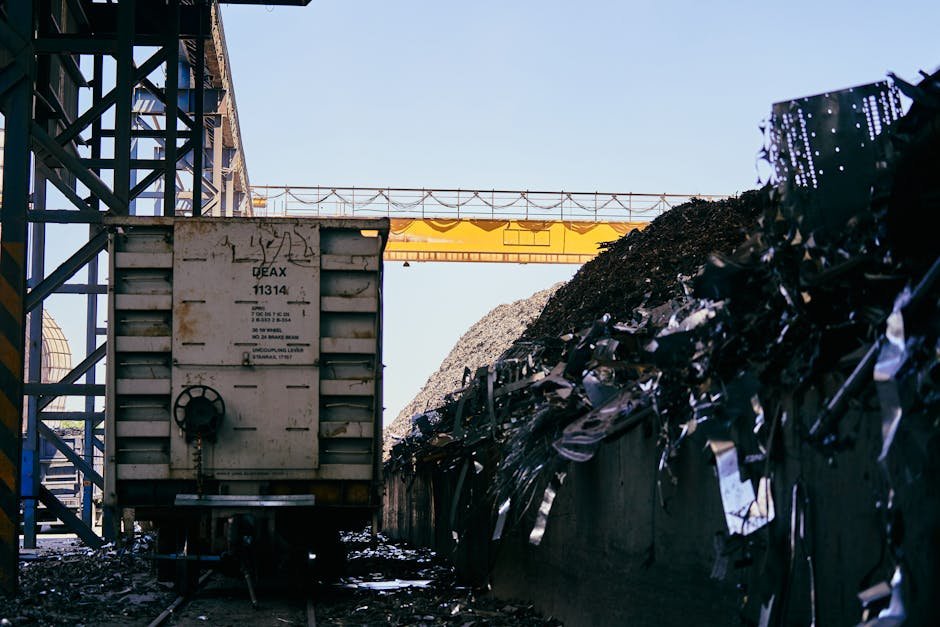

Navigating the complexities of scrap metal transportation is a fundamental pillar for any business involved in the Australian recycling sector. Whether you are managing industrial demolition debris or residential collections, the physical movement of metal is where logistics meet profitability. Understanding how to streamline your scrap metal transportation strategy requires deep knowledge of material density, vehicle payload capacity, and the specific requirements of regional processing hubs. When you optimize your supply chain, you reduce carbon footprints and ensure that your materials reach a metal scrap yard near me with minimal overhead. The Australian market is highly competitive, and those who master the transit phase often see significantly higher margins when checking current Scrap Metal Prices. This guide serves as your authoritative resource for managing the lifecycle of metal waste, from the point of origin to the final smelting stage.
Understanding Metal Grades and Their Impact on Logistics
The grade of the metal dictates the logistics of its transportation. High-density metals like copper and brass require secure, enclosed transport to prevent theft and environmental contamination, while bulky ferrous materials like steel beams or scrap cars require specialized flatbed or tilt-tray trucks. When you categorize your scrap correctly, you can plan your transportation load to maximize payload capacity. For example, mixing light, low-value steel with heavy, high-value copper is rarely efficient; instead, segregating these materials allows for targeted shipping strategies that align with market fluctuations. If you are unsure about how your specific haul fits into the broader market, refer to the Ultimate Guide to scrap metal prices in Australia to ensure you are prioritizing the right materials for shipment. Proper grading not only improves transportation efficiency but also ensures that when your load arrives at a facility like Crg Scrap Metal, the unloading and weighing process is seamless and fast.
Logistical Strategies for Bulk Metal Movements
Efficient scrap metal transportation is not just about moving weight; it is about moving volume effectively. In Australia, transport costs often account for a significant portion of the total recycling expenditure. To mitigate these costs, many operators utilize skip bins, hook-lift trucks, and specialized trailers equipped with hydraulic cranes. For large-scale industrial sites, on-site shearing or baling is a critical step that increases the density of the scrap, allowing for more tonnage per transport unit. This density optimization reduces the number of trips required, directly lowering fuel consumption and labor costs. When planning your logistics, consider the proximity of your site to major rail or road networks. In many cases, partnering with professional recycling logistics providers who utilize scrap trade Australia tools can help you identify the most cost-effective routes and vehicle types for your specific volume. Always maintain a clear manifest of the material grades being moved, as this is essential for compliance with environmental protection agencies and for accurate financial reporting at the point of sale.
Environmental Benefits and Regulatory Compliance
The environmental impact of recycling is profound, and the transportation phase is a critical link in this chain. By consolidating loads and optimizing routes, companies can significantly reduce the greenhouse gas emissions associated with scrap movement. Australia has stringent regulations regarding the handling of hazardous scrap, such as lead-acid batteries or metals contaminated with oils and lubricants. During transit, these materials must be contained to prevent leaks that could damage local ecosystems. Compliance is not merely a legal requirement; it is a reputation-building necessity. Businesses that demonstrate rigorous environmental stewardship during the transportation phase are viewed as preferred partners by global smelters and manufacturers. Furthermore, recycling metals consumes up to 95% less energy than mining and refining virgin ore. By ensuring your scrap reaches the right facility efficiently, you are actively participating in a circular economy that preserves natural resources and reduces the need for destructive open-cut mining operations across the Australian landscape.
The Role of Technology in Modern Scrap Logistics
The digital transformation of the scrap industry has revolutionized how we handle transportation. Real-time GPS tracking, load-sensing scales, and automated dispatch software have replaced manual, paper-based systems. These technologies allow for predictive analytics, where you can forecast the best time to move your scrap based on market demand and transport availability. For instance, if you know that the price of aluminum is peaking, you can prioritize the transportation of that specific material grade to capture the highest possible return. Additionally, digital platforms enable better communication between the scrap producer and the recycling center, reducing wait times at drop-off points. This synchronization ensures that trucks are not idling, which saves fuel and reduces the overall carbon footprint of the operation. Embracing these digital tools is no longer optional; it is a competitive advantage that allows you to operate with precision in an increasingly volatile global market.
Safety Protocols for Heavy Metal Transportation
Safety is the paramount concern when dealing with heavy, sharp, and potentially hazardous metal waste. Every driver and operator involved in the movement of scrap must be trained in load securing techniques. Improperly secured loads can lead to catastrophic road accidents, especially when dealing with shifting metal loads on winding Australian roads. Utilizing heavy-duty chains, tensioners, and high-strength tarpaulins is standard practice for professional transporters. Furthermore, personal protective equipment (PPE) such as steel-toed boots, high-visibility clothing, and cut-resistant gloves must be mandatory for anyone involved in the loading or unloading process. Regular maintenance of transport vehicles is also critical; a breakdown in a remote area not only incurs high recovery costs but also poses significant safety risks to the driver. By prioritizing safety, you protect your workforce, your assets, and your reputation, ensuring long-term sustainability for your scrap trading operations.
Future Trends in Australian Scrap Metal Recycling
As we look toward the future, the Australian scrap metal industry is moving toward greater automation and electrification. We are seeing an increase in the use of electric heavy vehicles for short-haul transportation, which further reduces the carbon intensity of the recycling process. Moreover, the integration of AI-driven sorting technology at the point of collection will allow for even more efficient material separation, meaning that transportation can be focused on high-purity, high-value loads. As global demand for recycled metals like copper and lithium (from batteries) continues to surge, the importance of a robust, reliable, and sustainable transportation network will only grow. Businesses that invest in these advanced logistical capabilities today will be the leaders of tomorrow. Stay informed about industry shifts, maintain strong relationships with your local yards, and continue to refine your transportation processes to ensure you remain at the forefront of this vital industry.
Frequently Asked Questions
What is the most cost-effective way to transport scrap metal in Australia?
The most cost-effective method involves maximizing load density through on-site baling or shearing before transport. Using skip bins or hook-lift trucks optimized for your specific volume and scheduling pickups during off-peak traffic hours also helps reduce fuel and labor costs.
How do I ensure my scrap metal transportation complies with environmental laws?
Ensure all hazardous materials, such as batteries or oily scrap, are sealed in leak-proof containers and clearly labeled. Always work with licensed waste transporters who provide proper documentation and manifest tracking for all materials moved.
Does the grade of scrap metal affect transport requirements?
Yes, different grades have different densities and safety risks. High-value, dense metals like copper require secure, enclosed transport, while bulky ferrous scrap is typically moved in open-top bins or flatbeds that accommodate large dimensions.
How can I reduce the carbon footprint of my scrap metal logistics?
You can reduce your footprint by optimizing transport routes, consolidating multiple smaller loads into single larger shipments, and utilizing modern, fuel-efficient vehicles. Additionally, partnering with local recycling facilities minimizes the distance materials need to travel.