

In the modern Australian automotive landscape, leveraging a sophisticated scrap car app has transformed how individuals and businesses manage end-of-life vehicles. By digitizing the valuation and collection process, these tools eliminate the uncertainty traditionally associated with dealing with car wreckers. Whether you are an individual looking to clear a driveway or a business managing a fleet, the right scrap car app provides real-time market data, ensuring you receive the true value of your vehicle’s weight and material composition. This guide explores the intricate world of vehicle recycling, from the chemical composition of scrap grades to the environmental imperatives driving the industry forward.
Understanding Scrap Metal Grades in Automotive Recycling
The value of an end-of-life vehicle is determined by the quality and weight of the scrap metal it contains. Professional recyclers categorize these materials into specific grades, each with its own market price point. Ferrous metals, primarily iron and steel, make up the bulk of a vehicle’s weight. These are typically classified as ‘HMS’ (Heavy Melting Steel) or ‘Shredder Feed’ depending on the processing stage. Non-ferrous metals, while lighter, are significantly more valuable. Aluminum, found in engine blocks, transmission housings, and wheels, is a primary target for recovery. Copper wiring, often stripped from the vehicle’s harness, represents another high-value stream. When utilizing a scrap car app, users are often prompted to disclose the presence of these components, as they directly influence the final quote provided by the recycler. Understanding these grades allows you to distinguish between a standard scrap value and the potential premium for high-grade alloys. For those operating at scale, the B2b Scrap Trading Platform offers advanced insights into these market fluctuations, ensuring that your inventory is valued according to current global commodity trends. Proper sorting at the point of collection is the hallmark of a high-efficiency operation, and digital tools are now the standard for managing these complex inventories.
The Vehicle Recycling Process: From Collection to Recovery
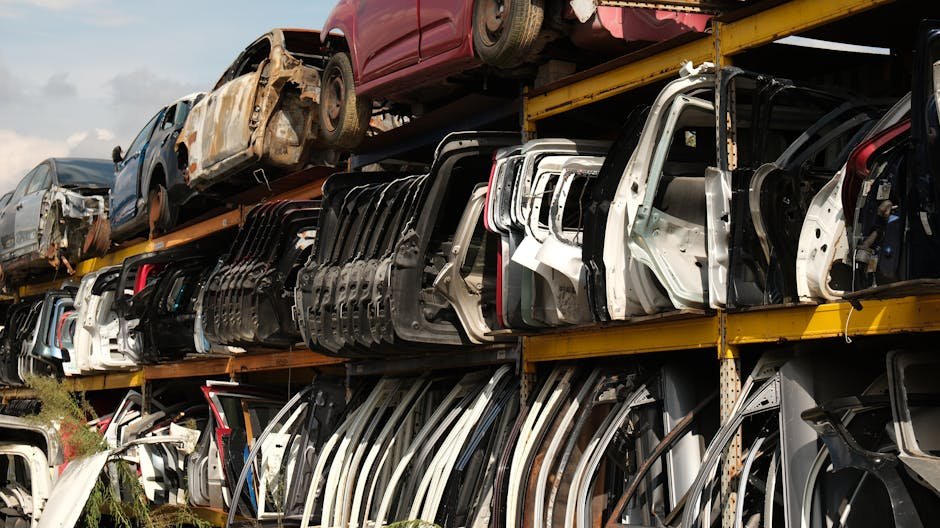
Vehicle recycling is a highly engineered industrial process designed to minimize waste and maximize resource recovery. Once a vehicle is collected, it enters a facility where it undergoes a rigorous depollution stage. This involves the safe removal and disposal of hazardous fluids, including engine oil, transmission fluid, coolant, and brake fluid. These substances are strictly regulated to prevent soil and water contamination. Following depollution, valuable auto parts are often harvested for resale. This circular economy approach ensures that functional components like alternators, starters, and body panels remain in use, reducing the demand for new manufacturing. The remaining vehicle carcass is then crushed and fed into a shredder. This machine reduces the car to fist-sized chunks of metal, which are then sorted using magnetic separators to pull out ferrous metals and eddy current separators to extract non-ferrous materials like aluminum and copper. The efficiency of this process is what makes professional recycling superior to simple disposal. If you are looking for local expertise, resources like the Scrap Car Liverpool: Recycling Guide & Environmental Benefits provide an excellent case study on how localized recycling efforts contribute to broader national sustainability goals. By integrating these practices, the Scrap Trade Organisation continues to push for higher recovery rates across the Australian continent.
Environmental Benefits and Regulatory Compliance
The environmental impact of recycling a single vehicle is profound. By recycling steel, we save approximately 75% of the energy required to produce steel from raw iron ore. Furthermore, every ton of recycled steel prevents the mining of 1,100 kilograms of iron ore and 600 kilograms of coal. In Australia, the automotive recycling industry operates under strict environmental guidelines to ensure that toxins do not leach into the ecosystem. Professional car wreckers are required to hold specific licenses that mandate the responsible handling of lead-acid batteries, mercury switches, and refrigerant gases. Choosing to recycle via a reputable service ensures that your vehicle does not end up in an illegal landfill or an abandoned plot. Digital platforms have significantly improved compliance by creating a transparent trail of custody for every vehicle processed. When you use a trusted service, you are participating in a system that prioritizes carbon footprint reduction and resource circularity. For comprehensive insights into the national standards, visit Scrap Trade Australia to understand the regulatory framework governing the industry. The collective effort of individual recyclers and large-scale operations under the banner of Scrap Trade Australia is essential for maintaining the integrity of our environmental commitments.
Technological Integration in Modern Scrap Trading
The shift toward digital solutions in the scrap metal industry is not merely a convenience; it is a necessity for market transparency. Traditional methods of selling scrap often left the seller at the mercy of opaque pricing structures. Today, the integration of real-time data allows for dynamic pricing based on the London Metal Exchange (LME) and local demand. This technology enables recyclers to optimize their logistics, reducing the carbon emissions associated with vehicle transport. By using an app, the recycler can coordinate pickup routes, ensuring that trucks are running at full capacity, which is a critical factor in reducing the overall energy cost of the recycling cycle. Furthermore, digital ledgers allow for better tracking of precious metals, such as the platinum, palladium, and rhodium found in catalytic converters. These materials are highly volatile in price, and digital tracking ensures that the seller receives a fair market value for these components. As we move toward a more automated future, the ability to integrate your scrap management with inventory software will become a competitive advantage for any business involved in automotive parts or metal recovery. The data collected through these platforms also provides invaluable insights into the age and model of vehicles being scrapped, helping manufacturers design more recyclable cars in the future.
Maximizing Your Return on End-of-Life Vehicles
To maximize the value of your vehicle, preparation is key. While the scrap weight is the primary driver of value, the condition of the vehicle’s components can significantly enhance the final offer. Before listing your car on a digital platform, ensure that you have clear documentation, including proof of ownership. If the vehicle is still drivable, it may have a higher value as a source of spare parts rather than just raw metal. Remove any personal belongings and, if possible, ensure that the battery is accessible, as some recyclers offer a separate premium for lead-acid batteries. Communicate clearly with the recycler about the vehicle’s history, especially if it has been involved in a crash, as this affects the structural integrity of the metal. If you are managing a larger volume of scrap, consider the logistics of bulk transport. Aggregating multiple vehicles can significantly reduce the cost per unit for collection, increasing your net profit. Always look for recyclers who are transparent about their pricing structure and who provide a certificate of destruction. This document is not only proof that your vehicle has been processed legally but also protects you from future liability regarding the vehicle’s registration or any illegal activity associated with it. By leveraging the right tools and knowledge, you can transform what was once a liability into a profitable and environmentally responsible asset.
The Future of the Automotive Circular Economy
The future of the Australian scrap industry lies in the sophistication of the circular economy. As electric vehicles (EVs) become more prevalent, the industry is preparing for a new wave of recycling challenges, particularly regarding lithium-ion battery disposal. These batteries require specialized handling and recovery processes to extract cobalt, nickel, and lithium. The next generation of scrap platforms will need to incorporate tracking for these battery packs, ensuring they are recycled safely and efficiently. This evolution represents a massive opportunity for the industry to lead in sustainable resource management. By investing in better separation technologies and more robust digital tracking, the scrap industry is positioning itself as a cornerstone of Australia’s green transition. We are moving toward a reality where almost 100% of a vehicle’s materials can be recovered and repurposed. This shift is supported by government initiatives that favor sustainable manufacturing and waste reduction. As a participant in this ecosystem, whether as a consumer or a business, your choices directly influence the health of the industry. By choosing to work with certified, tech-enabled recyclers, you are supporting a system that values the environment as much as it values profit. The integration of advanced analytics, AI-driven sorting, and transparent digital marketplaces will continue to define the success of the sector in the coming decade. Stay informed, stay compliant, and leverage the tools available to ensure that your scrap metal assets are contributing to a sustainable and profitable future for all Australians.
Frequently Asked Questions
How does a scrap car app determine the value of my vehicle?
The app calculates value based on the vehicle’s weight, the current market price of ferrous and non-ferrous metals, and the potential value of harvestable auto parts. It uses real-time commodity data to provide a competitive, transparent quote.
What happens to the hazardous fluids in my car during recycling?
Certified recyclers perform a depollution process where all fluids, including oil, coolant, and brake fluid, are drained into sealed containers. These are then treated and recycled or disposed of according to strict environmental regulations to prevent soil and water contamination.
Why is it important to receive a certificate of destruction?
A certificate of destruction acts as legal proof that your vehicle has been disposed of correctly and de-registered. It protects you from any future liability related to the vehicle and ensures the recycler is operating within the law.
Can I still get money for a car that is no longer running?
Yes, non-running vehicles are highly valuable in the scrap industry. Even if the engine is seized, the metal body, catalytic converter, and other components hold significant scrap value which recyclers will pay for based on current market rates.