
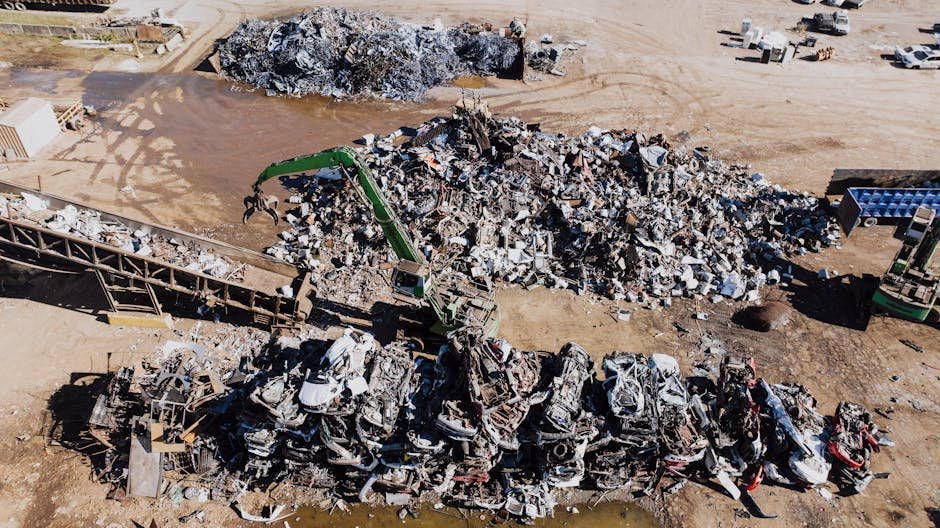

Finding a reliable scrap metal yard Crystal Brook is the first step toward efficient waste management and responsible resource recovery. Whether you are a local contractor, a farmer clearing out old machinery, or a homeowner with a pile of household scrap, understanding how to navigate the local metal trading landscape is essential. By choosing a professional facility, you ensure that your materials are handled according to Australian environmental standards, maximizing the value of your scrap while contributing to a circular economy.
Understanding Metal Grades: Ferrous vs. Non-Ferrous
To get the best return on your materials, you must first understand the classification system used at any reputable recycling depot. Metals are primarily divided into two categories: ferrous and non-ferrous. Ferrous metals contain iron and are magnetic. This category includes steel, iron, and various alloys used in construction and automotive manufacturing. Because these materials are abundant, they are typically sold in bulk. If you are searching for a Metal Scrap Yard Near Me, you will likely find that ferrous scrap like structural steel, rebar, and light iron forms the backbone of their daily intake.
Non-ferrous metals, on the other hand, are highly valued due to their scarcity and unique properties. This group includes copper, aluminium, brass, lead, and stainless steel. These metals are non-magnetic and highly resistant to corrosion, making them essential for electronics, plumbing, and aerospace engineering. When you visit a scrap metal yard Crystal Brook, you will notice that non-ferrous metals are weighed with higher precision and commanded at higher price points per kilogram. Understanding these grades is critical; for instance, separating “bright shiny” copper wire from “burnt” copper or “insulated” cable can significantly impact your payout. If you are looking for guidance on how to sort your materials, you can visit the leading Australian scrap metal trading portal for up-to-date market insights.
The Recycling Process: From Collection to Commodity
The journey of scrap metal from a pile in your shed to a new product is a fascinating industrial process. Once you arrive at a site like Zores Scrap Yard Your Trusted Destination For Scrap Metal, the process begins with weighing. Every vehicle is weighed on a certified weighbridge upon entry and exit to determine the net weight of the scrap delivered. Following the weighing process, the material is sorted. Advanced facilities use magnets for ferrous metals and eddy current separators or X-ray fluorescence (XRF) scanners for non-ferrous materials to ensure high purity levels.
After sorting, the metals are processed. This may involve shearing, shredding, or baling. Shredding is particularly effective for large appliances and vehicle bodies, breaking them down into small, uniform pieces that are easier to transport and melt. The final stage is smelting, where the scrap is melted down into ingots or billets. These are then sold to manufacturers to create everything from new car parts to beverage cans. By participating in this, you are helping to close the loop on resource extraction. For those in other regions, similar professional standards are maintained at venues like Mohawk Scrap Yard Your Go To Destination For Scrap Metal Trading, ensuring that regardless of location, the quality of processed metal remains high.
Environmental Benefits of Metal Recycling
The environmental argument for choosing a scrap metal yard Crystal Brook is compelling. Mining virgin ore is an energy-intensive and ecologically damaging process that involves massive land clearing, water usage, and carbon emissions. By contrast, recycling metals requires a fraction of the energy. For example, recycling aluminium uses approximately 95% less energy than producing it from bauxite ore. Every tonne of steel recycled saves over a tonne of iron ore, 600kg of coal, and 50kg of limestone.
Furthermore, metal recycling reduces the volume of waste sent to landfills. Many items, such as old whitegoods and car parts, contain hazardous materials like lead, mercury, or refrigerants that must be extracted safely. A professional metal recycler acts as a gatekeeper, ensuring these toxins are handled in compliance with environmental regulations. This prevents groundwater contamination and soil degradation. Whether you are dealing with industrial quantities or small household items, your choice to recycle supports a sustainable future for Australia, reducing our reliance on environmentally taxing extraction methods.
Practical Tips for Scrap Trading Success
To maximize your experience at a scrap yard, preparation is key. First, always clean your scrap. Removing non-metallic contaminants like plastic, wood, or glass increases the value of your load and speeds up the processing time. Second, sort your metals before you arrive. Mixing copper with steel will often result in the entire load being graded at the lower price of the steel. If you are a walk-in customer, having your metals organized in separate bins or piles will make the weighing process much more efficient for the staff.
Safety is equally important. Wear sturdy boots, gloves, and high-visibility clothing if you are entering an industrial yard. Always follow the directions of the yard staff, as heavy machinery and large trucks are constantly in motion. If you have large, oversized items, call ahead to ensure the facility has the equipment, such as cranes or forklifts, to handle your specific load. For those looking for specialized services in other hubs, you might research a scrap metal yard seven hills or a metal scrap yard sydney to understand how different facilities cater to local industry needs. Always check the current market prices before you go, as metal prices fluctuate daily based on global commodity markets. You can find more resources and industry news at the premier scrap metal trading hub.
The Role of Technology in Modern Recycling
Modern scrap yards have evolved far beyond the “junkyards” of the past. Today, they are sophisticated processing plants. Technologies like AI-driven optical sorting are becoming standard, allowing for the identification of specific metal alloys in milliseconds. This is crucial for the automotive and aerospace industries, where the purity of the metal is non-negotiable. As a consumer, you benefit from this technology through more accurate weighing and fairer pricing. The transparency provided by digital weighbridges and automated reporting ensures that you are paid exactly for what you deliver.
Furthermore, the integration of digital platforms allows for better tracking of materials. This traceability is becoming increasingly important for businesses that need to report on their carbon footprint and waste diversion metrics. Whether you are a small business owner or a large industrial firm, partnering with a technologically advanced recycler helps you meet your sustainability goals. The industry is moving toward a future where every scrap of metal is treated as a valuable resource, and your local yard is the primary interface for this transition.
Market Trends and Future Outlook
The global demand for recycled metal is surging. As the world transitions toward renewable energy, the demand for copper for electric vehicles and wind turbines is skyrocketing. Similarly, the push for a circular economy in Australia is driving policy changes that favor recycling over landfill disposal. This means that the value of your scrap is likely to remain stable or increase over the long term. Being informed about these trends can help you decide when to sell your accumulated scrap.
For instance, if you have a large stockpile of non-ferrous metals, keeping an eye on the London Metal Exchange (LME) prices can help you time your delivery for maximum profit. However, do not get too caught up in chasing the absolute peak; the most important factor is consistent recycling. By maintaining a relationship with a local yard, you become part of a stable supply chain that keeps the Australian economy moving. The future of the industry is bright, and by engaging with your local facility today, you are contributing to a robust, self-sustaining industrial ecosystem.
Conclusion: Why Local Recycling Matters
Choosing a professional scrap metal yard Crystal Brook is about more than just making a few dollars; it is about taking responsibility for the materials we use every day. By sorting your scrap, understanding the grades, and choosing a reputable recycler, you are actively participating in the preservation of our natural resources. Whether you are a casual recycler or a commercial entity, the impact of your actions is measurable. We encourage you to visit your local facility, ask questions, and learn more about how your scrap is being transformed into the building blocks of tomorrow. Together, we can ensure that Australia remains a leader in sustainable metal recycling, turning yesterday’s waste into tomorrow’s infrastructure.
Frequently Asked Questions
How should I prepare my scrap metal before visiting a yard?
Sort your metals into separate categories like copper, aluminium, and steel to ensure you get the best price. Remove any non-metallic attachments such as plastic, wood, or rubber to increase the purity of your load.
Are there items that a scrap metal yard will not accept?
Most yards will not accept hazardous materials, sealed containers like gas cylinders, or items containing radioactive material. Always call ahead if you are unsure about a specific item.
How do scrap metal prices work?
Prices are based on global market demand and the current purity of the metal. They fluctuate daily, so it is recommended to check the latest rates before you head to the yard.
Do I need an appointment to drop off scrap metal?
Most scrap yards welcome walk-in customers during business hours for small to medium loads. However, if you have a very large commercial load, it is best to call ahead to arrange logistics.