
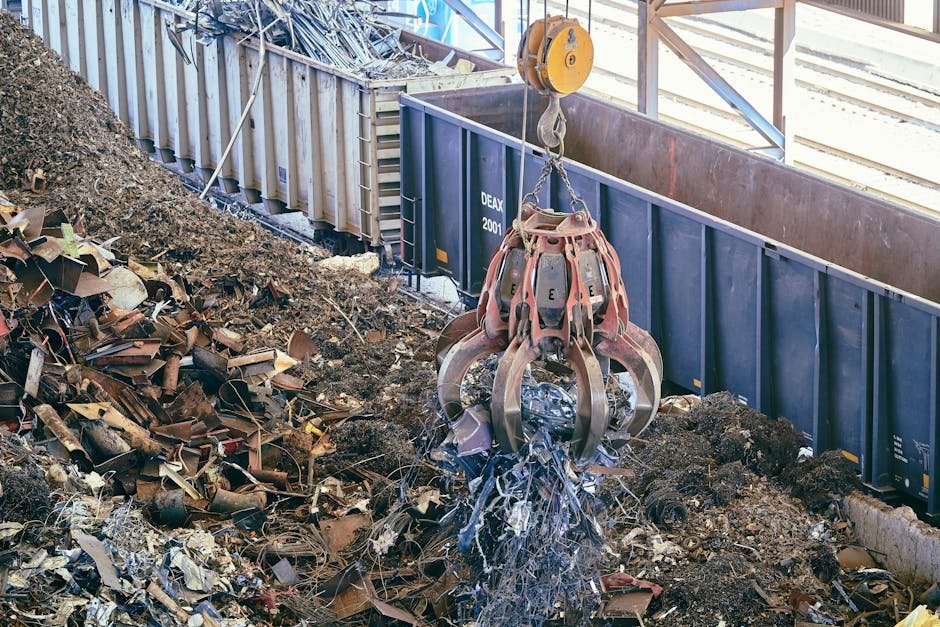

When searching for scrap lead for sale, it is essential to understand that lead is one of the most recycled materials on the planet. Its high density, low melting point, and corrosion resistance make it a staple in various industries, from automotive manufacturing to construction. In the Australian market, the trade of lead scrap is a sophisticated operation that requires a deep understanding of metal grades, market fluctuations, and environmental compliance. Whether you are a commercial recycler or an industrial supplier, navigating the complexities of the B2b Scrap Trading Platform is the most efficient way to maximize value.
Understanding the Grades of Scrap Lead for Sale
Lead is rarely sold as pure, elemental lead in the scrap market; instead, it is categorized by its application and level of contamination. Identifying the correct grade is critical for both buyers and sellers to ensure fair market pricing. When you look at listings for scrap lead for sale, you will typically encounter several distinct categories:
- Soft Lead: Often referred to as “pipe lead” or “sheet lead,” this is the purest form of scrap lead. It is highly malleable and is frequently recovered from plumbing systems, roofing flashings, and lead-lined chemical tanks.
- Hard Lead (Antimonial Lead): This grade contains small percentages of antimony, which adds strength and hardness to the metal. It is commonly found in battery grids and wheel balancing weights.
- Lead Acid Batteries (Whole): These are the most common source of recycled lead. They must be handled with extreme care due to the presence of sulfuric acid. Professional recycling facilities process these through a closed-loop system.
- Cable Lead: This is lead that has been stripped from underground or underwater communication and power cables. It often contains traces of copper or plastic sheathing, which must be removed to reach high-purity levels.
For those looking to streamline their procurement, our Scrap Trade Australia portal provides real-time data on these grades, ensuring transparency in every transaction. Understanding these classifications is the first step in mastering your Warehouse Clearance Scrap Sale Strategy.
The Mechanics of Lead Recycling
The process of recycling lead is a marvel of industrial efficiency. Unlike many other materials that degrade in quality during the recycling process, lead can be recycled infinitely without losing its inherent properties. The recycling cycle begins with collection, where scrap lead for sale is aggregated from industrial sites and demolition projects. Once collected, the material undergoes a rigorous sorting and cleaning process.
For lead-acid batteries, the process involves crushing the casings, separating the plastic, and neutralizing the acid. The lead components—the grids, posts, and paste—are then smelted in a furnace. During smelting, impurities are removed, and the lead is refined into ingots. These ingots are then sold back to manufacturers to create new batteries or construction materials. This circular economy is central to the services provided by Scrap Trade, which connects suppliers with global buyers. By utilizing a professional metal recycling network, companies can ensure that their waste management processes are both compliant and profitable.
Environmental Benefits and Regulatory Compliance
The environmental impact of recycling lead cannot be overstated. Primary lead production—extracting lead from ore—is an energy-intensive process that involves mining, crushing, and high-temperature refining. In contrast, recycling lead requires approximately 60% less energy than producing it from raw ore. By choosing to purchase or sell recycled lead, businesses directly contribute to a reduction in carbon emissions and the preservation of natural landscapes.
Furthermore, lead is a toxic heavy metal that poses significant risks to human health and the environment if not disposed of correctly. Improper disposal can lead to lead leaching into groundwater or contaminating soil. Professional recycling ensures that lead is sequestered and repurposed in a controlled environment, preventing environmental degradation. For more detailed insights into these processes, refer to our comprehensive guide on Scrap Sale Online in Australia: Grades, Recycling, and industry standards. Every transaction conducted via our platform adheres to strict environmental guidelines, ensuring that our partners remain compliant with Australian EPA regulations.
Strategic Sourcing and Market Trends
The market for scrap lead is influenced by global commodity prices, the demand for electric vehicles (which still rely on lead-acid batteries for auxiliary power), and the construction sector. To stay ahead, market participants must adopt a proactive approach to procurement. Whether you are seeking high-volume lots or specialized batches, having a clear strategy is essential. You can learn more about optimizing your inventory management by reading our article on Scrap for Sale in Australia: Grades, Recycling & Benefits. By leveraging data-driven insights, you can time your sales and purchases to coincide with peak market conditions, thereby maximizing your return on investment.
In conclusion, the trade of scrap lead is a vital component of the modern Australian economy. It bridges the gap between waste management and industrial supply, fostering a sustainable future. By understanding the grades, the recycling process, and the environmental imperatives, businesses can turn their scrap piles into valuable assets. Whether you are a seasoned trader or a newcomer to the industry, the key to success lies in education and the use of reliable, transparent trading platforms. Stay informed, stay compliant, and leverage the power of the circular economy to drive your business forward.
Frequently Asked Questions
What is the most valuable grade of scrap lead?
Soft lead, often sourced from pipes and roofing, is generally considered the most valuable grade because it is the purest form of lead and requires less refining before it can be reused in manufacturing.
Why is it important to recycle lead-acid batteries?
Lead-acid batteries contain toxic lead and corrosive sulfuric acid that can cause severe environmental damage if leaked. Recycling them ensures these hazardous materials are safely neutralized and the lead is recovered for future use.
How do market prices for scrap lead fluctuate?
Scrap lead prices are primarily driven by the London Metal Exchange (LME) lead price, global industrial demand, and the current cost of energy required for smelting and logistics.
Can I sell scrap lead directly to a refinery?
While some refineries accept direct shipments, most smaller or medium-sized suppliers benefit more from using a B2B trading platform that aggregates volume and connects them with the best available market prices.