
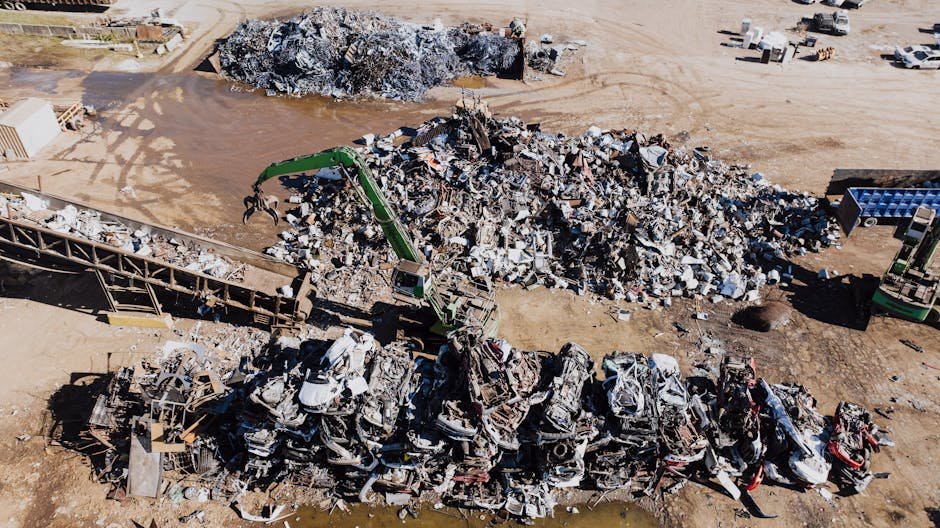

Finding open scrap yards today is the first step in converting your industrial, residential, or commercial metal waste into immediate cash. Whether you are a demolition contractor, a renovator, or a household recycler, understanding the landscape of metal trading is essential for maximizing your profit margins and ensuring compliance with Australian environmental standards. By leveraging resources like Scrap Yards, you gain access to a network of verified buyers who prioritize transparency in weighing, grading, and pricing. The Australian recycling market is currently undergoing a significant transformation, driven by circular economy mandates and technological advancements in material recovery. Navigating these systems requires more than just showing up at a facility; it demands a strategic approach to sorting and preparation.
The Hierarchy of Metal Grades: Understanding Value
The profitability of your scrap depends entirely on your ability to accurately grade your materials. Metal recycling is not a one-size-fits-all industry; it is a highly specialized trade where purity dictates price. Non-ferrous metals—such as copper, aluminum, brass, and stainless steel—consistently command higher prices than ferrous metals like iron and steel due to their infinite recyclability and lower energy requirements for processing. When you search for Local Scrap Yards In 2026, you will notice that yards differentiate between ‘clean’ and ‘dirty’ grades. Clean copper, for instance, is free of insulation, solder, or paint, whereas dirty copper may be downgraded, reducing your payout significantly. Understanding these nuances is critical for any serious trader. Aluminum is another vital category, split into grades like cast, extrusion, and sheet. Each grade has a unique market demand. For example, clean aluminum extrusions from window frames are highly sought after by smelters. Conversely, iron-contaminated aluminum is often classified as ‘twitch’ or ‘tense,’ which fetches a lower price. To ensure you receive the best value, always separate your metals before arriving at the yard. Mixing grades often leads to the entire load being downgraded to the lowest common denominator, effectively throwing money away. Professionals at professional metal trading hubs often provide grading charts that can help you categorize your haul effectively.
How Modern Recycling Processes Work
The journey from a pile of scrap to a raw material commodity is a sophisticated industrial process. Once you arrive at one of the many Scrap Places Near Me How To Find The Best Scrap Yards And Buyers, your material undergoes a rigorous intake procedure. First, the scrap is weighed on certified weighbridges to establish a baseline. Following this, the material is inspected for contaminants. Modern facilities utilize X-ray fluorescence (XRF) analyzers—handheld devices that provide a precise chemical composition of the metal within seconds. This technology has revolutionized the industry, removing the guesswork from grading and ensuring that you are paid accurately for the specific alloy you are selling. After intake, the scrap is processed through shredders, shears, or balers. Shredding breaks down complex items like appliances into small, manageable pieces, allowing for magnetic separation of ferrous metals from non-ferrous materials. Eddy current separators are then used to repel non-ferrous metals, effectively sorting aluminum from plastics and glass. This mechanical sorting is the backbone of the Australian recycling sector, enabling high-volume recovery that was previously impossible. By understanding this process, you can prepare your scrap in a way that aligns with these industrial machines, such as removing non-metallic attachments from your steel, which speeds up your processing time at the yard and improves your overall efficiency.
Environmental Benefits and the Circular Economy
Recycling metal is one of the most impactful environmental actions an individual or business can take. The energy savings are staggering; producing aluminum from recycled scrap uses approximately 95% less energy than producing it from virgin bauxite ore. Similarly, copper recycling saves about 85% of the energy required for primary production. When you visit open scrap yards today, you are participating in a global effort to reduce carbon emissions and preserve finite natural resources. The circular economy model relies on these recovered metals re-entering the manufacturing stream, which reduces the need for destructive mining practices. Beyond energy, metal recycling significantly reduces landfill waste. In Australia, the national waste policy aims to increase recycling rates across all sectors, and scrap metal is a major contributor to these targets. By ensuring your scrap is processed through legitimate, EPA-licensed facilities, you prevent hazardous materials—such as lead-acid batteries or mercury-containing switches—from leaching into the ecosystem. Responsible recycling also supports local jobs and fosters innovation in material science. As the world moves toward a net-zero future, the demand for recycled metals to build electric vehicles, wind turbines, and energy-efficient infrastructure will only grow. Your contribution, no matter how small, is a vital link in this supply chain.
Strategic Tips for Maximizing Your Scrap Returns
To truly master the scrap trade, you must treat your collection as a business. Consistency and preparation are your greatest assets. First, track market prices. The Australian metal market is influenced by global commodity prices, particularly the London Metal Exchange (LME). While you cannot control these fluctuations, you can control when you sell. If you have the storage space, stockpile your scrap during periods of low market prices and sell when the market trends upward. Second, invest in basic tools to clean your materials. A simple pair of wire strippers can turn low-value insulated copper wire into high-value bright and shiny copper. Third, develop a relationship with your local yard manager. Yards value reliable, repeat customers who bring in clean, well-sorted material. They are often willing to offer better ‘spot’ prices to traders who save them time on sorting. Fourth, prioritize safety. Always wear appropriate personal protective equipment (PPE), including gloves and steel-toed boots, when handling scrap. Sharp edges and heavy items are common hazards. Fifth, keep detailed records of your sales. This is essential for tax purposes and helps you analyze which types of scrap provide the best return on investment for your specific collection efforts. Finally, utilize the resources at the official scrap trade portal to stay updated on industry trends and regulatory changes that might affect your trading strategy. By treating scrap metal as a commodity rather than waste, you shift your mindset from merely ‘getting rid of junk’ to ‘liquidating assets.’ This shift is what separates the casual recycler from the profitable trader.
Navigating Regulations and Safety Standards
The Australian scrap metal industry is strictly regulated to prevent the trade of stolen goods and to ensure environmental safety. When you search for open scrap yards today, ensure you choose facilities that are fully licensed and compliant with state-based legislation, such as the Scrap Metal Dealers Act. These laws require yards to verify the identity of sellers and maintain detailed records of transactions. While this may seem like an inconvenience, these regulations are crucial for the integrity of the industry. They protect legitimate traders and help suppress the market for stolen infrastructure, such as copper cabling or catalytic converters. When you arrive at a yard, expect to provide valid photo identification. Some jurisdictions may also require electronic payment methods, which are designed to create an audit trail and prevent cash-in-hand transactions that have historically been associated with illicit activities. Safety is equally regulated. Reputable scrap yards have clear signage, designated drop-off zones, and traffic management plans. Always follow the instructions provided by site staff. If you are handling large volumes of scrap, consider the logistics of transport. Ensure your vehicle is rated for the weight of the metal and that your load is properly secured. Heavy, unstable loads are a major safety risk on public roads. By adhering to these standards, you contribute to a safer, more professional industry that is respected by regulators and the community alike. This professionalism is the hallmark of a successful scrap trader who understands that long-term success is built on compliance, safety, and reliability.
Frequently Asked Questions
How can I find out if a scrap yard is open today?
You can check the latest operating hours by visiting dedicated industry directories or searching for the specific yard on Google Maps. Most reputable sites will display their current status, including holiday hours and weekend availability.
What is the difference between ferrous and non-ferrous scrap?
Ferrous metals contain iron and are magnetic, such as steel and iron, while non-ferrous metals like copper, aluminum, and brass do not contain iron and are generally more valuable. Knowing this distinction is the first step in sorting your scrap for higher payouts.
Do I need to clean my metal before taking it to a scrap yard?
Yes, cleaning your scrap by removing non-metallic attachments like plastic, rubber, or wood significantly increases its value. Yards pay based on the purity of the metal, and contaminants will lead to lower grading and reduced prices.
What documentation do I need to bring to a scrap yard?
In most Australian states, you must provide a valid government-issued photo ID, such as a driver’s license or passport. Some yards may also require proof of address or business registration depending on the volume and type of material being sold.