
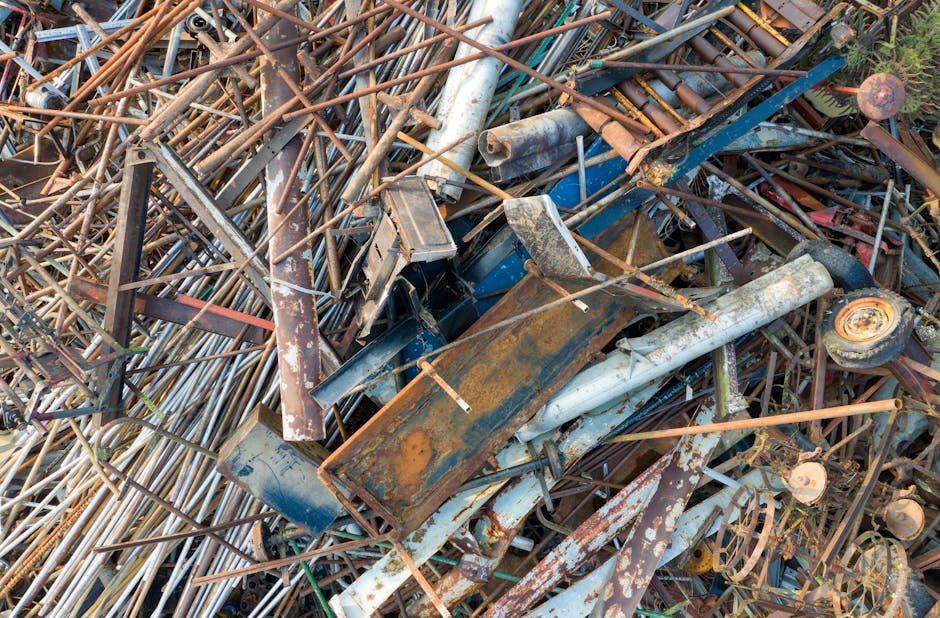

When you approach a scrap metal sell, understanding the nuances of the Australian market is the difference between a modest payout and a significant financial return. Whether you are a professional contractor clearing a demolition site or a homeowner cleaning out a garage, the process requires a strategic approach to sorting, cleaning, and timing your sale. Navigating the industry effectively means you must understand how to Sell Scrap by recognizing the specific grades that command higher prices. This guide provides the comprehensive framework needed to navigate the complexities of the industry, ensuring you secure the Scrap Metal Prices you deserve in the current economic landscape.
Understanding Metal Grades for Maximum Profit
The foundation of any successful scrap metal sell is the accurate identification and sorting of your materials. Ferrous metals, such as iron and steel, are magnetic and generally lower in value, whereas non-ferrous metals like copper, brass, aluminum, and stainless steel are significantly more valuable due to their infinite recyclability. Copper is the gold standard of the scrap world; whether it is bright shiny wire, copper piping, or plumbing fittings, keeping these clean and free from insulation or solder is paramount. Aluminum is categorized into various grades, including cast, extrusion, and sheet, with clean extrusion typically fetching the highest return. Brass and bronze require separation from steel attachments to ensure you are paid the premium rate rather than a mixed-scrap rate. By utilizing resources like Scrap Trade for identification, you ensure that your materials are correctly classified before they hit the scales. Always use a magnet to test your haul; if it sticks, it is likely ferrous, and if it does not, you are likely looking at a higher-value non-ferrous metal. Sorting these materials into distinct bins before arriving at the yard saves the dealer time and increases your leverage for negotiation.
How to Find Where to Sell and Negotiate
Finding a reliable partner is essential when you decide to Sell Scrap Metal Near Me In 2026. The best scrap dealer is one who maintains transparency regarding their weighing process and provides current, competitive market data. When searching for a facility, prioritize those that are members of recognized industry bodies, as they are more likely to adhere to strict environmental and ethical standards. You should always call ahead to confirm their current buying rates for specific grades, as these can fluctuate daily based on global commodity markets. If you are handling large volumes, inquire about bin services or collection options, which can streamline your logistics. For those looking for expert guidance, Scrap Trade Australia offers insights into regional market trends. Remember that a professional dealer will have certified scales, and you are entitled to see the weight reading clearly. If a dealer is hesitant to allow you to view the scale, take your business elsewhere. Building a long-term relationship with a single yard can also lead to better pricing tiers as you become a consistent, reliable supplier of high-quality, pre-sorted scrap.
The Logistics: Documents and Preparation
Preparation is the silent driver of profit. Before you head out to complete your scrap metal sell, ensure you have the necessary documentation. In Australia, government regulations require scrap dealers to verify the identity of sellers to combat the trade of stolen goods. You will almost certainly need a valid government-issued photo ID, such as a driver’s license or passport. Furthermore, if you are selling on behalf of a business, you may need an ABN and potentially a bank account for electronic funds transfer, as many states have moved away from cash transactions to comply with anti-money laundering laws. Clean your scrap. Removing non-metallic attachments like plastic, rubber, or wood is the single most effective way to increase your profit margin. A dealer will often apply a ‘deduction’ to dirty loads to account for the labor required to clean them; by doing this yourself, you capture that value. Review our comprehensive guide on How to Sell Scrap Metal: Best Price & Where to Sell to understand the specific documentation requirements for your state, as these can vary between jurisdictions.
The Mechanics of Recycling and Environmental Impact
Recycling metal is a cornerstone of the circular economy. Once you sell your scrap, it is processed, shredded, and melted down to be used as raw material for new manufacturing. This process is remarkably efficient; recycling aluminum, for instance, saves approximately 95% of the energy required to produce it from virgin bauxite ore. By participating in the scrap market, you are directly reducing the demand for destructive mining practices and lowering the carbon footprint of the metal industry. The environmental benefits extend to landfill diversion, as scrap metal is a major contributor to volume in waste streams. When you choose to recycle, you are supporting a sustainable supply chain that keeps valuable resources in use for decades. Modern recycling facilities use sophisticated technology, including eddy current separators and X-ray fluorescence, to ensure that even the smallest fragments of metal are recovered and repurposed. Your contribution, no matter how small, helps maintain the integrity of this essential industrial cycle.
Strategic Timing: When to Sell
Market timing is often overlooked by casual sellers but is a primary focus for professionals. Scrap metal prices are linked to global commodity exchanges like the London Metal Exchange (LME). When global demand for construction and manufacturing is high, prices for copper, steel, and aluminum rise accordingly. Keep an eye on economic news; if there is a surge in infrastructure projects, demand for copper and steel will likely increase. Conversely, seasonal slowdowns can sometimes lead to price dips. While you cannot always wait for the perfect market peak, avoiding selling during periods of extreme volatility or market uncertainty can protect your margins. Use digital tools to track price trends over a 30-day period. If you have the storage capacity, holding onto high-value materials like copper until prices trend upward can result in a significant difference in your final payout. Always balance the cost of storage and the risk of theft against the potential for higher future returns.
Common Pitfalls and How to Avoid Them
Many sellers lose money due to avoidable mistakes. The most common pitfall is failing to sort materials. Mixing low-value steel with high-value copper will result in the entire load being downgraded to the lowest common denominator. Another mistake is ignoring the ‘tare’ weight of your vehicle. Ensure your vehicle is weighed both before and after unloading to verify the net weight of your scrap. Do not accept vague explanations for pricing; if you are unsure why a load was graded a certain way, ask the yard manager for a demonstration of the sorting process. Theft is also a concern; never leave your scrap unattended in a public area, and ensure your transport is secure. Finally, be wary of ‘too good to be true’ prices offered by unlicensed or ‘backyard’ operators. These individuals often bypass safety and environmental regulations and may not pay the market rate, or worse, may be involved in illicit activities. Stick to established, licensed facilities to ensure your transactions are legal, secure, and fairly priced.
Scaling Your Scrap Operations
If you find that your scrap collection is becoming a regular source of income, consider formalizing your operations. This involves investing in better equipment, such as heavy-duty magnets, wire strippers for copper cable, and perhaps a trailer to increase your transport capacity. As your volumes grow, you may qualify for commercial pricing tiers, which are significantly higher than the rates offered to the general public. Networking with local tradespeople—plumbers, electricians, and builders—can provide you with a steady stream of high-quality scrap that they might otherwise discard. By positioning yourself as a professional collector, you create a symbiotic relationship where you solve their waste disposal problem while increasing your own inventory. Always prioritize safety; wear appropriate personal protective equipment (PPE) like heavy-duty gloves and steel-toed boots, as scrap metal is inherently sharp and heavy. Maintaining a clean, organized workspace for your scrap will also help you identify valuable items that might otherwise be hidden in a pile of debris, ensuring that you never leave money on the table during your next scrap metal sell.
Frequently Asked Questions
What is the most valuable metal I can sell?
Copper is consistently the most valuable common scrap metal. Specifically, clean, bright, shiny copper wire or piping fetches the highest prices at any reputable yard.
Do I need to clean my metal before selling it?
Yes, cleaning your scrap by removing plastic, rubber, wood, and other contaminants is essential. Clean metal is easier to process and will earn you a significantly higher price per kilogram.
Why do scrap prices change so often?
Scrap metal prices are driven by global commodity markets and the London Metal Exchange. Factors such as supply, demand, manufacturing activity, and global economic conditions cause these prices to fluctuate daily.
Is it legal to sell scrap metal for cash?
Most Australian states have implemented legislation that restricts or prohibits cash payments for scrap metal to deter theft. You will likely need to provide identification and receive payment via electronic funds transfer.