

Understanding the current price of scrap steel per kg is the cornerstone of a profitable metal recycling strategy. As a commodity, steel is subject to the volatile nature of global industrial demand, which directly impacts the rates offered by local Australian scrap yards. Whether you are a construction firm clearing a site, a mechanic shop managing offcuts, or an industrial manufacturer, knowing the mechanics behind the market rate allows you to time your sales for maximum return. This comprehensive guide, which serves as a foundational Scrap Steel Price Per Kg A Complete Guide For Sellers, breaks down the complex factors influencing your bottom line.
Understanding Market Dynamics: How Prices Are Set
The price of scrap steel per kg is not an arbitrary figure set by local yards; it is a derivative of the global steel price per tonne. When you look at metal prices today, you are seeing a reflection of the ‘ferrous’ market, which is driven by the production cycles of major steel mills in China, Japan, and Korea. These mills require consistent inputs of high-quality scrap to produce new mild steel products. When demand for construction-grade steel spikes, mills increase their purchasing activity, creating a supply-demand imbalance that drives prices upward. Conversely, when global manufacturing slows, the demand for scrap drops, leading to lower offers at the weighbridge.
Local Australian factors also play a significant role. Transportation costs, fuel prices, and the proximity of your scrap to a deep-water port determine the ‘spread’ or the margin that a scrap yard can offer. For example, a yard in a regional area may offer a lower price per kg compared to a metro facility because of the logistical burden of moving heavy steel to a processing hub. Furthermore, the Australian Dollar (AUD) exchange rate affects the cost of imported steel, which indirectly influences the local demand for recycled alternatives. If the AUD is weak, imported steel becomes expensive, making domestic scrap more attractive to local manufacturers, which can stabilize or increase your returns.
Categorizing Steel: Grades and Their Value
Not all scrap is created equal. To get the best price, you must understand the difference between high-value grades and low-value ‘dirty’ scrap. The most common category is heavy melting steel (HMS), which includes structural beams, plate, and large machinery parts. This is highly sought after because it is clean, dense, and easy to melt in an electric arc furnace. At the other end of the spectrum is light iron or ‘whitegoods’ scrap, which often contains contaminants like plastic, rubber, or glass. These items require extensive processing, which lowers the price per kg offered to the seller.
It is essential to distinguish between ferrous metals and non-ferrous alternatives. While ferrous metals like mild steel are the backbone of the industry, you should also be tracking the Stainless Steel Scrap Price, which is significantly higher due to the nickel and chromium content. Similarly, keeping an eye on the Aluminum Scrap Price In 2026 provides a broader view of your recycling portfolio. By separating your metals—keeping your clean steel separate from your mixed alloys—you ensure that you are paid for the highest possible grade, rather than the lowest common denominator.
The Logistics of Recycling: From Site to Mill
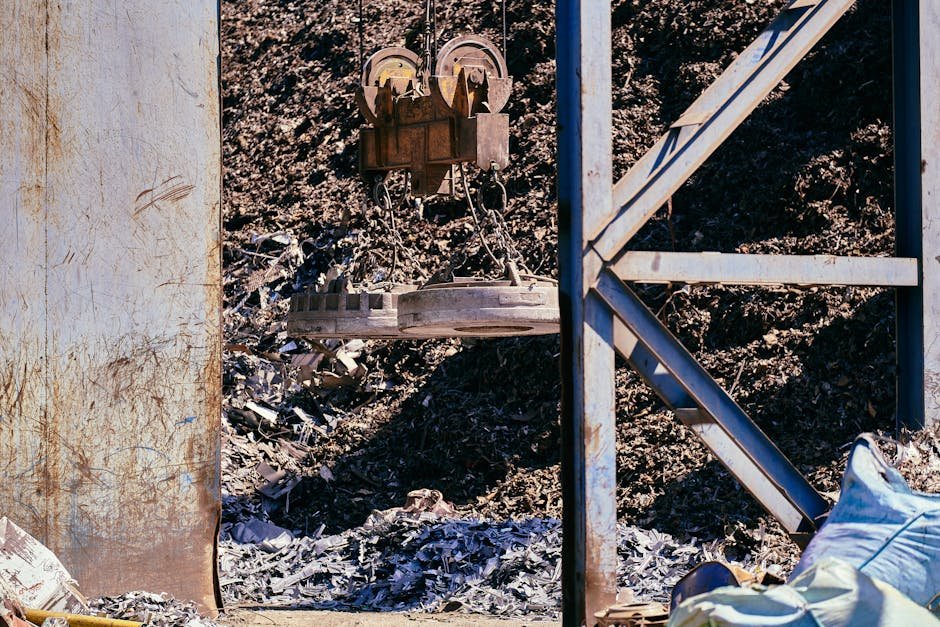
The recycling process is a sophisticated supply chain. Once you drop off your scrap, it is weighed on a certified scale. The yard then sorts the material using magnets for ferrous separation and optical sorters or handheld XRF analyzers for alloy identification. Large-scale shredders then reduce the steel into uniform pieces, known as ‘shred,’ which are then transported to steel mills. Here, the scrap is melted down to create new steel, a process that uses 75% less energy than producing steel from virgin iron ore.
For those looking to optimize their scrap management, partnering with a professional service like Scrap Trade Australia can provide the logistical support needed to move large volumes efficiently. If you are managing a large demolition project, consider the cost of skip bin hire versus the potential return of the scrap. Often, the value of the steel can offset the costs of site clearance, provided the scrap is sorted correctly before the truck arrives. Always consult our Steel Scrap Price: Current Market Trends & Recycling Guide to stay informed on the latest industry shifts.
Environmental and Economic Benefits
Recycling steel is one of the most effective ways to reduce industrial carbon footprints. Every tonne of recycled steel saves over a tonne of iron ore, 600kg of coal, and 50kg of limestone. By participating in the scrap market, you are not just generating revenue; you are participating in a circular economy that preserves natural resources. The economic argument is equally compelling: the recycling industry in Australia supports thousands of jobs in logistics, processing, and manufacturing. When you sell your scrap, you are fueling a local industry that keeps the Australian economy competitive on the world stage.
To maximize your environmental and financial impact, focus on ‘clean’ scrap. Remove non-metallic attachments, drain fluids from machinery, and ensure that your steel is free from hazardous materials. Yards are legally required to reject or charge a fee for contaminated loads, which can wipe out any profit you expected to make. By presenting clean, sorted loads, you build a reputation as a reliable supplier, which can sometimes lead to better pricing tiers with your local dealer.
Advanced Strategies for High-Volume Sellers
If you are a regular generator of scrap steel, you should move beyond the ‘spot price’ mentality. High-volume sellers can often negotiate contracts based on a fixed margin over the monthly average price. This protects your business from the daily volatility of the market and provides predictable cash flow. Maintain a clear record of your sales to track trends over time. If you notice a particular grade of steel consistently underperforming, investigate whether your sorting process is failing or if the local demand for that specific grade has shifted.
Technology is also changing how we trade. Using digital platforms to track metal prices today allows you to make data-driven decisions. Instead of selling on a whim, wait for market peaks. Monitor global indices like the London Metal Exchange (LME) for broader trends in industrial metals. While the LME tracks primary metals, the price of scrap steel per kg generally follows these trends with a slight lag. By staying proactive and informed, you transform scrap from a waste product into a consistent revenue stream, proving that responsible recycling is both a moral and financial imperative for any modern Australian business.
Future Outlook: Trends Shaping the Australian Market
The future of the scrap steel industry is inextricably linked to the global transition toward ‘green steel.’ As international pressure mounts to reduce emissions, steel mills are increasingly prioritizing scrap-based production over coal-heavy blast furnaces. This shift is expected to place a premium on high-quality, low-contaminant scrap. Consequently, the price of scrap steel per kg will likely see upward pressure as demand for ‘green’ raw materials outstrips supply. For the savvy recycler, this means that investing in better sorting equipment and cleaner handling processes today will yield significant dividends in the coming years.
Furthermore, the rise of the circular economy is influencing government policy. We are seeing more stringent regulations regarding waste disposal and a greater emphasis on resource recovery. This regulatory environment will likely formalize the scrap trade even further, leading to more transparent pricing and improved safety standards across the industry. Whether you are a small business owner or a large industrial operator, the message is clear: the value of your scrap is rising, and the infrastructure to support your recycling efforts is becoming more robust. Keep your eyes on the market, maintain your sorting standards, and continue to leverage the expertise of industry leaders to ensure you are always getting the best possible value for your material.
Frequently Asked Questions
What is the most important factor when selling scrap steel?
The most important factor is the ‘cleanliness’ of your scrap. Removing non-metallic contaminants like plastic, rubber, and wood significantly increases the grade and the price you receive per kilogram.
How often do scrap steel prices change?
Scrap steel prices can fluctuate daily or weekly depending on global commodity markets and local mill demand. It is best to check current rates with your local yard immediately before you plan to sell.
Does the volume of scrap I have affect the price per kg?
Yes, large volumes of sorted, high-quality steel often command a higher price per kg. Scrap yards may offer better rates to industrial clients who provide consistent, clean, and large quantities of material.
Why is there a difference between ferrous and non-ferrous scrap prices?
Ferrous metals, like mild steel, are abundant and have different processing requirements than non-ferrous metals like copper or aluminum. Non-ferrous metals are generally rarer and more energy-intensive to extract, leading to higher market prices.