

Navigating the volatile world of copper prices scrap requires a deep understanding of both global economic indicators and local market dynamics. Whether you are a professional tradesperson or a dedicated recycler, knowing the current market value per kg is the first step toward ensuring you receive a fair return for your material. In the Australian market, copper remains one of the most valuable commodities in the recycling sector, driven by its infinite recyclability and essential role in the global energy transition. This guide provides the authoritative framework needed to understand how these values shift and how you can optimize your scrap collection strategy.
How Global Markets Influence Copper Price Per Kg
The copper market is a global beast, primarily dictated by the London Metal Exchange (LME). When you look up Scrap Metal Prices, you are essentially looking at a localized reflection of global supply and demand. Several factors drive these fluctuations daily. First, industrial demand from major economies like China significantly impacts the price. If construction or infrastructure projects in these regions slow down, global demand drops, pushing prices lower. Conversely, a surge in manufacturing, particularly in the electric vehicle (EV) and renewable energy sectors, creates a supply deficit that drives prices upward.
Second, currency exchange rates play a massive role. Because copper is traded in US Dollars, the strength of the Australian Dollar (AUD) against the USD directly influences the price paid at your local yard. When the AUD is strong, imported goods become cheaper, but exports like scrap metal may see price adjustments. Third, mining output and geopolitical stability in major copper-producing nations like Chile and Peru cause supply chain bottlenecks. Any disruption in these regions leads to immediate price volatility. Understanding these macro factors is essential for anyone tracking Scrap Copper Prices Near Me, as local yards adjust their buy prices daily to hedge against these global shifts.
Decoding Copper Grades: Maximizing Your Payout
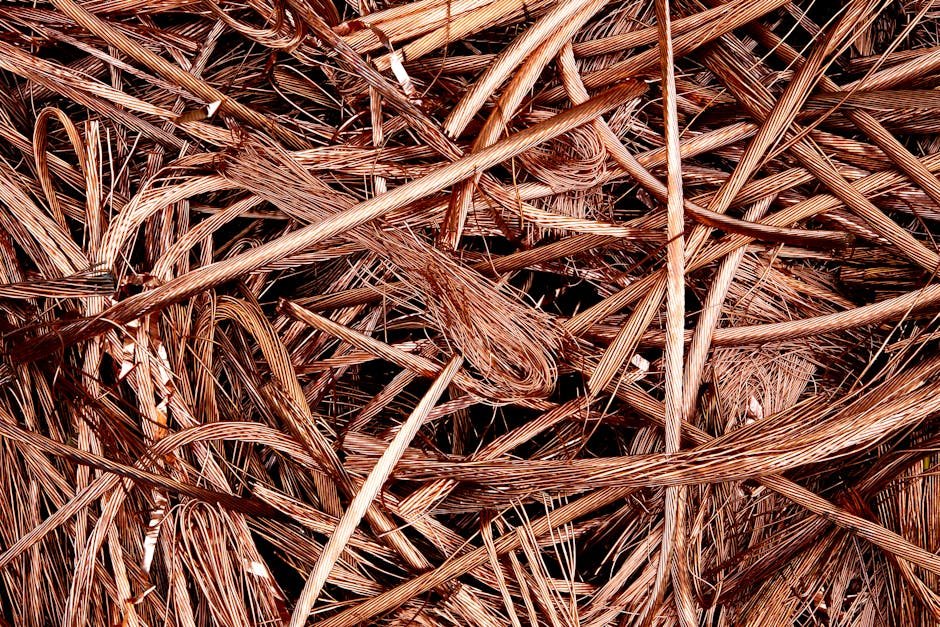
Not all copper is created equal. To get the best price per kg, you must understand the grading system used by recyclers. The purity of the metal is the primary determinant of its value. Bare bright copper is the gold standard; it consists of clean, unalloyed, uncoated, and uninsulated copper wire, typically 16 gauge or thicker. Because it requires minimal processing, it commands the highest price. If you have significant amounts of this, you should prioritize separating it from your other scrap.
Number 1 copper includes clean copper pipe and tubing that is free of fittings, solder, or paint. This is highly sought after by refineries. Number 2 copper is a broader category that includes wire with some solder, minor oxidation, or fittings. It is still valuable but requires more intensive processing to remove impurities. Finally, there is insulated copper wire, which is graded based on the percentage of copper recovery. A thick, high-voltage cable will have a higher recovery percentage than thin, multi-strand data cable. By effectively stripping or sorting your Scrap Copper, you move material from lower-value categories to higher-value ones, significantly increasing your total profit.
The Mechanics of Recycling: From Yard to Refinery
The recycling process is a marvel of industrial efficiency. Once you drop off your scrap, the yard performs a quality check. They use spectrometers or simple visual inspection to ensure the material matches the grade you claimed. The material is then weighed on certified scales. The yard then consolidates these smaller loads into large shipping containers or bulk shipments to be sent to domestic or international smelters. At the refinery, the copper is melted down in furnaces, where impurities are removed through electrolysis or fire refining. The resulting high-purity copper is then cast into rods or ingots, ready to be manufactured into new electrical wiring, plumbing components, or automotive parts. This closed-loop system is why copper is one of the most sustainable materials on the planet. For more in-depth insights into local market trends, visit Scraptrade.com.au to see how regional facilities manage these massive volumes of material.
Environmental Benefits and the Circular Economy
Recycling copper is not just a financial incentive; it is a critical environmental necessity. Mining virgin copper is an energy-intensive process that involves massive land disruption, water usage, and carbon emissions. By contrast, recycling copper uses up to 85% less energy than producing it from raw ore. Furthermore, copper does not lose its physical or chemical properties during the recycling process, meaning it can be recycled infinitely without degradation. This makes it a cornerstone of the circular economy. Every kilogram of copper you recycle reduces the demand for new mining operations, effectively preserving ecosystems and reducing the carbon footprint of the construction and manufacturing industries. As Australia moves toward a net-zero future, the importance of efficient copper recycling becomes even more pronounced, positioning scrap collectors as vital participants in the national sustainability strategy.
Strategic Tips for Consistent Returns
If you want to master the art of scrap trading, you must treat it like a business. Consistency is key. Start by building a relationship with a reputable local yard. Yards that value long-term clients are often willing to offer slightly better rates or provide better service. Keep a log of your sales to track how Scrap Copper Prices in Australia: Market Value & Recycling Guide fluctuate over time. This data will help you decide when to hold your material and when to sell. Always keep your copper clean. Contamination is the number one reason for price downgrades. If you are stripping wire, invest in a quality wire stripping machine; the time saved and the higher grade achieved will pay for the tool in a matter of weeks. Avoid mixing metals; keep brass, steel, and aluminum separate from your copper. Even a small amount of iron contamination can downgrade a load of copper from Number 1 to Number 2, costing you significant money per kilogram.
Future Trends in the Copper Market
The future of copper is intrinsically linked to the global energy transition. As the world shifts toward renewable energy, the demand for copper in wind turbines, solar panels, and high-voltage transmission lines is expected to skyrocket. Some analysts predict a structural deficit in copper supply by the end of the decade. For the scrap metal industry, this suggests a long-term upward trend in value. However, technological advancements in recycling, such as automated sorting using artificial intelligence and X-ray fluorescence, are also changing the landscape. These technologies allow yards to process lower-grade material more efficiently, which may narrow the price gap between various grades of copper. Staying informed on these technological shifts will give you an edge in the market. As you continue your journey in scrap trading, remember that the best results come from a combination of market knowledge, proper preparation, and the strategic selection of reliable partners.
Conclusion: Taking Action
Successfully navigating the market for copper prices scrap is a process of continuous learning. By understanding the global factors that drive price, mastering the art of sorting and grading, and recognizing the vital role recycling plays in the environment, you are well-positioned to maximize your returns. Always prioritize safety when handling scrap, especially when dealing with heavy pipes or sharp wire. Maintain a clean workspace and keep your materials organized. Whether you are clearing out a job site or building a collection over time, every kilogram counts. Use the resources available to you, stay updated on daily price shifts, and treat your scrap as a valuable commodity. With the right approach, you can turn your waste into a consistent revenue stream while contributing to a greener, more sustainable Australia.
Frequently Asked Questions
What is the difference between bare bright and number 2 copper?
Bare bright copper is clean, uninsulated, and untarnished wire, which fetches the highest price. Number 2 copper typically contains impurities like solder, light oxidation, or paint, requiring more processing and thus receiving a lower price per kg.
How often do copper prices change?
Copper prices change daily based on the London Metal Exchange (LME) and currency fluctuations. Local scrap yards typically update their buy prices every morning to reflect these global movements.
Does the insulation on wire affect the price?
Yes, insulation significantly affects the price because it must be removed to recover the copper. Recyclers pay based on the estimated ‘recovery percentage’ of copper within the insulated cable.
Why is it important to separate my scrap metal?
Separating your metals prevents contamination, which is the primary reason for price downgrades. Keeping copper separate from steel, brass, or aluminum ensures you receive the maximum grade value for your specific copper load.