
Crafting a high-converting bulk aluminium b2b supplier email is the foundational step for any business looking to scale its operations within the Australian metal recycling industry. Whether you are a manufacturing firm offloading production waste or a recycling facility looking to secure consistent feedstock, the way you communicate your requirements to potential suppliers dictates your long-term success. In a market defined by volatile commodity prices and strict quality standards, your initial outreach must demonstrate professionalism, technical knowledge, and logistical readiness. By mastering the art of the bulk aluminium b2b supplier email, you position your business as a serious player in the global supply chain, ensuring that your inquiries are prioritized by major wholesalers and industrial collectors.
Understanding the Australian Aluminium Scrap Market
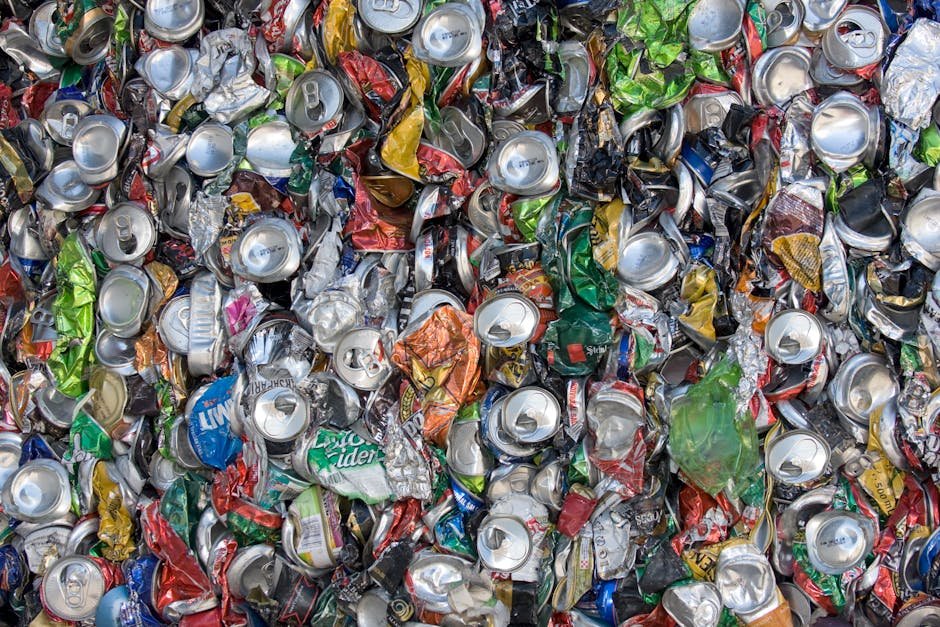
The Australian aluminium recycling sector is a sophisticated ecosystem that demands precision. From high-grade aluminium extrusion generated by window frame fabricators to the massive volumes of aluminium cans collected through container deposit schemes, the diversity of feedstock is immense. Understanding the current aluminium price is only half the battle; the other half is knowing how to communicate your needs to the right partners. When you send a bulk aluminium b2b supplier email, you are entering a competitive arena where reliability is the currency of choice.
For businesses looking to optimize their procurement, it is essential to categorize your scrap metal needs. Are you seeking clean, post-industrial offcuts, or are you equipped to process mixed, contaminated scrap? Suppliers need to know your processing capabilities upfront. If you are just starting your journey, our Bulk Aluminium Scrap Buying Guide provides the necessary framework to evaluate material grades and purity levels. Furthermore, for those operating in specific regions, finding local partners is often the most efficient route. You can easily search for aluminium scrap near me to identify regional collectors who can facilitate smaller, more frequent shipments before moving to bulk B2B contracts.
Structuring Your Outreach for Maximum Impact
A professional email to a supplier must be structured to minimize friction. Suppliers are inundated with low-quality inquiries; yours must stand out through clarity and technical accuracy. Start with a clear subject line, such as “RFQ: Bulk Aluminium Supply – [Your Company Name] – [Volume Required].” In the body of the email, include the following:
- Material Specification: Define whether you need 6063 extrusion, UBC (Used Beverage Cans), or mixed twitch.
- Volume Requirements: Specify your monthly or quarterly tonnage requirements.
- Logistics: Clarify if you require FOT (Free on Truck) or delivered pricing to your facility.
- Payment Terms: State your standard payment cycle, which builds immediate credibility.
By providing these details, you demonstrate that you understand the complexities of the industry. This is particularly important if you are diversifying your portfolio; for instance, if you are also looking to expand into other non-ferrous metals, you might find our guide on How To Sell Bulk Brass Scrap Internationally highly informative for understanding export compliance and cross-border logistics.
The Role of Digital Communities in Metal Trading
While email is the standard for formal B2B negotiations, the speed of the modern market often requires more agile communication channels. Many traders now leverage instant messaging to discuss daily price fluctuations or to alert partners of available inventory. Joining an Aluminium Scrap Whatsapp Group can provide you with real-time market intelligence that you simply cannot get from traditional emails alone. These groups allow you to verify supplier reputations, discuss current market trends, and even find emergency supply when your primary channels are constrained.
However, digital communities should complement, not replace, your formal procurement strategy. Use these groups to build relationships, but always follow up with a formal email to ensure that terms, conditions, and specifications are documented in a legally binding format. For those located in Tasmania, specialized regional networks are vital. You can connect with local industry players through scrap aluminium recycling hobart initiatives to ensure you are capturing the best local supply before looking to the mainland or international markets.
Navigating Quality Standards and Contamination
One of the biggest pitfalls in bulk trading is the presence of contaminants. Al recycling is a process that relies heavily on chemical purity. If your shipment of aluminium scrap arrives with excessive plastic, steel, or rubber, the cost of sorting can erode your profit margins entirely. In your B2B supplier email, always request a detailed analysis or photos of the material. Ask for the percentage of recovery expected after smelting. This level of due diligence is expected in professional B2B transactions and marks you as an expert buyer.
The Australian market is strictly regulated regarding environmental compliance. Ensure your suppliers are licensed to handle scrap metal and that they adhere to EPA guidelines. When you source through a reputable platform like Scrap Trade, you gain access to verified suppliers who understand these regulatory burdens, significantly reducing your risk profile. Furthermore, for comprehensive market data and trade tools, visit Scrap Trade Australia to stay updated on the latest shifts in local and international trade laws.
Managing Logistics and Supply Chain Risks
Logistics in the Australian continent present unique challenges due to the vast distances between major industrial hubs. When negotiating bulk supply, the cost of freight can often exceed the value of the material if not managed correctly. Your email should always ask for the “Incoterms” being used. Are you responsible for the freight from the supplier’s yard, or is the supplier delivering to your gate? This distinction is critical for your bottom line.
Furthermore, consider the seasonality of supply. Certain industries, such as construction, have peak periods where aluminium extrusion availability spikes. By planning your procurement cycle around these industrial patterns, you can secure better pricing. Always include a “validity period” for your offer or request in your email, as the aluminium price can shift significantly within a 48-hour window. Being transparent about your timeline forces the supplier to provide their best possible quote immediately.
Scaling Your Operations: From Local to Global
Once you have mastered the B2B email process, the next step is scaling your volume. This involves moving from spot-buying to long-term supply contracts. A well-written email is just the introduction; the goal is to establish a recurring partnership. When you have proven your reliability as a buyer—by honoring payment terms and communicating clearly—suppliers will often offer you first right of refusal on high-quality scrap loads. This is the ultimate advantage in a market where quality material is often in short supply.
Remember that the scrap metal industry is built on long-term relationships. Even in a digital-first world, a phone call to follow up on your email can distinguish you from competitors who rely solely on automated outreach. Treat your suppliers as partners, not just vendors. Share your growth plans with them; if they know you are expanding, they can adjust their collection efforts to meet your future needs. This proactive communication is the hallmark of a successful procurement manager in the metal recycling sector.
Future-Proofing Your Metal Sourcing Strategy
The global shift toward a circular economy is placing unprecedented value on recycled metals. As manufacturers face increasing pressure to lower their carbon footprint, the demand for secondary aluminium will only continue to rise. By establishing a robust network of suppliers today, you are future-proofing your business against supply chain disruptions. The transition to a circular model is not just about environmental responsibility; it is a strategic business move that secures your access to essential raw materials.
Keep a close eye on technological advancements in sorting, such as X-ray fluorescence (XRF) and laser-induced breakdown spectroscopy (LIBS). These tools are becoming standard in modern recycling facilities. If you are dealing in high volumes, understanding how your suppliers utilize these technologies can help you negotiate better quality guarantees. Always ask in your B2B communications about the sorting methods employed by the supplier. This shows you are a sophisticated buyer who understands the technical side of the industry.
Conclusion: Building Your Competitive Edge
Success in the bulk metal trade is not accidental; it is the result of deliberate, professional communication and a deep understanding of the market. By utilizing the strategies outlined in this guide, you can draft a bulk aluminium b2b supplier email that commands respect and yields results. Whether you are dealing with aluminium extrusion, aluminium cans, or high-grade industrial scrap, your ability to articulate your needs clearly will set the tone for your business relationships. Remember to leverage the resources available at Scrap Trade to stay connected with the industry, and never stop refining your approach to procurement. The Australian aluminium market is vibrant and full of opportunity for those who are prepared to engage with it professionally and consistently.
Frequently Asked Questions
What is the most important detail to include in a bulk aluminium B2B supplier email?
The most important detail is your clear material specification, including the grade of aluminium and your exact volume requirements. Providing this upfront saves time and ensures the supplier can provide an accurate quote immediately.
How often should I update my supplier contacts regarding price expectations?
Given the volatility of the aluminium price, it is best to confirm pricing terms with your suppliers on a weekly or per-shipment basis. Establishing a recurring communication cadence ensures both parties are aligned with current market conditions.
Are there specific certifications I should ask for in my initial email?
Yes, you should inquire about the supplier’s environmental and waste management licenses. Ensuring your suppliers comply with Australian EPA standards is critical for your own business’s legal and ethical compliance.
How can I find reliable bulk suppliers if I am new to the industry?
Start by using established trade platforms like Scrap Trade to verify supplier credentials. Additionally, joining industry-specific groups, such as an aluminium scrap WhatsApp group, can help you gain insights into supplier reputation and market reliability.