
Understanding hms scrap is essential for anyone involved in the industrial metal sector. As the backbone of the global steel industry, Heavy Melting Steel (HMS) represents the most traded category of ferrous metal. Whether you are a demolition contractor, a manufacturing plant manager, or an investor, knowing the nuances of this material is vital. If you are looking to Sell Scrap, understanding the specific requirements for HMS is your first step toward maximizing your return on investment. The What Is Scrap Trade guide provides a broader context for how these materials move through the global supply chain, but here, we will focus specifically on the technical and environmental significance of HMS.
The Classification of HMS Scrap: Grades 1 and 2
In the world of ferrous metals, not all steel is created equal. The classification of hms scrap is strictly governed by standards that ensure the material can be efficiently melted in an electric arc furnace (EAF) or a basic oxygen furnace (BOF). The two primary grades are HMS 1 and HMS 2.
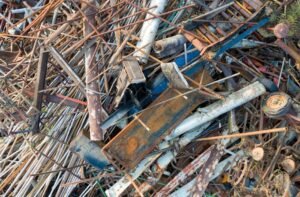
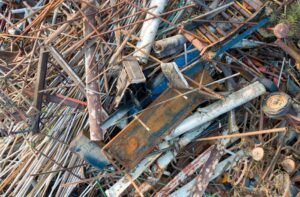
HMS 1 is the high-quality, “clean” grade. It consists of heavy wrought iron and steel scrap, typically at least 6mm thick. It must be free of alloy steel, cast iron, and excessive oxidation. Because it is free of contaminants, it is highly sought after by mills that require a consistent chemical composition for high-grade steel production. In contrast, HMS 2 includes material that is slightly thinner—usually around 3mm to 6mm—and may contain some surface rust or minor non-metallic inclusions. While HMS 2 is slightly lower in value than HMS 1, it remains a vital component of the recycling stream. Many scrap buyers will purchase both grades, often blending them to meet specific furnace requirements. Understanding these grades is critical when you decide to Scrap your excess inventory, as incorrect sorting can lead to significant price downgrades.
The Industrial Recycling Process: From Site to Furnace
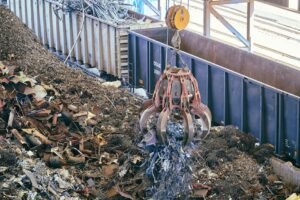
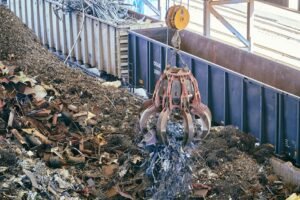
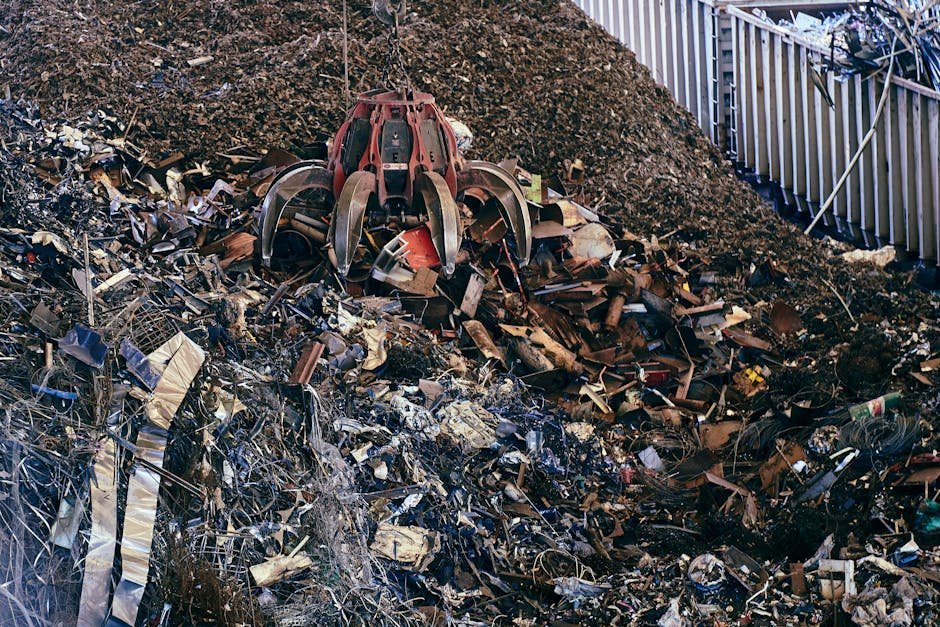
The journey of steel from a decommissioned bridge or factory floor to a new product is a marvel of industrial efficiency. The process begins with collection and segregation. Large-scale projects often utilize scrap containers to manage the volume of material generated during demolition or manufacturing. Once collected, the material is transported to a processing facility.
At the facility, the material undergoes rigorous sorting. Advanced technology, including magnetic separators and X-ray fluorescence (XRF) analyzers, is used to ensure the chemical integrity of the batch. For HMS, the primary processing step is shearing or torch cutting. Because furnaces have specific size limitations—usually 1.5 meters by 0.5 meters—the bulky steel must be reduced to these dimensions. This preparation is what transforms raw waste into a standardized commodity. Once processed, the material is baled or loaded in bulk for transport to steel mills. You can find more information on how to manage your logistics through our official scrap trading platform, or explore regional options via Australian scrap industry experts.
Environmental Benefits of Steel Recycling
The recycling of hms scrap is one of the most effective environmental strategies in the modern industrial world. Steel is unique because it can be recycled infinitely without losing its inherent properties. Every tonne of steel recycled saves approximately 1.5 tonnes of iron ore, 0.5 tonnes of coal, and 40% of the water required for primary steel production.
Furthermore, the energy savings are immense. Using recycled steel in an EAF consumes up to 75% less energy than producing steel from virgin iron ore. This directly translates to a significant reduction in carbon emissions. By choosing to recycle, companies are not just managing waste; they are actively participating in the decarbonization of the global manufacturing sector. In Australia, where industrial sustainability is becoming a key regulatory focus, the ability to document the recycling of your ferrous waste can provide a competitive advantage and help meet ESG (Environmental, Social, and Governance) targets.
Logistics and Handling: Maximizing Efficiency
Handling heavy materials requires specialized equipment and a strategic approach. Whether you are dealing with structural steel beams or heavy plate offcuts, the logistical footprint of your scrap operation can significantly impact your bottom line. The use of appropriate scrap containers is the most overlooked aspect of site management. Using the correct size and type of container ensures that you are not paying for empty air during transport, which is a major hidden cost in the scrap industry.
Furthermore, site safety is paramount. Heavy steel is inherently dangerous to move. Proper training for staff, the use of electromagnetic lifting gear, and clear segregation zones are non-negotiable. When you engage with professional scrap buyers, they will often provide guidance on how to optimize your site layout to improve turnaround times. By streamlining the flow of material from the point of origin to the container, you reduce labor costs and increase the safety of your operation.
Global Market Trends and Pricing Factors
The price of HMS is a global indicator of industrial health. Because it is a commodity, its value fluctuates based on supply and demand dynamics, energy costs, and geopolitical factors. In Australia, the local market is heavily influenced by the export demand from major steel-producing nations in Asia. When demand for construction steel rises, the demand for HMS follows suit.
Investors and business owners should monitor the “spread” between HMS 1 and HMS 2. A narrowing spread often indicates a shortage of high-quality material, while a widening spread suggests an oversupply of lower-grade material. Staying informed through resources like the What Is Scrap Trade portal helps participants anticipate these shifts. It is also important to consider the impact of currency fluctuations. Since scrap is often priced in USD, the strength of the Australian Dollar can significantly affect the local price per tonne. By maintaining a consistent relationship with reputable scrap buyers, you can better navigate these volatile cycles.
Best Practices for Preparing Your Scrap
Preparation is the difference between a high-value load and a rejected batch. If you intend to Sell Scrap, you must ensure it meets the “clean” criteria. This means removing non-ferrous attachments like copper wiring, brass fittings, or aluminum components. While these materials are valuable in their own right, mixing them with your HMS will lead to contamination, which can result in the entire load being downgraded to a lower price point or rejected entirely.
Additionally, ensure your material is free from hazardous substances. Sealed containers, gas cylinders, and radioactive materials are strictly prohibited. Mills have sophisticated detection systems that will identify these items, and the consequences can be severe, ranging from heavy fines to legal action. Always document your source of supply. If you are a demolition contractor, keep records of the site of origin. This transparency is increasingly required by buyers to ensure that the material is free from environmental liabilities. When you Scrap your materials responsibly, you protect your reputation and ensure the longevity of your business relationships.
The Future of Steel Recycling in Australia
The Australian scrap industry is at a crossroads. With the global push toward a circular economy, the demand for high-quality recycled steel is expected to grow. New technologies, such as hydrogen-based steelmaking, are being developed to further reduce the carbon footprint of the industry. These technologies will rely heavily on high-purity scrap as a feedstock, potentially increasing the value of premium HMS grades even further.
For businesses, the future lies in digital integration. Using platforms to track material volumes, monitor market prices in real-time, and coordinate logistics will become the standard. The ability to provide data-backed reports on the carbon savings achieved through your recycling efforts will become a valuable asset in your corporate portfolio. As we look ahead, the integration of AI in sorting and the optimization of supply chains will make the process of recycling more transparent and profitable than ever before. By positioning your business as a reliable source of high-quality HMS, you are securing a place in the sustainable supply chain of the future.
Conclusion: Taking Action
The management of HMS is more than just a waste disposal task; it is a critical business function that impacts your profitability and environmental footprint. By understanding the grades, optimizing your logistical processes, and building strong relationships with professional buyers, you can transform your scrap metal from a logistical burden into a revenue stream. Whether you are ready to Sell Scrap or looking to learn more about the industry, the key is to stay informed and proactive. Visit our comprehensive trading portal to get started today, and ensure your operations are aligned with the highest standards of the industry.
Frequently Asked Questions
What is the main difference between HMS 1 and HMS 2?
HMS 1 consists of thicker, cleaner steel (at least 6mm thick) free of contaminants, while HMS 2 is thinner (3mm to 6mm) and may contain minor surface rust or non-metallic inclusions.
Why is HMS scrap so important for the environment?
Recycling HMS saves significant amounts of energy and raw materials compared to producing virgin steel, drastically reducing carbon emissions and water usage in the manufacturing process.
How can I get the best price for my scrap steel?
To maximize your returns, ensure your scrap is properly sorted, free from non-ferrous contaminants, and cut to the specific size requirements of the furnace.
Are there specific items that should never be included in HMS scrap?
Yes, you must never include sealed containers, gas cylinders, radioactive materials, or hazardous waste, as these pose severe safety risks and will lead to load rejection.