

Can you get money for old copper Australia? Yes, and it pays more per kilogram than any other common household scrap. What you get depends almost entirely on the grade you sort it into before you leave the house.
Copper trades against the London Metal Exchange benchmark, and scrap buyers set their per-kg rates as a share of it. On 29 October 2026, LME copper cash settlement was US$14,560 a tonne, about A$20.64/kg at the RBA rate of US$0.7053. Scrap always pays below that, because the buyer has to process, freight and resell the material.
Can you get money for old copper Australia? What it's worth
Work backwards from the benchmark to sanity-check any offer. Say a yard offers $12/kg for bare bright wire. That's about 58% of the A$20.64 benchmark, a plausible share for clean, sorted copper. The exact share varies by yard, grade and day, and insulated cable pays much less because the yard is only buying the copper inside the plastic.
For a dated example of the spread: buyers in Adelaide and Perth were recently advertising bright and #1 copper well below the benchmark, with insulated cable paying roughly half that or less. Treat those as examples, not quotes. And a per-kg figure without a date is useless; if a website shows a price but no date, assume it's stale.
The four grades that decide your price
Bare bright wire is the top-paying grade. Clean, uninsulated, uncoated, unalloyed copper wire with no solder, no plating and no tarnish. The strands need to be solid and reasonably thick; thin hair-like strands from electronics cords don't count as bright, even stripped.
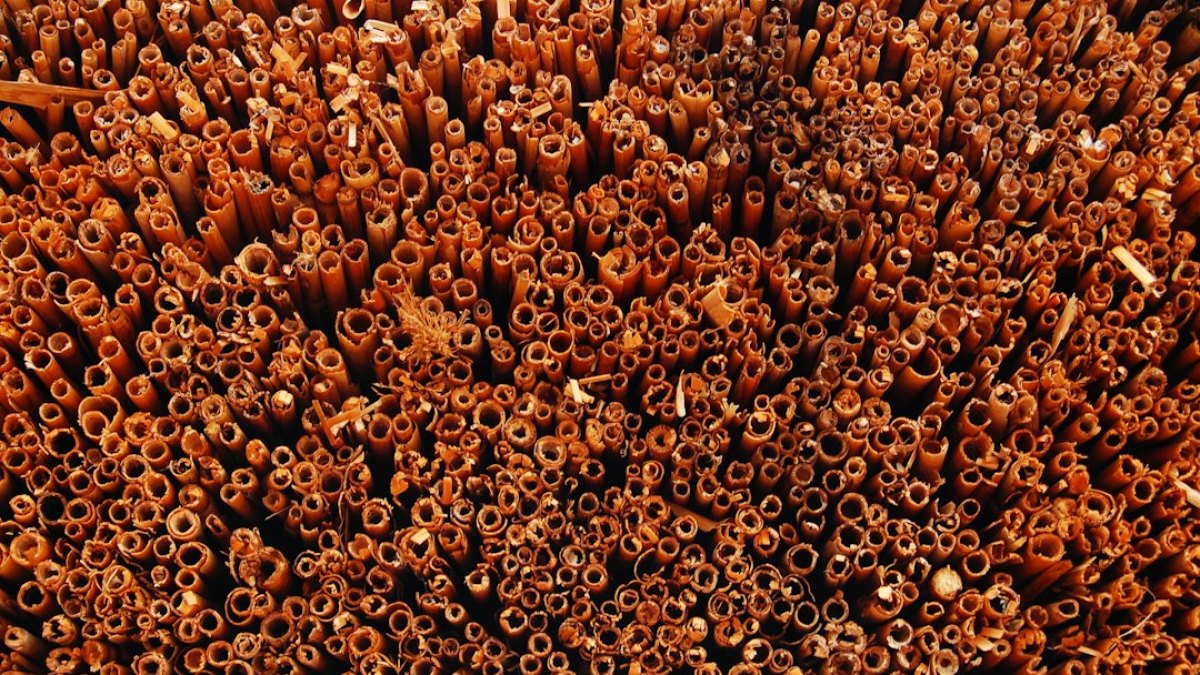
Copper #1 is clean copper tubing, bus bar and wire at least 1/16 inch thick. Minor tarnish is fine, but it should still be uncoated and unalloyed.
Copper #2 is copper that may have solder, paint or light oxidation. Burnt copper and thin hair-like wire from electronics cords usually land here too, and some yards grade it down further or reject it outright.
Insulated copper cable is copper still wrapped in plastic or rubber insulation. It's paid on recovered copper content, not scale weight, which is the part that trips people up. Content varies a lot by cable type: a heavy power cable might be mostly copper, a thin appliance cord mostly plastic.
Why yards pay less for insulated wire
Insulated cable only recovers part of its weight as copper, and that share varies by cable type. So a 10 kg load might be paid on considerably less than 10 kg of copper, and at a lower per-kg rate than bright. The yard isn't cheating you; it's pricing in the plastic it has to dispose of. Everything attached to the copper costs you.
Most sellers lump everything into one load. The bright wire, the soldered fittings and the insulated cable go in the same bin, and the whole lot gets paid at #2 or insulated rates. Sorting into separate piles before the trip is the biggest pay rise available, and it costs you twenty minutes with a bucket.
The classic mistake is burnt wire. Burning insulation off drops the material to #2 or gets the load rejected, and burning cable is illegal in many circumstances. Never burn it, and don't use chemical stripping either. The smell and scorched look tell the buyer exactly what happened.
Is stripping wire worth the effort
Sometimes. Thick cable with insulation that peels off cleanly justifies stripping. Thin cable with hair-like strands may not, because you can spend an hour with a knife for a few dollars of grade difference. Rule of thumb: if stripping a coil takes an hour and adds a few dollars, skip it; a trailer load of thick cable, strip it. One check first: thin electronics wire may be graded down or rejected even when stripped, so ask the buyer before you spend the evening on it.
How to check an offer before you drive anywhere
The worry is that a yard will just make up a price. Divide the per-kg offer by the current LME benchmark in Australian dollars to see the share you're being paid, then compare two or three buyers. If one offer is well below the benchmark share and another is closer to it, you know which yard to visit.
Insist that weighing happens in front of you, on a scale you can see. If a buyer won't weigh in front of you, sell somewhere else.
ScrapTrade's calculator lists Copper Bare Bright Wire, Copper #1, Copper #2 and Insulated Copper Cable, and the marketplace shows current listings and offers. Calculator values are indicative, not live bids, so the yard may pay less. Confirm the price on the day too: a quote from last week can change before you unload.
The legal side: ID and the cash ban
In NSW, the Scrap Metal Industry Act 2016 applies to scrap metal dealers. Expect to show ID when you sell, and cash is banned: section 12 prohibits payment in cash, by cheque payable to cash, or in kind with goods or services. Payment has to be by traceable means instead, so expecting cash in NSW will get you turned away.
Other states are moving in the same direction on ID and payment rules, but what's in force varies, so confirm the current requirements with your local regulator before you sell.
How to sell it and get paid properly
Sort your grades into separate piles first. Remove steel, brass and plastic fittings. Strip insulation where it's safe and practical, and never burn cable. Keep bare bright away from #2, because once they're mixed, the whole lot is #2.
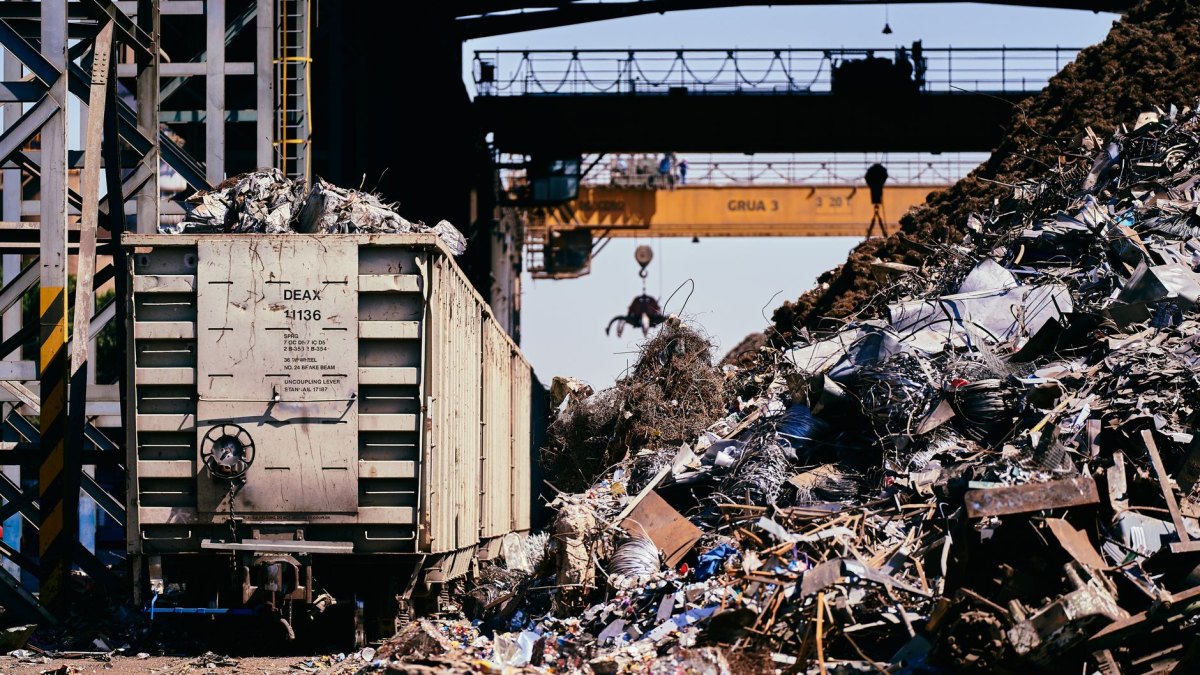
Then pick a route. List it on ScrapTrade with the closest accurate grade, honest condition notes, clear photographs and an estimated weight, and let buyers come to you. Or take it to a local yard with the ID and payment rules sorted. Either way, check each offer against the LME benchmark before you accept.
FAQs
Can you get money for old copper Australia-wide?
Yes, in every state and territory. The grade rules and the LME benchmark are national, but ID requirements and payment methods differ, so check your state's rules before you sell.
How much is copper worth per kg right now?
Check a live scrap price calculator rather than a figure you saw last month. What you get depends on grade, cleanliness, volume and freight, so compare the indicative value against current buyer offers.
Do scrap yards pay cash for copper?
Not in New South Wales. The Scrap Metal Industry Act bans scrap-metal dealers paying cash, including cheques payable to cash or payment in goods or services. Rules differ elsewhere, so confirm the payment method with the buyer before collection.
Do I need ID to sell copper scrap?
Often yes, but requirements depend on your state or territory and whether you're selling as a business, so check with your state regulator.
What's the difference between bright copper and number 2 copper?
Bare bright copper is clean, uncoated, unalloyed wire with the insulation removed, and it earns the top rate. Copper #2 can carry solder, paint or light oxidation, so it fetches less. If your material sits between the two, describe it honestly and let the buyer confirm the grade.
Can I burn the insulation off copper wire?
No. Burning cable or using chemical stripping is not acceptable, and burnt copper will be discounted or rejected. Strip insulation mechanically where it's worth the effort, or sell thicker insulated cable as insulated copper cable and let the buyer handle it.
Is it worth stripping copper wire?
Sometimes. Stripping pays off when the wire is thick, clean and easy to strip by hand, because bare bright rates well above insulated cable. Thin household cable or wire with stubborn insulation often isn't worth the hours; sell it as insulated copper cable instead.