


Clean offcuts from an AC install are #1 copper, which is the grade most installers are chasing when they search for the copper offcuts scrap price per kg. It only holds if the bin is clean. A brazed elbow or a foam-wrapped suction line can drag the load down to #2, which pays below the top rate. We found no sourced current Australian rate, so none is published here.
Copper offcuts scrap price per kg: where the number moves
Clean refrigeration tube offcuts grade as #1 copper. Insulated cable is paid on its recoverable copper content, so grade and attachments move the number far more than which city you are in.
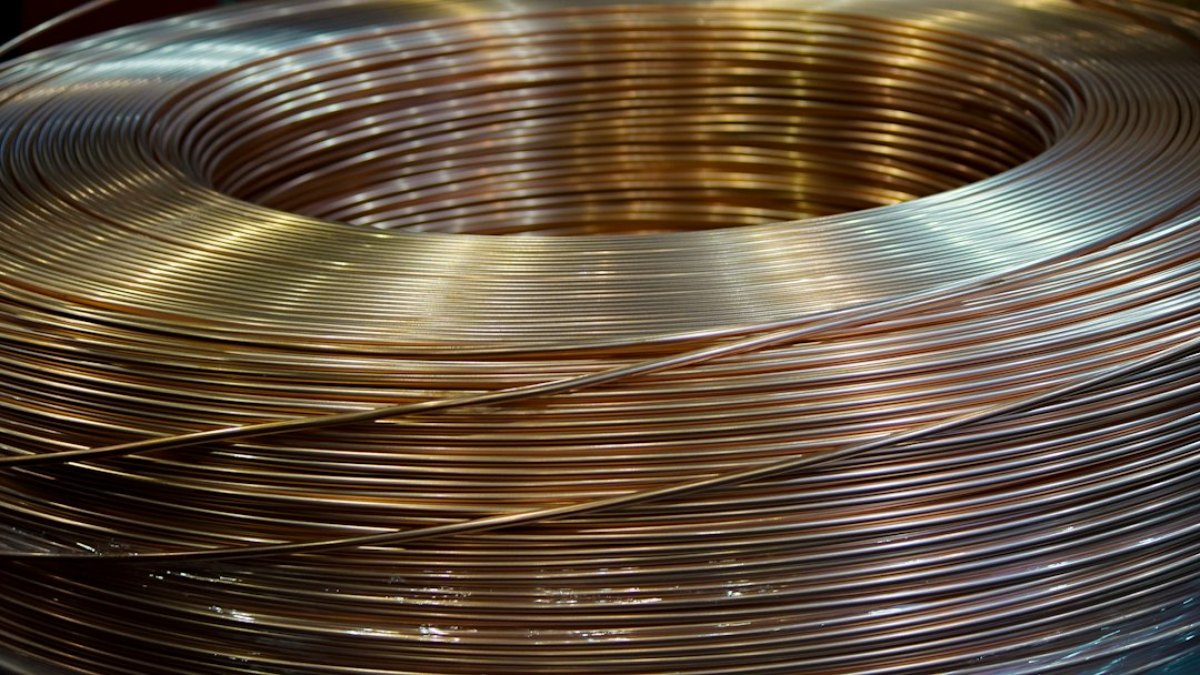
Watch the units when you check prices online. Overseas pages don't always quote in the same terms as Australian yards, and a per-pound headline won't match an Australian per-kilo rate. Convert before you compare, or every local offer will look wrong.
Why a range and not a fixed price? The copper market moves daily, the counter rate is set after grading and weighing, and moisture or attachments change the figure on the day. Treat the range as a guide. The live calculator and actual buyer bids are the real check.
Why AC tube is #1 and not bare bright
Bare bright is clean, uncoated, unalloyed wire with insulation removed. Nothing else. AC tube doesn't fit that definition, no matter how shiny it is.
#1 copper covers clean copper tubing, bus bar and clippings at least 1/16 inch (about 1.6 mm) thick with no solder, paint or fittings. That is exactly what install offcuts are. So the direct answer: AC pipe is #1, not bare bright. Buyers know the difference, so don't argue the grade at the counter.
How one fitting can grade the whole bin down
Yards grade a mixed load on its worst material. One brazed elbow, one flare fitting, one Schrader valve or one soldered joint left in the bin risks the whole load being paid at the lower grade. #2 pays well below the #1 rate, so the fitting can cost you more than it's worth, several times over.
The detail most apprentices miss is foam armaflex on suction lines. The tube underneath is clean, so it looks like #1 in the bin. But with the foam still on, the load can be graded down and discounted. Peel the foam before you weigh in.
The practical fix is simple: cut the jointed section off rather than trying to strip or grind it. Sell the cut-offs separately as #2. Clean tube stays #1, the jointed bits get #2 rates, and nothing drags anything down.
What drops the grade:
- Brazed joints
- Flare fittings
- Schrader valves
- Solder
- Armaflex foam
- Heavy oxidation
There's a condition that flips all this. Short clean tails need no prep at all; cutting them up is wasted bench time. Longer runs with foam or joints are where prep pays.
When stripping insulation is worth the bench time
Heavy power cable and thick refrigeration line set carry enough copper per metre that stripping lifts the price from insulated-cable rates into the copper rate, so the labour pays. Stripped of its insulation, line set grades as #1 rather than insulated wire.

Thin flex and data cable hold little copper for the weight. Strip a load of insulated cable and a fair slice of the weight goes in the bin as plastic, so your recovered kilos fall well short of the weighed total. On thin flex the recovery is worse still, so stripping loses money once you count the hours. Leave it sheathed and sell at insulated rates.
Never burn insulation off. It's illegal in Australia, the smoke is toxic, and the heat oxidises the copper surface, which drops it a grade anyway. Double loss.
The coil trap: ACR radiators and refrigerant rules
Condenser and evaporator coils look like copper money, but they are ACR radiators: copper-aluminium composites priced separately and at a fraction of tube rates. Clean ACRs sit far below tube prices at the same buyers who pay top rates for clean tube. Don't toss them in the tube bin expecting tube money.
The legal point matters more than the price. Refrigerant must be recovered by a licensed technician before any unit or coil is scrapped. Scrapping a charged coil is an offence, not a grey area. Expect yards to refuse a unit that hasn't been tagged as degassed.
So, can you scrap a coil? Yes, but only after degassing, and at radiator rates, not copper tube rates.
Getting the real number before you drive to the yard
Sort grades into separate containers as you go: one bin for clean tube, one for jointed cut-offs, one for insulated line set. Sorting at the van beats sorting on the scales, and it lets you weigh each grade separately so nothing gets averaged down.
Check the live calculator for the day's rates rather than copying a stale number off a city price page. Copper prices move, and last week's screenshot isn't this week's counter rate.
Photograph the lot and disclose solder, insulation or attachments before agreeing a price. Surprises at the counter get loads re-graded down; disclosure gets accurate bids. Then compare buyer offers instead of taking the first counter rate.
Sort the bin, then let buyers bid
Clean tails sell as #1 as-is. Cut brazed and flared sections off and sell them as #2. Strip only thick line set, leave the thin flex alone, keep the foam out of the tube bin, and keep coils separate and degassed.
Listing your scrap on ScrapTrade lets buyers bid on it. Disclose the grade up front, with clear photos, so the price you're quoted is the price you're paid.
Selling in Australia? Scrap Yard Copper Prices: How to Check an Offer covers the Australian side.
Related guides: Scrap Electric Motors: Copper and Value, Scrap Copper Cable: Recovery Rates Explained and Copper Scrap Supplier.
Frequently asked questions
Do I need to strip the insulation off AC line set?
Yes, you need to strip the insulation off for the highest grade. Bare bright copper wire is clean, uncoated, and unalloyed copper with insulation removed. Buyers may discount mixed or contaminated loads, so clean copper fetches a better price.
Can I scrap AC copper with the foam still on it?
No, you shouldn't scrap it with the foam still on. The foam and other attachments materially change the grade and can lower the recoverable copper proportion. State whether the lot is mixed cable or single type and provide photos so the buyer can assess the condition.
What happens if there's solder on the copper pipe?
The presence of solder changes the grade and purity of the material. Copper #2 is defined as copper that may have solder, paint, or light oxidation. Buyers will classify it as #2, and the value will reflect that lower purity.
Is it worth stripping thin copper wire?
It depends on the effort versus the grade you achieve. If the wire is mixed, ungraded copper, describe it plainly and ask the buyer to confirm the classification before accepting a price. Don't assume every cable has the same copper content or price.
Can I scrap an air conditioner coil with the copper in it?
Yes, you can scrap the coil, but you must remove obvious non-aluminium attachments safely. Include photographs showing the overall lot and close-up details of the copper. Remember that the actual composition depends on the coil's construction.
What we could not verify
- A sourced current Australian price for #1 copper or AC tube offcuts.
- The recovery percentage for any particular line set or cable.
Sources
- ScrapTrade Price Index grade definitions, accessed November 2026.
- Australian Refrigeration Council licensing fact sheets on refrigerant recovery, as summarised in our guides.
- Westmetall, Official LME prices, 29 October 2026.
General information only, not legal or tax advice. ScrapTrade operates a scrap marketplace and has a commercial interest in the scrap trade.