
Scrap Australia is a vital industry that transforms discarded materials into valuable resources. By understanding grades of scrap, the recycling process, and its environmental impact, individuals and businesses can contribute to sustainability. This guide explores these aspects in detail, offering actionable insights for those involved in or curious about the scrap Australia sector.
The State of the Scrap Industry in Australia
Australia’s scrap industry is a cornerstone of the circular economy, diverting millions of tons of waste from landfills annually. The sector encompasses Scrap Trade Australia, which facilitates the exchange of scrap metals between collectors, recyclers, and manufacturers. The industry generates billions in economic value while supporting environmental goals. However, success hinges on understanding the different grades of scrap, the logistics of recycling, and the benefits of sustainable practices.
Grades of Scrap in Australia
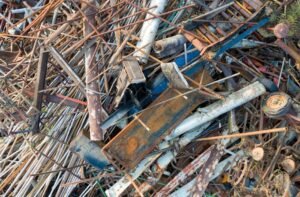
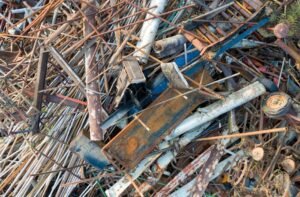
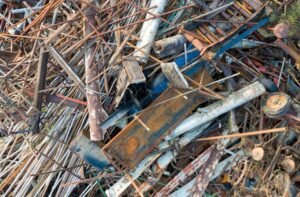
Scrap metals are categorized into grades based on material composition, purity, and usability. Common classifications include:
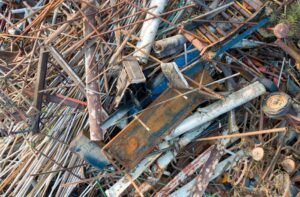
- Ferrous Metals: Containing iron, these include steel and iron. They are magnetic and widely used in construction and manufacturing. Scrap metal like automotive parts and household appliances often fall into this category.
- Non-Ferrous Metals: Non-magnetic metals such as aluminum, copper, and brass. These are prized for their conductivity and corrosion resistance, making them ideal for electrical components and plumbing.
- Stainless Steel: A high-value grade due to its durability and resistance to rust. Common in industrial machinery and kitchenware.
- Aluminum: Lightweight and infinitely recyclable, aluminum is used in packaging, vehicles, and aerospace.
Proper grading ensures efficient recycling and maximizes the value of Scrap Trade Australia. Misclassification can lead to contamination, reducing the usability of recycled materials.
How the Recycling Process Works
Recycling scrap involves several stages to transform waste into raw materials:
- Collection: Scrap is gathered from sources like demolition sites, manufacturing facilities, and households. What Is Scrap Trade involves coordinating these efforts through licensed traders.
- Sorting: Materials are segregated by grade using manual and automated methods. For example, scrap metals are separated from plastics and glass.
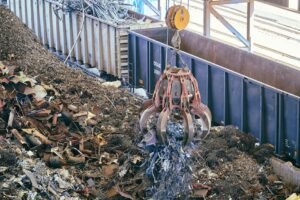
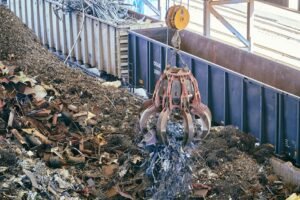
- Processing: Metals are shredded, melted, or compressed into bales. Advanced facilities use sensors to detect impurities.
- Redistribution: Refinished materials are sold to manufacturers for reuse. Scrap Trade Australia platforms streamline this process by connecting suppliers with buyers.
Efficiency in recycling reduces energy consumption and waste. For instance, recycling aluminum saves 95% of the energy required to produce new aluminum from bauxite.
Environmental Benefits of Scrap Recycling
Recycling scrap offers significant environmental advantages:
- Resource Conservation: Recycling reduces the need for mining and drilling, preserving natural resources like iron ore and bauxite.
- Energy Savings: Producing goods from recycled materials typically uses less energy than from raw materials. For example, recycling steel uses 60% less energy than making new steel.
- Landfill Reduction: Scrap recycling diverts waste from landfills, decreasing methane emissions and soil contamination.
- Carbon Emission Reduction: The scrap metals industry in Australia helps lower greenhouse gases by reducing the carbon footprint of manufacturing.
These benefits underscore why scrap Australia is critical to meeting national sustainability targets and combating climate change.
Practical Tips for Scrap Recycling
Whether you’re a business or individual, these tips optimize your participation in the Scrap Trade Australia industry:
- Proper Sorting: Separate materials by grade to avoid contamination. Use magnets for ferrous vs. non-ferrous metals.
- Partner with Reputable Traders: Choose licensed recyclers who provide transparent pricing and certified processes.
- Stay Informed: Monitor market trends for scrap metal prices to maximize returns.
- Dispose of Hazardous Waste Safely: Materials like batteries and electronics require specialized recycling due to toxic components.
- Utilize Technology: Platforms like Scrap Trade Australia simplify trading, offering real-time pricing and logistics support.
By following these practices, stakeholders can enhance efficiency and sustainability in the scrap Australia sector.
The Future of Scrap Recycling in Australia
Advancements in technology and policy are shaping the future of scrap Australia. Innovations like AI-driven sorting systems and electric recycling facilities are improving efficiency. Government initiatives, such as extended producer responsibility (EPR) laws, will further incentivize recycling. Additionally, global demand for recycled metals is rising, positioning Australia as a key player in the circular economy.
To learn more about Scrap Trade Australia and its role in sustainable development, explore our resources and connect with industry experts.
Conclusion
The scrap Australia industry is essential for environmental and economic sustainability. By understanding grades of scrap, mastering the recycling process, and leveraging the benefits of a circular economy, individuals and businesses can make a meaningful impact. Whether you’re new to What Is Scrap Trade or an experienced trader, prioritizing responsible practices ensures a greener future. Start contributing to scrap Australia today and join the movement toward a more sustainable world.
FAQs
1. Why is scrap recycling important in Australia?
Scrap recycling reduces landfill waste, conserves natural resources, and lowers carbon emissions. It also supports Australia’s circular economy by turning waste into reusable materials.
2. How can I identify different grades of scrap?
Grades are determined by material type (e.g., ferrous, non-ferrous) and purity. Use magnets to test for iron, and consult grading charts for specific metals like aluminum or copper.
3. What are the benefits of using a scrap metal trading platform?
Platforms like Scrap Trade Australia provide transparent pricing, efficient logistics, and access to a wide network of buyers and sellers, streamlining the recycling process.
4. How can businesses contribute to sustainable scrap recycling?
Businesses can implement proper waste segregation, partner with certified recyclers, and invest in recycling technologies. Educating employees on sustainable practices also enhances compliance and efficiency.
Frequently Asked Questions
Why is scrap recycling important in Australia?
Scrap recycling reduces landfill waste, conserves natural resources, and lowers carbon emissions. It also supports Australia’s circular economy by turning waste into reusable materials.
How can I identify different grades of scrap?
Grades are determined by material type (e.g., ferrous, non-ferrous) and purity. Use magnets to test for iron, and consult grading charts for specific metals like aluminum or copper.
What are the benefits of using a scrap metal trading platform?
Platforms like Scrap Trade Australia provide transparent pricing, efficient logistics, and access to a wide network of buyers and sellers, streamlining the recycling process.
How can businesses contribute to sustainable scrap recycling?
Businesses can implement proper waste segregation, partner with certified recyclers, and invest in recycling technologies. Educating employees on sustainable practices also enhances compliance and efficiency.