
Every tonne of copper, aluminium, steel or brass that enters the scraping trade loop in Australia replaces virgin ore, saves energy and lowers carbon taxes. This guide explains the grades you will handle, how recycling actually works on an industrial scale, and the measurable environmental upside for traders, recyclers and governments.
1. What Is Scrap Trade and Why It Matters
What Is Scrap Trade if not the oldest circular-economy business model? At its core, scraping trade is the systematic collection, grading, aggregation and resale of end-of-life metal to mills or foundries that remelt it into new products. Australia generated 14.2 Mt of metal waste in 2022; 5 Mt were recycled locally and another 2 Mt exported, returning AUD 5.8 billion in trade surplus. Understanding the grade structure and environmental rules is the fastest route to profit and compliance.
2. Standard Grades of Scrap You Will Encounter
Domestic and export buyers quote prices against specifications published by the Scrap Trade Organisation. Knowing the difference between a greasy copper turnout and #1 bar lets you negotiate a premium.
2.1 Ferrous Grades (Iron & Steel)
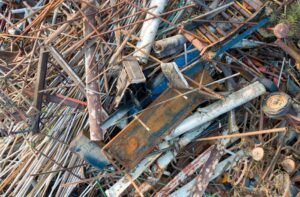
- HMS 1/2 (80:20): Heavy Melting Steel thicker than 6 mm, clean of galvanising and battery cases.
- Shred (AS 2113): Fragmented auto bodies, appliances, sorted to ≤0.25 % copper.
- Busheling: New factory off-cuts, under 300 mm, mill-direct.
- Cast Iron Borings: Unmixed, dry, free of oil; used in cupola charge.
2.2 Non-Ferrous Grades
- #1 Copper: Minimum 99 % Cu, uncoated, unalloyed, wire under 1.5 mm diameter removed.
- #2 Copper: 94–96 % Cu, max 0.3 % oil, may contain soldered joints.
- MLC (Mixed Low Copper): Clean aluminium sheet, free of foil, 5052/6061 series mixed.
- Brass Honey: Yellow brass solids, ≤1 % Fe, ≤0.3 % oil.
- Aluminium Wheels (Twitch): Whole or broken, free of tyres; see our wheels trade page for alloy wheel pricing.
2.3 Specialty & High-Temp Alloys
Inconel, titanium, tungsten carbide and Ni-Cad batteries trade in kilogram lots, not tonnes. Always assay with XRF before quoting.
3. How Industrial Scrap Recycling Works Step-by-Step
What Scrap Trade Actually Is on the ground is a sequence of tightly controlled unit operations:
- Collection & Weighbridge: Trucks are RFID-tagged, weighed in/out to 20 kg accuracy.
- Visual Inspection & Grade Confirmation: Chemist takes a 200 g sample.
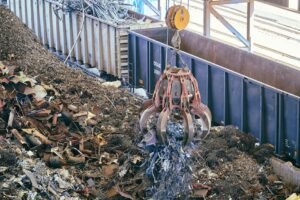
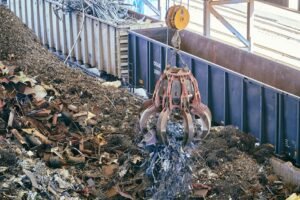
- Size Reduction: Shears cut HMS to ≤ 500 mm, shredders hammer auto bodies to fist size.
- Separation: Magnetic drums pull iron; eddy currents eject aluminium; sink-float removes copper.
- Baling & Container Loading: 20 ft containers hold 22 t of shred, 26 t of HMS.
- Mill Charging: Electric-arc furnaces melt shred at 1 600 °C in 45 min vs 4 h for iron ore.
Each step is audited under AS/NZS 5377:2020 for e-waste and the National Waste Policy Action Plan.
4. Environmental Benefits of Scraping Trade
Energy savings: Recycling aluminium uses 95 % less electricity than bauxite smelting; copper saves 85 %; steel saves 74 %. Carbon abatement: Every tonne of recycled steel keeps 1.8 t of CO₂ out of the atmosphere, equivalent to planting 45 trees. Resource preservation: Australia exports 1 Mt of contained nickel; recycling Ni-MH batteries could replace 15 % of that demand by 2030. Landfill diversion: Metal is 100 % recyclable; keeping it out of landfill prevents leachate of heavy metals into groundwater.
State governments now offer carbon credits under the Emissions Reduction Fund for verified recycling projects. Register your facility through the scrap trade portal to claim credits.
5. Pricing Drivers in the Scraping Trade
Prices move daily on the London Metal Exchange (LME), currency AUD/USD, container freight Shanghai–Melbourne, and domestic mill utilisation. Key indicators:
- LME Copper Cash: AUD 11 800/t translates to #1 Cu at AUD 10 400/t dock, net of moisture and assay.
- Turkish Import HMS: USD 370 CFR Iskenderigon sets the floor for Australian shred.
- China’s Rebar Futures: A 5 % move typically drags shred up AUD 15/t within 48 h.
- Currency: Every 1 ¢ fall in AUD/USD adds ~AUD 10/t to domestic copper quotes.
Lock in forward contracts on the Australian scrap marketplace to hedge volatility.
6. Compliance & Safety for Traders
Scrap yards are classified as heavy industry under Work Health & Safety Act 2011. Essentials include:
- Fire: Install deluge systems over shredders; magnesium fines ignite at 430 °C.
- Silica Dust: Use enclosed cabs with HEPA filters, mandatory respiratory masks.
- Chain of Custody: Photo-ID sellers, record vehicle rego, file ticket for 7 years to satisfy police of stolen-goods provisions.
- Radiation: Gate monitors detect orphaned sources in medical scrap; immediate EPA notification required.
Compliance officers recommend joining the national Scrap Trade Organisation for audit templates and insurance discounts.
7. Practical Tips for Maximising Profit
- Clean Your Scrap: Strip plastic from copper wire, remove steel screws from aluminium sheet to jump from MLC to clean extrusion price (+AUD 450/t).
- Segregate Alloys: Keep 300-series stainless separate from 400-series; nickel content difference is worth AUD 1 100/t.
- Use Bench Shears: Cutting HMS to under 300 mm fits more weight per container (22.5 t vs 19 t), saving freight AUD 18/t.
- Track Contained Metal: Use handheld XRF; a 1 % error in copper assay on a 20 t lot costs AUD 2 000.
- Time Sales: Export ahead of Chinese New Year when mills restock; domestic prices peak in August when Sydney construction restarts.
8. Digital Tools That Simplify Trading
Modern scraping trade relies on data platforms that aggregate volumes, bids and logistics. Australia’s national scrap exchange lists live bids, connects you with vetted buyers and automates compliance paperwork. Features include GPS-tracked freight, escrow payments and API links to XRF equipment for instant assay upload. Traders using the platform report 6 % higher realised prices and 40 % faster payment cycles.
9. Market Outlook to 2030
Demand for secondary aluminium in EV chassis will triple; recycled content mandates in NSW and VIC will add 350 ktpa of new domestic appetite. Copper scrap supply will tighten as the NBN rollout ends; prices expected to average AUD 12 500/t. Steel scrap exports face 40 % tariffs into India, so local mills enjoy cheaper feed, pushing shred spreads wider. Investors should watch government funding for EAF mini-mills in Whyalla and Port Kembla; each new EAF adds 1 Mtpa scrap demand.
10. Conclusion: Turning Scrap Into Sustainable Profit
Australia’s scraping trade is no longer a backyard operation—it is a data-driven, carbon-reducing export powerhouse. Master the grades, monitor LME signals, comply with safety law and use digital platforms to capture maximum value. The metal you divert today becomes tomorrow’s train tracks, wind turbines and smartphone cases, all while earning verifiable carbon credits and healthy margins.
Frequently Asked Questions
What is the most valuable common scrap grade?
#1 bare bright copper wire currently trades at AUD 10 400 per tonne, making it the highest-value grade you will see in volume. Keep it clean and dry to maintain premium.
How do I avoid buying stolen scrap?
Photograph seller ID, record vehicle rego, pay via traceable bank transfer and never accept cash above AUD 1 000. Check police databases for reported theft serial numbers.
Can I export scrap without a licence?
Non-ferrous exports under 50 t per shipment need only a normal export declaration; ferrous requires a licence from the Department of Defence if plate thickness exceeds 6 mm due to strategic metal rules.
Does recycling steel really cut CO₂?
Yes. Every tonne of recycled steel avoids 1.8 tonnes of CO₂ compared to virgin iron ore, equivalent to the annual absorption of 45 eucalyptus trees.