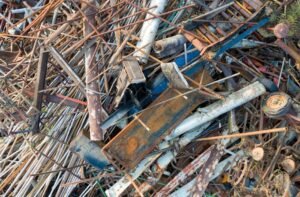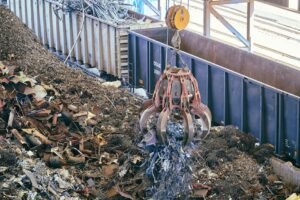

The scrap marketplace in Australia is a vital component of the recycling industry, facilitating the exchange of materials that would otherwise be discarded. By understanding the grades of scrap, how recycling processes work, and the environmental benefits they provide, individuals and businesses can participate effectively in this circular economy. Whether you’re looking to sell scrap or buy scrap, this guide will equip you with the knowledge to navigate the marketplace confidently.
Understanding the Scrap Marketplace
The scrap marketplace operates as a hub where raw materials are repurposed, reducing waste and conserving natural resources. In Australia, this system is supported by a network of scrap yards, recycling centers, and online platforms like Scrap Trade, which streamline transactions for both individuals and commercial entities. The market is driven by fluctuating material values, demand for recycled products, and regulatory frameworks that prioritize sustainability.
Grades of Scrap Metal: A Detailed Breakdown
Scrap metal is categorized into grades based on material type, purity, and usability. The primary classifications include:
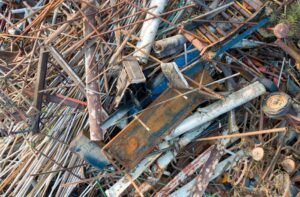
- Ferrous Metals: Containing iron, such as steel and iron. These are often the most abundant and are used in construction and manufacturing.
- Non-Ferrous Metals: Metals without iron, including copper, aluminum, and brass. These are valued for their conductivity and corrosion resistance.
- Aluminum Scrap: Divided into grades like 6061, 3003, and 1100, each suited for specific industrial applications.
- Stainless Steel: Categorized by alloy composition, such as 304 and 316, which determine their durability and heat resistance.
Proper grading ensures materials are recycled efficiently. For instance, scrap contaminated with non-metallic substances may fetch lower prices due to increased processing costs. Always segregate materials before selling to maximize value.
How the Recycling Process Works
Recycling scrap metal involves several stages, each critical to transforming waste into reusable materials:
- Collection: Scrap is gathered from various sources, including demolition sites, manufacturing facilities, and household waste.
- Sorting: Materials are separated by type and grade using manual labor and automated technologies like magnets and optical sensors.
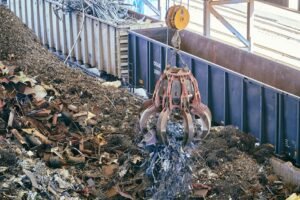
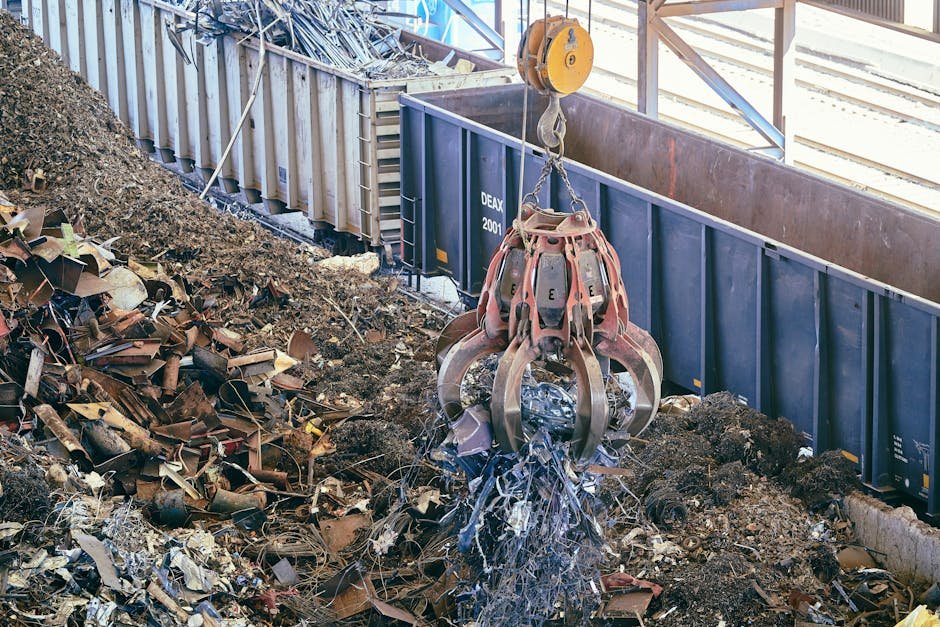
- Processing: Metals are shredded, melted, or compacted depending on their intended use. For example, aluminum is melted at high temperatures, while steel is shredded for easier transport.
- Repurposing: Recycled metal is molded into new products, such as construction beams, electronics, or vehicle parts, completing the circular economy cycle.
Technological advancements, such as AI-driven sorting systems, have improved efficiency and reduced contamination, enhancing the profitability of the scrap marketplace.
Environmental Benefits of Scrap Recycling
Recycling scrap metal offers significant environmental advantages, making it a cornerstone of sustainable practices:
- Reduces Landfill Waste: Recycling diverts millions of tons of metal from landfills, where it could leach harmful chemicals into soil and water.
- Lowers Carbon Emissions: Producing recycled aluminum saves up to 95% of the energy required to create new aluminum from bauxite ore.
- Conserves Natural Resources: Recycling reduces the need to mine raw materials, preserving ecosystems and biodiversity.
- Energy Efficiency: Smelting recycled copper uses 85% less energy than refining copper from concentrate, according to the Australian Recycling Industry Council.
By participating in the scrap marketplace, individuals contribute to these benefits while supporting a greener economy.
Practical Tips for Selling Scrap in Australia
If you’re looking to sell scrap, follow these steps to maximize returns and streamline the process:
- Segregate Materials: Separate ferrous and non-ferrous metals to avoid price deductions from mixed loads.
- Research Market Rates: Use platforms like scrap online to compare prices and identify the best buyers.
- Prepare Documentation: Provide proof of ownership for certain materials, such as vehicles, to comply with legal requirements.
- Use Secure Platforms: List your inventory on trusted marketplaces to ensure transparency and fair transactions.
- Stay Safe: Wear protective gear when handling sharp or heavy materials, and avoid transporting hazardous substances.
For businesses, bulk selling can yield higher profits, while individual sellers may benefit from local collection services. Always verify the buyer’s credentials to avoid scams.
The Future of the Scrap Marketplace
The scrap marketplace is evolving with advancements in technology and policy. Innovations like blockchain are being tested to track material origins, ensuring ethical sourcing and recycling. Additionally, government incentives for sustainable practices are driving growth in the sector. As demand for recycled materials increases, the marketplace will play an even greater role in Australia’s transition to a circular economy.
Conclusion and Key Takeaways
Engaging with the scrap marketplace offers economic and environmental benefits for all participants. By understanding metal grades, supporting efficient recycling processes, and leveraging online tools like Scrap Trade, you can contribute to a sustainable future. Whether you’re a seasoned trader or a first-time seller, the key lies in staying informed and proactive. For more insights, explore how What Is Scrap Trade shapes the industry, and join the movement toward a cleaner, more resource-efficient world.
Frequently Asked Questions
What are the most common grades of scrap metal in Australia?
The most common grades include ferrous metals like steel and iron, non-ferrous metals such as copper and aluminum, and specialized alloys like 304 stainless steel. Each grade is valued based on purity and demand.
How does recycling scrap metal benefit the environment?
Recycling reduces landfill waste, lowers carbon emissions, conserves natural resources, and saves energy. For example, recycling aluminum uses 95% less energy than producing new aluminum from raw materials.
What should I consider before selling scrap online?
Before selling, segregate materials by grade, research market rates using platforms like scrap online, and ensure compliance with local regulations. Secure platforms like Scrap Trade offer transparency and fair pricing.
Are there safety precautions when handling scrap metal?
Yes, always wear protective gear like gloves and steel-toe boots. Avoid handling sharp or hazardous materials without proper training, and use appropriate tools for lifting and transporting heavy items.