
Navigating the Australian recycling sector requires a clear understanding of the current scrap metal price and how global economic forces dictate the value of your materials. Whether you are a tradesperson, a demolition contractor, or a household recycler, knowing how to interpret the market is the key to maximizing your returns.
The Dynamics of Current Scrap Metal Prices
In the Australian market, the scrap metal price is not a static figure. It is a dynamic, fluid value influenced by the London Metal Exchange (LME) and local supply-demand imbalances. When you look up Scrap Metal Prices, you are viewing a snapshot of a global commodity market that reacts to geopolitical events, currency fluctuations, and industrial output. For those looking to sale metal scrap, timing is everything.
The market rate is often quoted as a price per tonne for bulk industrial quantities, while smaller residential loads are typically calculated as a price per kg. Understanding this distinction is vital. If you are holding large quantities of copper, aluminium, or steel, you are essentially participating in a global trade. When you are ready to move your inventory, finding a reliable partner to Sell Scrap Metal Near Me In 2026 is the first step toward securing the best financial outcome.
Factors that influence these rates include:
- Global Manufacturing Demand: High demand for new electronics or construction projects drives up the need for raw materials, pushing scrap values higher.
- Logistics and Transport: The cost of fuel and shipping significantly impacts the net value of scrap, particularly for bulky, low-value metals like ferrous steel.
- Currency Exchange: Since metals are traded internationally in USD, a strong or weak Australian Dollar directly impacts the local price per tonne.
- Processing Costs: The energy required to sort, shred, and melt down scrap into reusable ingots is factored into the price offered by recyclers.
Categorizing Scrap: Grades and Their Value
Not all scrap is created equal. The industry classifies metals into two primary categories: Ferrous and Non-Ferrous. Ferrous metals contain iron and are magnetic, while non-ferrous metals do not contain iron and are generally more valuable due to their resistance to corrosion and infinite recyclability.
Non-Ferrous Metals: These materials, including copper, brass, aluminium, and lead, command a higher price per kg. Copper, for instance, is a bellwether for the global economy. Whether you have copper piping from a renovation or electrical wiring, these items are highly sought after. If you are searching for Scrap Metal Recycling Near Me, you will find that non-ferrous items often provide the most significant cash incentive.
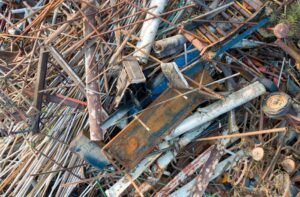
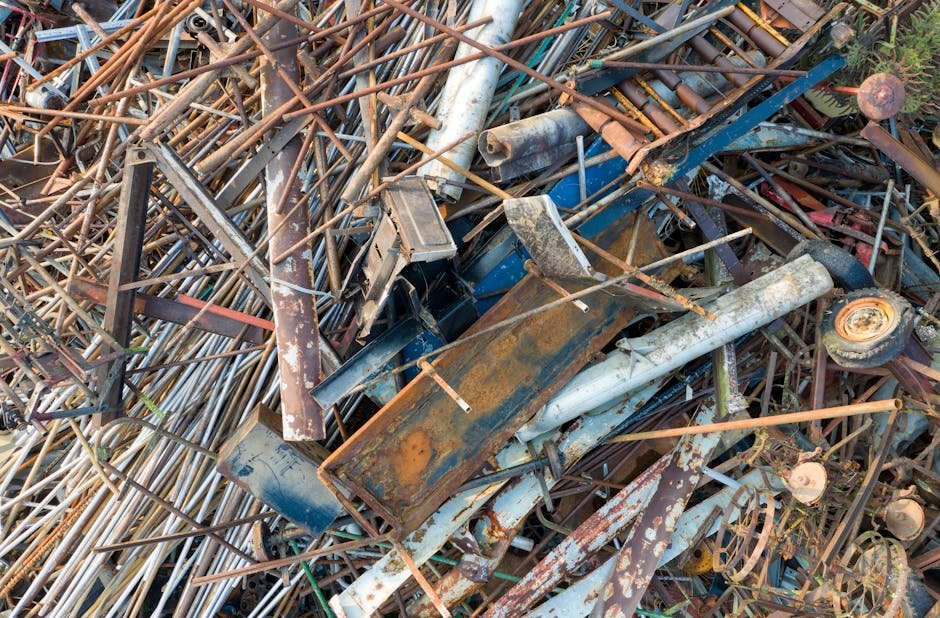
Ferrous Metals: This category includes steel, iron, and cast iron. While the individual price per kg for steel is lower than copper, the sheer volume in which it is generated makes it a cornerstone of the recycling industry. Contractors working in scrap metal brisbane sites often deal primarily in high-volume steel, which is processed into new structural beams and industrial components.
How Scrap Metal Recycling Works
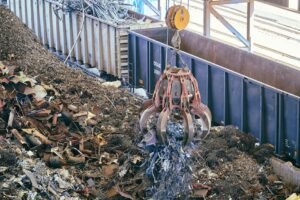
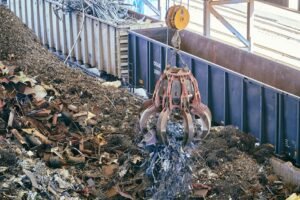
The recycling process is a sophisticated industrial operation designed to return metal to its raw state without losing its physical properties. It begins with collection and sorting. Advanced facilities use magnets, eddy currents, and X-ray fluorescence (XRF) analyzers to separate metals by grade and alloy composition.
Once sorted, the metal is processed. This may involve shredding into small pieces to increase surface area or shearing to fit into furnaces. The shredded material is then melted in a furnace at precise temperatures. During this stage, impurities are removed, and alloys are adjusted to meet specific industrial standards. The final product is cast into ingots or billets, which are then sold back to manufacturers to create everything from car parts to soda cans.
By choosing a professional scrap metal trading platform, you ensure that your materials are handled through an environmentally compliant chain of custody. This prevents hazardous materials from entering landfills and reduces the energy-intensive process of mining virgin ore.
Environmental and Economic Benefits
Recycling scrap metal is one of the most effective ways to reduce our collective carbon footprint. Extracting virgin ore requires massive amounts of energy, water, and chemical processing. In contrast, recycling aluminium saves approximately 95% of the energy required to produce it from bauxite ore. Similarly, recycling steel saves about 75% of the energy compared to iron ore production.
Beyond energy savings, recycling reduces the need for destructive open-cut mining. It preserves natural landscapes and prevents the leaching of heavy metals into local ecosystems. For businesses, participating in a circular economy is no longer just an environmental goal; it is a regulatory expectation. Companies that utilize professional scrap metal services in Australia are better positioned to meet ESG (Environmental, Social, and Governance) targets while gaining a financial return on their waste streams.
Maximizing Your Returns: Practical Tips
To get the most out of your scrap, preparation is key. Here are expert strategies to improve your bottom line:
- Sort Your Metals: Mixing different types of metal (e.g., steel with copper) will result in a lower “mixed scrap” price. Separate your metals by grade to receive the highest market rate.
- Clean Your Material: Remove non-metal attachments like plastic insulation, wood, or rubber. Clean copper pipes without solder or paint are worth significantly more than dirty, contaminated ones.
- Monitor the Market: Keep an eye on metal prices today. If you have a large stockpile, it may be worth waiting for a market peak before selling.
- Build Relationships: If you are a recurring generator of scrap, build a relationship with a reputable local yard. They may offer better rates for consistent, high-quality supply.
- Safety First: Always wear appropriate PPE when handling scrap. Sharp edges and heavy weights are common hazards in the industry.
The Future of Metal Trading in Australia
As we look toward 2026 and beyond, the scrap metal industry is undergoing a digital transformation. Transparency in pricing and logistics is becoming the norm, with platforms allowing users to track market trends in real-time. The integration of blockchain for material tracking and automated sorting technologies is increasing the efficiency of the entire supply chain.
The shift toward electric vehicles (EVs) and renewable energy infrastructure is also changing the composition of scrap. We are seeing an increase in lithium-ion battery recycling and high-grade copper demand for electrical grids. Being informed about these shifts will allow you to adapt your recycling habits to align with future industrial needs.
Understanding Market Volatility
Volatility in the scrap metal price is a reality that every trader must manage. Factors like sudden changes in trade tariffs, shipping lane disruptions, or regional conflicts can cause prices to swing within days. For the individual seller, this means it is rarely advisable to try and “time the market” perfectly. Instead, focus on the consistency of your supply and the quality of your sorting. By providing clean, well-sorted loads, you minimize the risk of price deductions at the scale, ensuring you receive the best possible value regardless of minor market fluctuations.
Conclusion: Your Role in the Circular Economy
The scrap metal industry is the backbone of modern infrastructure. By recycling, you are not just clearing out space or making a profit; you are supplying the raw materials necessary for the next generation of Australian manufacturing. Whether you are a small business owner or an individual, every kilogram of metal redirected from a landfill contributes to a more sustainable future. Use the resources available to stay updated on the current scrap metal price, ensure your materials are sorted correctly, and partner with reputable recyclers to maximize both your financial return and your environmental impact.
Frequently Asked Questions
How can I find the most accurate scrap metal price today?
The most accurate prices are found by contacting local scrap yards directly or checking live trading platforms. Because prices fluctuate based on local logistics and global demand, a direct quote from a reputable buyer is more reliable than general online averages.
Does the grade of metal really change the price per kg?
Yes, significantly. Non-ferrous metals like copper and aluminium are much more valuable than ferrous metals like steel due to their scarcity and the energy savings associated with recycling them.
What should I do before bringing my scrap to a yard?
Sort your metals by type (e.g., copper, aluminium, steel) and remove any non-metal contaminants like plastic, rubber, or wood. Clean, sorted material always commands a higher price than mixed, dirty scrap.
Why is the price per tonne different from the price per kg?
Price per tonne is typically used for large-scale industrial transactions, while price per kg is used for smaller residential or retail quantities. Larger volumes often allow for better economies of scale, which can influence the final rate offered.