

Navigating the complex landscape of scrap for sale in UAE requires a deep understanding of international commodity standards, local logistics, and the evolving regulatory framework governing waste management in the Middle East. As the region pivots toward a circular economy, the availability of high-quality industrial scrap has become a cornerstone for both local manufacturers and international traders. Whether you are sourcing copper, aluminum, or heavy ferrous scrap, the UAE serves as a strategic hub connecting Asian, European, and African markets. For businesses looking to optimize their procurement, utilizing a B2b Scrap Trading Platform is essential for ensuring transparency and competitive pricing in a volatile market. Much like the robust systems found in Scrap Trade Australia, the UAE market demands rigorous adherence to ISRI (Institute of Scrap Recycling Industries) guidelines to ensure material purity and trade efficiency.
Understanding Metal Grades and Classification
The quality of scrap for sale in UAE is determined by strict grading protocols that dictate the value and end-use application of the material. Ferrous metals, which include iron and steel, are categorized primarily by their chemical composition and physical dimensions. Heavy Melting Steel (HMS 1 and 2) remains the most traded grade, essential for electric arc furnaces across the globe. Non-ferrous metals, such as copper, aluminum, lead, and zinc, command higher premiums due to their infinite recyclability without loss of properties. Copper is often classified into grades like ‘Berry’ (bright and shiny) or ‘Candy’ (burnt wire), each requiring specific processing techniques. Aluminum is similarly graded based on contamination levels, with ‘Tense’ (mixed aluminum castings) and ‘Talk’ (aluminum wire) being common industry benchmarks. When managing large inventories, implementing a Warehouse Clearance Scrap Sale Strategy allows companies to liquidate lower-grade materials efficiently, freeing up capital and space for high-value stock. Proper identification of these grades is the first step toward successful trading, and buyers must conduct thorough inspections or rely on certified assay reports to verify the material composition before finalizing a transaction.
The Lifecycle of Scrap Recycling in the UAE
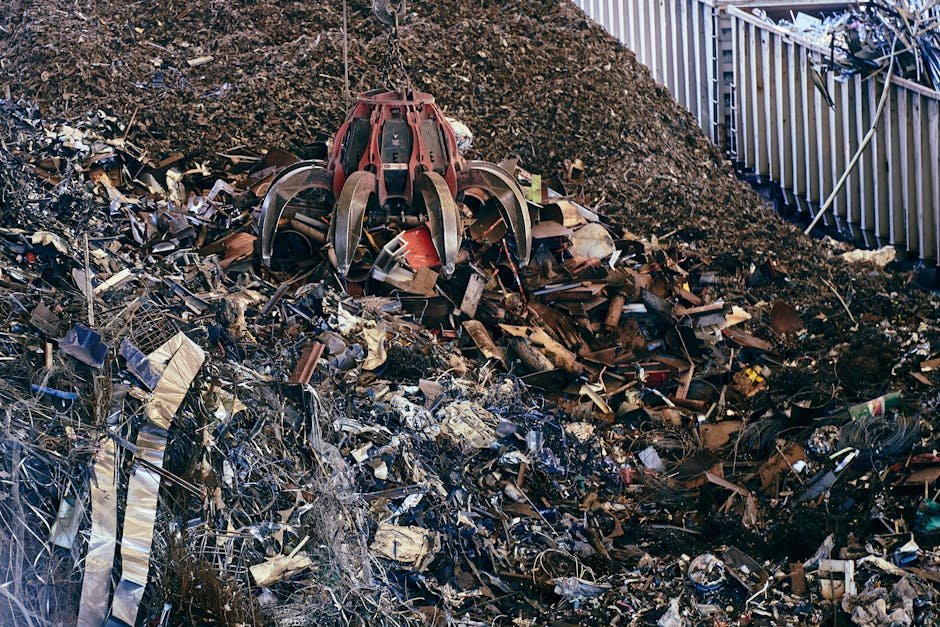
Recycling in the UAE has evolved from simple collection to sophisticated industrial processing. The lifecycle begins with the systematic collection of scrap from construction sites, automotive wrecking yards, and industrial manufacturing plants. Once collected, the scrap is transported to processing facilities where it undergoes sorting, shearing, shredding, and baling. Advanced optical sorting technology and X-ray fluorescence (XRF) analyzers are now standard in top-tier facilities, ensuring that contaminants are removed and alloys are correctly identified. This technical precision is what differentiates premium suppliers from general collectors. For those interested in the broader mechanics of the industry, our guide on Scrap Sale Online in Australia: Grades, Recycling, and best practices provides a comparative look at how global standards are applied across different jurisdictions. The processed scrap is then compacted into dense bales or loaded as bulk material into containers for shipment. This transformation process is critical; high-density processing reduces shipping costs and increases the value of the material for smelters who require consistent feedstock for their production lines.
Environmental Benefits and Sustainability Trends
The environmental impact of recycling scrap metal is profound. By utilizing recycled metals instead of virgin ore, manufacturers significantly reduce energy consumption—often by up to 95% for aluminum and 75% for steel. The UAE’s commitment to the ‘Net Zero 2050’ initiative has accelerated the adoption of green recycling technologies, making the trade of scrap a vital component of the nation’s sustainability strategy. Beyond energy savings, recycling minimizes the destructive effects of open-pit mining and reduces the volume of industrial waste sent to landfills. For companies looking to expand their footprint, Scrap Trade provides the necessary infrastructure to connect with reputable recyclers who prioritize ethical sourcing and environmental compliance. Reduced carbon footprints are now a prerequisite for international contracts, and companies that can prove the recycled content of their raw materials gain a distinct competitive advantage in the global market.
Strategic Sourcing and Market Dynamics
Sourcing scrap for sale in UAE requires a keen eye on global commodity price fluctuations. The market is influenced by the LME (London Metal Exchange) and local supply-demand imbalances. To navigate these shifts, traders must maintain a diversified portfolio of suppliers and buyers. It is not enough to simply buy and sell; one must understand the logistics of port operations, customs regulations, and the specific requirements of destination markets. For instance, exporting to India or China requires different documentation and quality standards compared to domestic sales within the GCC. Building long-term relationships with reputable processors is the best hedge against market volatility. Furthermore, companies that invest in digital tools for inventory management and real-time pricing updates are better positioned to capitalize on short-term price spikes. The integration of digital marketplaces has revolutionized how scrap is traded, allowing for real-time negotiations and secure payment terms that were previously difficult to achieve in traditional, fragmented markets. For those operating in the Southern Hemisphere, resources at Scraptrade.com.au offer excellent insights into how localized markets can be scaled through digital adoption and standardized grading.
Logistics and Export Compliance
The UAE’s geographic location is its greatest asset, acting as a gateway between the East and West. However, moving scrap metal requires meticulous attention to international maritime law and environmental regulations. The Basel Convention, which governs the transboundary movement of hazardous waste, must be strictly adhered to when exporting certain types of scrap. Proper classification, documentation, and labeling are non-negotiable. Exporters must ensure that their scrap is free from hazardous contaminants, such as PCBs, asbestos, or radioactive materials, which can lead to shipment rejections and heavy fines. Working with experienced freight forwarders who understand the nuances of metal exports is crucial. Additionally, containerization strategies—such as maximizing payload weight and ensuring structural integrity of the containers—are vital to maintaining profitability in a competitive export market. The successful trader views logistics not just as a cost center, but as a strategic capability that enables faster turnover and broader market reach.
Future Outlook for the UAE Scrap Industry
The future of the scrap industry in the UAE is intrinsically linked to the nation’s industrial diversification. As the UAE expands its manufacturing base in sectors like automotive components, aerospace, and construction, the demand for high-quality secondary raw materials will continue to rise. We are witnessing a transition toward ‘Smart Recycling,’ where IoT-enabled sensors track the movement and quality of scrap throughout the supply chain. This level of transparency will eventually become the industry standard, pushing out inefficient players and rewarding those who invest in quality and compliance. The integration of artificial intelligence in sorting and grading will further drive down costs and increase the purity of recycled products. As global regulations tighten, the UAE is well-positioned to become a global leader in sustainable metal recycling, provided that the industry continues to emphasize innovation, ethical practices, and digital transformation. Traders who align themselves with these trends today will be the market leaders of tomorrow, benefiting from a more efficient, transparent, and environmentally conscious scrap trading ecosystem.
Frequently Asked Questions
What are the most common grades of metal scrap traded in the UAE?
The most common grades include HMS 1 and 2 for ferrous steel, and non-ferrous metals like copper (Berry/Candy), aluminum (Tense/Talk), and stainless steel (304/316). These grades are determined by their purity, contamination levels, and physical size.
How does the UAE ensure the quality of exported scrap metal?
Quality is ensured through adherence to international standards like ISRI and the use of advanced testing equipment such as X-ray fluorescence (XRF) analyzers. Most reputable exporters also provide third-party inspection certificates to verify material composition.
Why is the UAE considered a strategic hub for scrap trading?
The UAE’s strategic location between Europe, Asia, and Africa, combined with its world-class port infrastructure and free trade zones, makes it an ideal transit point for global scrap logistics. This connectivity allows for efficient movement of materials between major supply and demand markets.
What are the primary environmental benefits of scrap metal recycling?
Recycling scrap metal significantly reduces the need for energy-intensive virgin ore extraction and lowers greenhouse gas emissions. It also preserves natural resources and minimizes the volume of waste directed to landfills, contributing to a circular economy.