

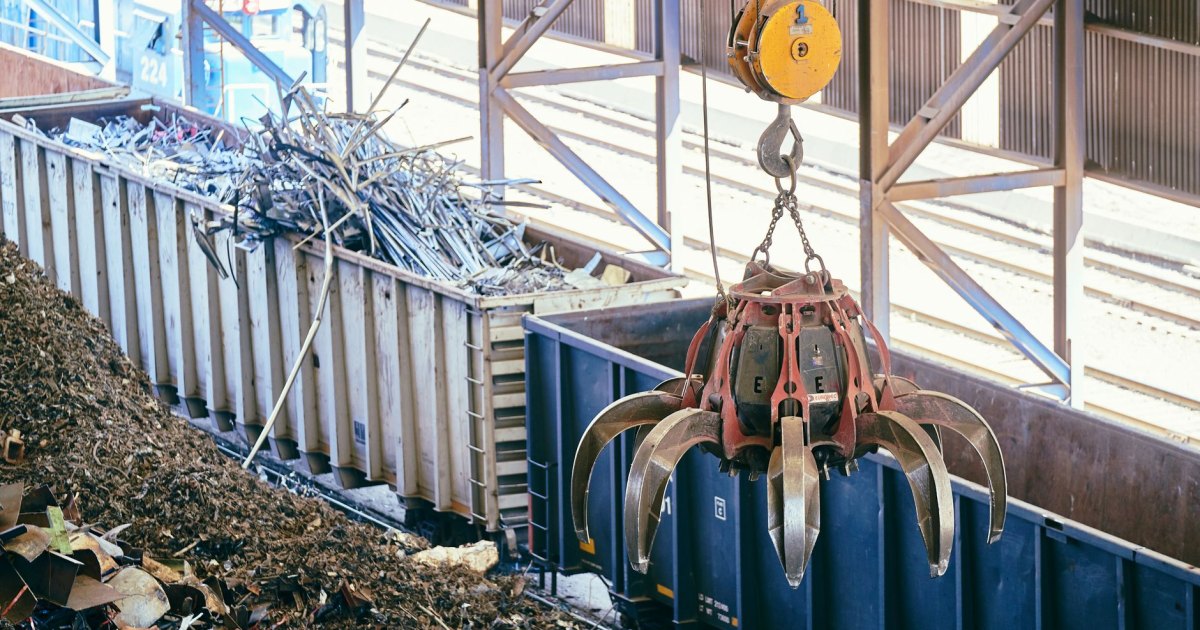
Guess a grade you cannot verify and you lose money. How to identify unknown metal is not about proving 304 or 316 at the bench. It is about narrowing a load to a family, stating what you do not know, and asking the buyer what they need before collection. Do the cheap tests in order, then stop. Markings first, magnet at several spots, colour after a safe scratch. Weight and density only on clean metal. If the grade moves the price, get a chemical read or let the buyer test. Otherwise list it as unknown stainless, mixed aluminium or unidentified yellow metal, with attachments disclosed.
How to identify unknown metal: what a field test can prove
A magnet, scales and a bucket can sort scrap into a family: steel, stainless, copper, brass or aluminium. That is all they do. They do not confirm 304 against 316, and they cannot split Inconel from stainless without a chemical read. Pick the test that matches the decision. If the grade moves the price, the answer needs a buyer-approved test or a paid read. If it is a mixed bin, family sorting is enough. A yard usually retests at inspection, so state what is known and what is not.
Check markings and where it came from
Markings first. Look for grade stamps, part numbers, heat numbers and maker marks before using a magnet. A marine fitting, kitchen item or plumbing part narrows the likely alloy more than a random piece from a bin, because source often tells you more than any single test can. If a stamp is worn, say it is suspected, not confirmed. Photograph the marking, and note whether the surface is painted, plated or cladded, since the outside can behave differently from the bulk.
Use the magnet as a family sorter
Test several spots: flat faces, bends, edges, welds and the thickest part. One spot can mislead, especially on formed stainless. A strong pull usually means carbon or low-alloy steel. A weak or partial pull can mean a 400-series stainless, but it can also mean cast iron, ferritic, martensitic or duplex stainless, and some nickel or cobalt alloys pull too. Magnetic does not mean cheap steel. It only identifies a magnetic constituent, not a commercial grade.
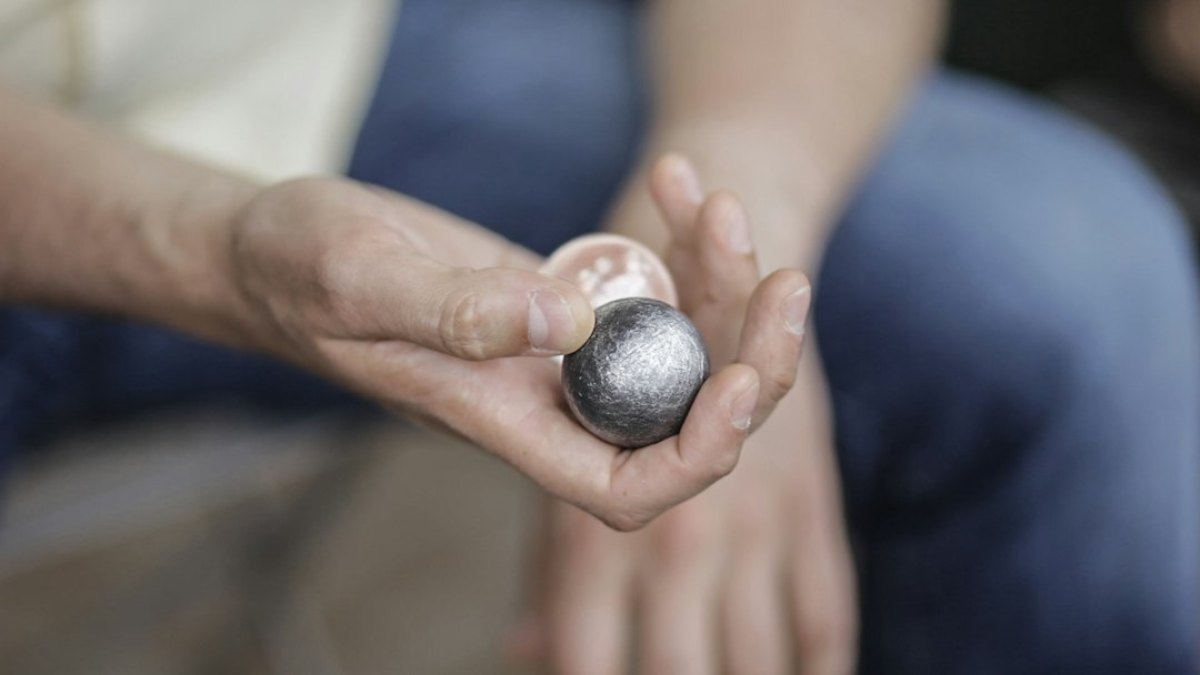
No pull does not mean stainless, and it does not mean valuable. Aluminium, zinc, some nickel alloys and many austenitic stainless grades show little or no attraction. Cold work makes the same bin give opposite answers: a flat sheet of austenitic stainless may read dead, while a bent corner or machined area pulls. So test the flat part and the formed part, and note where the pull changes.
The magnet is the most useful first test and the most misused. Treat it as a family sorter, never grade proof. If you need 304 or 316, a magnet cannot settle it.
Look at colour after a fresh scratch
Copper-red, yellow and silver-grey narrow the field, but plating and paint hide the base metal. A yellow fastener that sticks to a magnet is likely plated steel, not solid brass. Use colour only after a safe scratch on a hidden spot, and record what is underneath. Do not grind, drill or heat an unknown coating or sealed item just to check colour. If the scratch is not safe, list the visible finish and disclose it.
Weigh it and check density only when the lot is clean
Weigh the piece, measure its volume or water-displace it, then divide weight by volume. One millilitre equals one cubic centimetre. Density helps separate aluminium, steel, stainless, copper and brass when the lot is a clean single metal. It does not prove a stainless grade, and it does not split aluminium alloys.
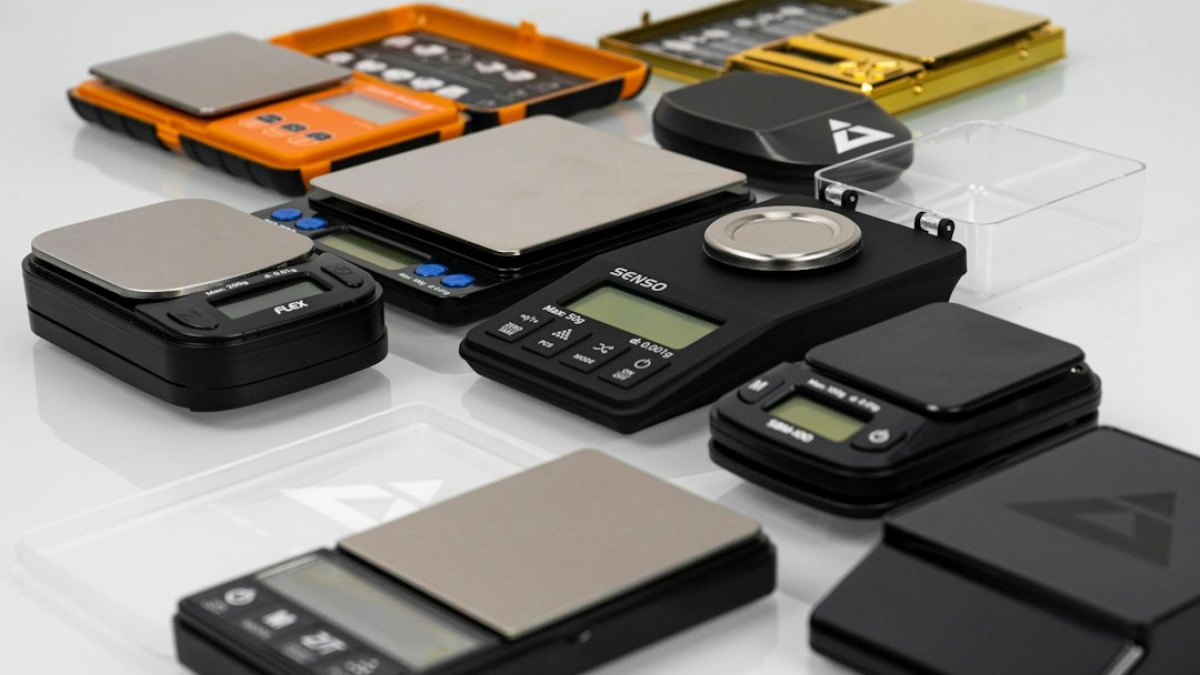
Hollow sections, attached fittings, plastic, rubber, solder and coatings wreck the answer. Do not treat the outside of a tube as a solid cylinder. You get an apparent average, not one metal's density.
Skip spark testing unless you know what you're doing
A spark comparison can sort some ferrous families for a trained operator using known reference samples. It gives no grade. An untrained seller can misread the pattern or create a fire risk on unknown material.
Stop before any destructive test on sealed or pressurised items, unknown coatings, possible reactive metals, or anything with radiation warnings. Metal powder behaves differently from solid parts, and suspected radioactive scrap means stop handling and contact the relevant authority. For a scrap seller, spark testing rarely earns its risk, and it does not replace a chemical read.
Where field tests end and PMI begins
Handheld XRF, spark OES and lab analysis are positive material identification, not casual field checks. Only chemical analysis confirms a stainless grade. XRF cannot see carbon, so it cannot split low-carbon variants such as 304L from 304.
Pay for testing when the grade premium on a clean single-alloy lot beats the cost of the read. For a mixed bin, sorting by family and labelling unknown is the better money. The platform calculator gives indicative reference values only; actual deals depend on condition, buyer requirements, volume, location and freight.
Common wrong calls
Do not call every non-magnetic silver metal stainless. It can be aluminium, a nickel alloy or plated steel. And do not assume a brass offer covers bronze, phosphor bronze, aluminium bronze or an unidentified yellow metal. Ask the intended buyer which category to use before setting a grade or agreeing on a price.
Do not trust one clean sample to represent the whole load. The rest may be mixed, and inspection can change the deal. Attachments and contamination can change grading, so disclose iron screws, steel valves, plastic handles, rubber seals, solder, coatings and non-metal inserts.
Turn the uncertainty into a listing
Separate metal families where it is safe and practical, then label the rest mixed or unknown. Put obvious brass away from copper, aluminium, stainless steel, plated parts and general scrap. Disclose screws, valves, plastic, rubber, solder, paint and coatings. Photograph the whole lot, not just the best piece.
Ask the buyer which category fits and what testing they require before collection or shipping. Settle inspection, sorting or testing requirements before the material moves. If buyers have taken magnet-sorted loads before, disclosure before the deal protects the price you agreed rather than losing it at inspection.
Buyers will test at their cost and price that risk into the offer. Honest detail makes the price firmer.
List it as what you can prove
If you cannot identify the grade, list it as unknown stainless, mixed aluminium or unidentified yellow metal, with attachments disclosed. Do not write 304 or 316 unless you have a read that supports it. For aluminium you cannot identify, use a plain description such as mixed aluminium scrap and ask buyers what information or testing they need.
State the test you did, the result, and the part you are unsure about. For bronze, phosphor bronze, aluminium bronze or an unknown copper alloy, ask the intended buyer which category to use before setting a grade. The listing should show the known alloy or source, approximate quantity, condition and any mixed pieces.
List your scrap on ScrapTrade and get offers from verified buyers across Australia.
Frequently asked questions
Will a magnet stick to stainless?
Sometimes. Many 304 and 316 parts are non-magnetic when annealed, but cold working can make them weakly magnetic, and steel bolts or welds will pull the magnet. Treat a magnet as a first check, not a grade test.
How do I tell 304 from 316 without a tester?
You can't reliably. 304 is an 18/8 grade and 316 is marine-grade, but they can look the same. Use clear markings, mill certificates or buyer-approved testing; if you don't have them, list it as mixed or unknown stainless.
Is it solid brass or brass-plated steel?
If a magnet sticks strongly, assume steel underneath. Solid brass normally will not attract a magnet, but a thin brass plate over steel will. Check worn edges, scratches and weight, and disclose it as brass-plated steel if you are unsure.
How do scrap yards work out what metal I've got?
They use a mix of visual checks, magnets, weight and testing. For stainless, they may check markings or use an XRF gun; for mixed loads, they may sort before paying. The yard's own specification decides what it accepts.
What's this metal worth if I can't name the alloy?
It may be worth less than a named grade. List it as mixed or unknown, state the source, quantity, condition and any mixed pieces, and ask the buyer what it needs. The calculator gives indicative values only, and final price depends on condition, buyer requirements, volume, location and freight.
What we could not verify
- How a particular buyer tests unknown metal.
- Whether a handheld analyser is worth the cost for your volume.
Sources
- ScrapTrade Price Index grade definitions, accessed November 2026.
- Search-result summaries of magnet and density identification guides from recycler and supplier sites.
General information only, not legal or tax advice. ScrapTrade operates a scrap marketplace and has a commercial interest in the scrap trade.