

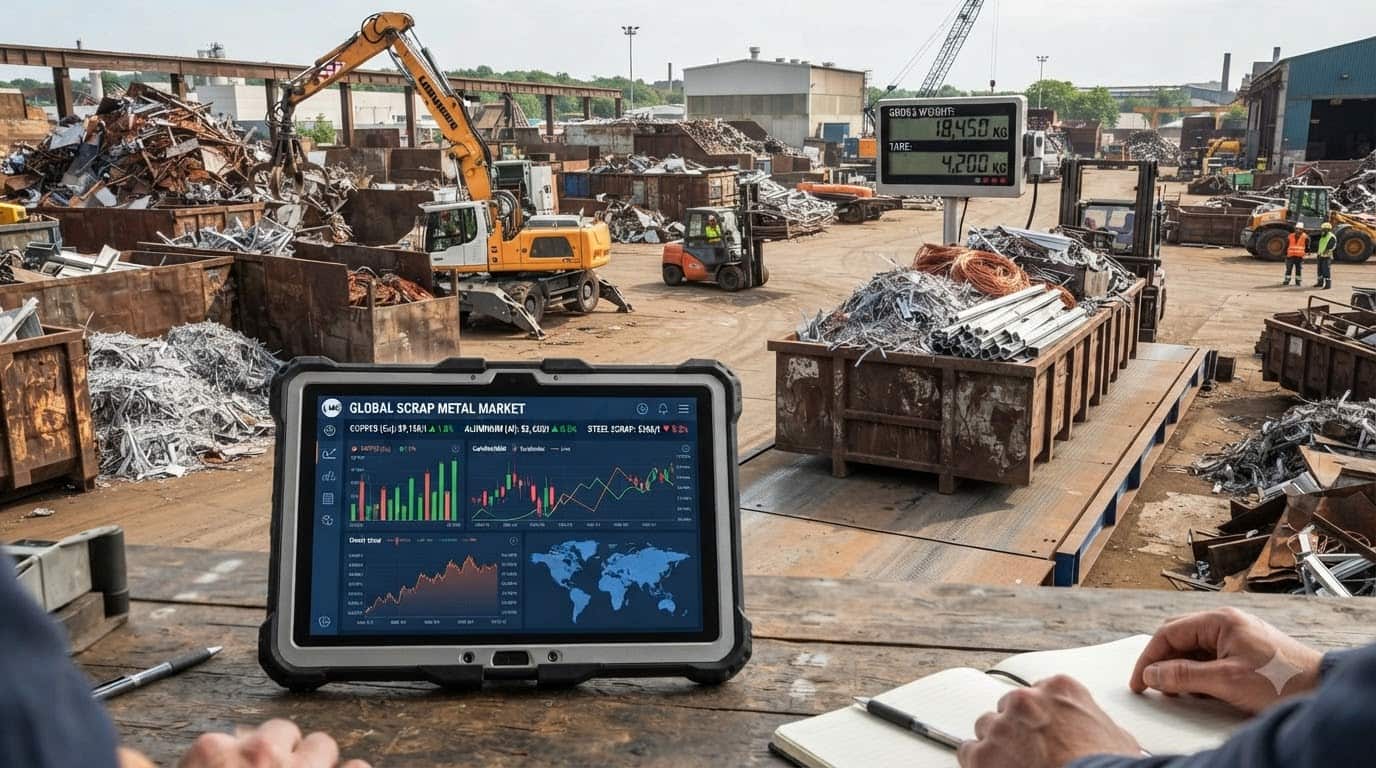
Scrap metal pricing can vary significantly from one material, grade, and transaction to another. A seller may have a large quantity of scrap, but the final value depends on more than just the total weight. Buyers also consider the material grade, metal content, purity, contamination, preparation, location, and current market conditions.
Understanding these factors can help businesses prepare more accurate scrap listings and evaluate offers before completing a transaction.
The Core Factors Behind Scrap Pricing
Scrap metal does not have one universal price. The value of a particular lot depends on its characteristics and the conditions of the transaction.
The first consideration is usually the type of metal. Different metals have different market values and levels of demand. Copper, aluminium, brass, stainless steel, and steel can all have different pricing structures.
The grade of the material is another major factor. Two loads that appear similar may receive different offers if they fall into different grades or have different levels of contamination.
Weight also matters because scrap is commonly traded according to a unit of weight. However, a higher weight does not automatically mean a higher price per kilogram or tonne. Buyers need to understand what the weight represents and whether it includes unwanted material.
Purity and contamination can have a direct impact on commercial value. Clean, well-sorted material is generally easier for a buyer to process than material containing significant amounts of other metals, plastics, dirt, moisture, or attachments.
Other factors can include the form of the material, preparation, quantity, location, transportation requirements, and the buyer's intended use.
How Grading Affects Value
Grading provides a way to describe the quality and characteristics of scrap material. Grade terminology differs between materials and markets, so sellers should use the correct specification where they know it and avoid guessing when the grade has not been verified.
For example, copper scrap may be separated into different categories based on its condition, form, cleanliness, and copper content. Steel scrap can also be classified into different categories according to dimensions, composition, preparation, and other specifications.
Aluminium presents another example. Clean extrusion scrap, cast aluminium, wheels, cans, and mixed aluminium may have different commercial characteristics and therefore may receive different offers.
The same principle applies to brass, stainless steel, and other materials.
When preparing a listing, it is useful to describe:
- Material type and known grade
- Physical form and preparation
- Approximate quantity and unit of measurement
- Visible contamination or attachments
- Photos showing the actual material
- Location and available pickup or shipping information
Accurate grading information makes it easier for potential buyers to understand what they are being offered.
It is also important to distinguish between a market reference price and the actual transaction price. A published market reference can provide useful context, but a buyer's final offer may differ based on the specific scrap lot and transaction conditions.
Weight, Purity, and Contamination
Weight is one of the simplest factors in scrap trading, but it needs to be measured and described correctly.
Suppose a seller has a mixed load containing metal, plastic, rubber, dirt, or other attachments. The total physical weight may not represent the amount of recoverable metal. A buyer may therefore evaluate the lot based on its usable material rather than simply multiplying the total weight by a reference price.
For this reason, sellers should be as transparent as possible about what is included in the stated weight.
Purity
Purity refers to how much of the desired material is present and how much unwanted material is mixed with it.
For certain scrap categories, higher metal content can make the material more commercially attractive. Alloy composition can also matter because different alloys may have different applications and market requirements.
If the exact composition is unknown, it is better to describe the material accurately and provide available documentation or test information rather than making an unsupported grade or purity claim.
Contamination
Contamination can include materials such as:
- Plastics and rubber
- Dirt and other debris
- Moisture
- Paint or coatings
- Other metals
- Non-metal attachments
The effect of contamination depends on the material and buyer requirements. Some buyers may accept a certain level of contamination, while others may require cleaner or more specifically prepared material.
Clear descriptions and photographs can help buyers evaluate these factors before making an offer.
How to Check Fair Value Before Trading
Before selling scrap, it helps to establish a reasonable reference point rather than accepting the first price you receive.
One practical approach is to check a current market reference for the relevant material and then consider how your actual scrap differs from that reference.
For example, the value of a particular lot may need to account for its grade, purity, contamination, quantity, location, preparation, and logistics.
You can use the ScrapTrade Scrap Calculator to estimate scrap value as a starting point. The calculator can help provide a reference estimate based on the material and relevant inputs.
For additional market information, you can also check ScrapTrade market prices.
These tools should be treated as reference points rather than guarantees of a final buyer offer. Actual transaction prices can vary depending on the specific material, buyer requirements, market conditions, and deal terms.
Compare Buyer Offers
Getting multiple offers can provide additional context when you are selling a commercial quantity of scrap.
On a digital marketplace, a seller can create a detailed listing and allow potential buyers to review the material and submit offers. Comparing those offers can help the seller consider not only the quoted price but also other transaction conditions.
A higher headline price may not necessarily represent the best commercial outcome if the offer has different requirements for pickup, delivery, minimum quantity, payment terms, inspection, or material preparation.
The goal is to compare offers against the actual characteristics of the scrap and the complete deal terms.
Prepare Better Scrap Listings
A strong listing should answer the questions a buyer is likely to ask before making an offer.
Include the material type, known grade, estimated weight, condition, location, photographs, and any relevant information about contamination or preparation.
If the material has a known specification or supporting documentation, include that information where appropriate.
Better listing information can reduce unnecessary back-and-forth and help buyers assess the opportunity more efficiently.
Use a Digital Marketplace
Traditional scrap trading can involve contacting buyers individually and negotiating through separate conversations. A digital marketplace provides another way to present material to potential buyers.
With ScrapTrade, businesses can list scrap materials, provide relevant details, connect with potential buyers, and receive offers through a digital trading environment.
This can be particularly useful for businesses dealing with recurring or bulk scrap volumes and looking to expand their buyer network beyond a single local contact.
FAQs
What determines the price of scrap metal?
Scrap metal pricing can depend on metal type, grade, weight, purity, contamination, quantity, market conditions, location, preparation, and transaction logistics.
Does heavier scrap always have a higher value?
Not necessarily. Total weight matters, but the value per unit of weight can vary depending on the material's grade, purity, contamination, and other commercial factors.
Why does scrap metal grade matter?
Grade helps identify the characteristics and quality of a scrap material. Different grades can have different specifications, processing requirements, and buyer demand.
Does contamination reduce scrap value?
Contamination can affect value because unwanted material may increase sorting or processing requirements. The impact depends on the type and amount of contamination and the buyer's specifications.
Conclusion
Scrap metal pricing is based on more than weight alone. Grading, purity, contamination, material type, quantity, preparation, location, and market conditions can all influence how a scrap lot is valued.
For sellers, accurate information is one of the most important parts of the process. A clear listing helps buyers understand what is available and makes offer comparisons more meaningful.
Before trading, use a scrap value calculator and current market references to establish a starting point. Then evaluate actual buyer offers against the quality and commercial characteristics of your material.