

Used beverage cans are a widely recognised form of recyclable aluminium packaging. Once collected and processed, these cans can become a valuable secondary raw material for businesses involved in scrap collection, recycling, manufacturing, and international metal trading.
In the scrap industry, used beverage cans are commonly referred to as UBC scrap, short for used beverage can scrap. Buyers generally evaluate UBC loads according to their material composition, cleanliness, moisture, preparation method, and consistency. How the cans are collected, sorted, and packed can influence transport efficiency and whether the material meets a buyer's requirements.
For sellers, understanding these factors is important before listing aluminium can scrap or negotiating a bulk transaction. This guide explains what UBC scrap is, how it is prepared, what affects its value, and how businesses can connect with potential buyers through an online marketplace.
What Is UBC Scrap?
UBC scrap consists primarily of used aluminium beverage cans collected after their original contents have been consumed. These may include cans previously used for soft drinks, energy drinks, sparkling water, and other beverages.
Aluminium is suitable for recycling because it can be remelted and processed into new products. Recycled aluminium can be used in manufacturing applications, including new packaging and other aluminium products, depending on the material's quality and the recycling process.
However, not every can collected with beverage packaging should automatically be treated as clean UBC scrap. Loads may contain steel cans, plastic bottles, glass, leftover liquids, food waste, labels, or other unwanted materials. Buyers need to understand the actual composition of a shipment before confirming its suitability.
UBC scrap is commonly traded by recycling businesses, scrap yards, material recovery facilities, packaging collectors, processors, and larger industrial buyers. Depending on the seller's operation, the material may be sold loose, compacted, or prepared into bales.
UBC scrap also forms part of the broader aluminium scrap market. Businesses looking to understand other aluminium grades and trading considerations can explore the aluminium scrap trading guide.
How UBC Scrap Is Collected and Prepared
The preparation process begins with collecting used beverage cans and separating them from other waste. The quality of the incoming material can influence how much sorting, cleaning, and processing is required before the cans are ready for sale.
Commercial collection sources may include recycling centres, hospitality businesses, public collection programmes, events, commercial premises, and material recovery facilities. The handling process depends on the volume collected, available equipment, and the buyer's specifications.
Sorting and Removing Contaminants
Sorting is an important step in preparing UBC scrap. The objective is to separate aluminium beverage cans from other materials and remove contaminants that could affect the quality or acceptance of the load.
Common contaminants include:
- Steel cans and other non-aluminium packaging.
- Plastic bottles, bags, and loose packaging.
- Glass fragments and other unwanted solid materials.
- Food residue, leftover beverages, and excessive moisture.
- General rubbish mixed into collection containers.
Sorting may be performed manually, mechanically, or through a combination of methods. Larger operations may use material separation equipment, while smaller collectors may rely on manual inspection and sorting.
The appropriate method depends on the volume and condition of the incoming material. Sellers should also confirm whether buyers accept cans with attached tabs, labels, or other packaging components under their particular specifications.
Clean, well-separated material is generally easier for buyers to assess than mixed packaging waste. It can also reduce uncertainty during inspection and help avoid disagreements about deductions or rejected material.
Baling and Briquetting
After sorting, UBC scrap may be compacted to make storage, handling, and transportation more efficient.
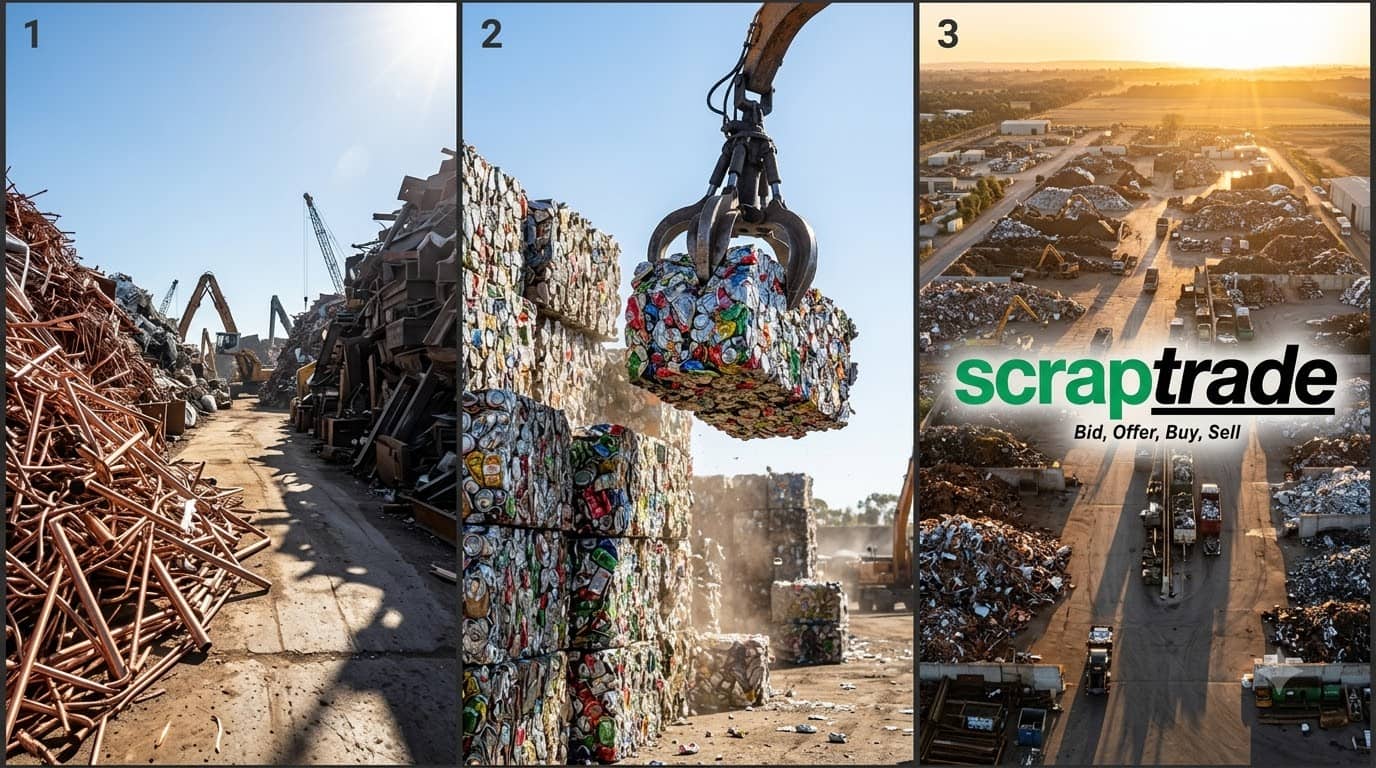
Baling involves compressing loose cans into bundles held together in a compact form. Baled aluminium cans are commonly handled by larger collection and recycling operations because compacted loads can be easier to stack, store, and transport than loose cans.
Briquetting involves compressing suitable metal material into smaller, dense blocks. Whether briquetting is appropriate for a particular UBC stream depends on the equipment, material condition, and requirements of the receiving processor. Sellers should not assume that every buyer accepts briquetted cans.
Preparation specifications matter. Buyers may specify acceptable bale dimensions, weight ranges, strapping, contamination limits, and loading arrangements. These requirements vary by buyer and facility, so sellers should obtain the relevant specification before processing a large quantity.
Compaction alone does not guarantee a better offer. A tightly packed bale may still be unsuitable if it contains excessive contaminants, moisture, or materials that the buyer does not accept. The goal is to prepare the material in a form that matches the intended buyer's requirements.
What Affects the Value of UBC Scrap
The value of UBC scrap depends on several commercial and material-quality factors. There is no single price that applies to every load, because buyers may have different specifications, processing requirements, locations, and purchasing needs.
Material purity: A load containing predominantly aluminium beverage cans is generally easier to assess than a mixed packaging load. Steel cans, plastics, glass, and other contaminants may result in deductions or rejection, depending on the buyer's terms.
Moisture and residue: Water, leftover beverages, and other liquids can increase the measured load weight without adding equivalent recoverable aluminium. Excessive moisture may also create handling, storage, and quality concerns.
Preparation and packaging: Loose cans, baled cans, and other processed forms can involve different handling and transport requirements. Buyers may prefer a particular preparation method based on their equipment and processing arrangements.
Quantity and consistency: Larger or regular shipments may suit buyers with ongoing feedstock requirements. However, volume does not automatically guarantee a higher price. Material quality, logistics, and buyer specifications remain important.
Location and transport: Freight costs, collection arrangements, loading facilities, and the distance to a processing site can influence the commercial attractiveness of a load.
Market conditions: Aluminium market movements, regional supply and demand, and the requirements of individual buyers can affect the offers available at a given time.
Inspection and acceptance terms: The agreed method for checking quality and determining accepted weight can affect the final settlement. Sellers should clarify these terms before dispatch.
Before accepting an offer, compare the proposed price with the material specifications, preparation costs, transport arrangements, and payment conditions. The strongest transaction is not necessarily the one with the highest quoted price; it is the one whose overall terms suit the seller's circumstances.
Common Quality Problems (moisture, coatings, non-aluminium items)
UBC loads can appear uniform while still containing materials that affect their suitability for recycling. Understanding common quality issues helps sellers prepare material more consistently and avoid preventable disputes.
Moisture: Cans collected outdoors or stored in uncovered containers may retain rainwater or liquid residue. Excessive moisture can increase gross weight and complicate handling. Store collected cans in suitable conditions and follow the buyer's requirements for acceptable moisture levels.
Coatings and printing: Beverage cans commonly have printed designs and protective coatings. These are normal characteristics of packaging and do not automatically make a can unsuitable as UBC scrap. However, the buyer's processing method and material specification determine which coatings and associated components are acceptable.
Non-aluminium items: Steel cans, plastic containers, glass, and general rubbish can contaminate the load. Effective sorting helps reduce these unwanted materials before baling or shipment.
Residual contents: Cans containing leftover beverages or other substances may create avoidable weight and handling issues. Collection and storage procedures should minimise residue where practical.
Inconsistent preparation: Loads that vary significantly in cleanliness, packaging, or composition can be harder to evaluate consistently. Sellers should aim to maintain a repeatable preparation process and communicate any unusual characteristics before trading.
How Buyers Evaluate UBC Loads
Buyers assess UBC scrap to determine whether it matches their processing needs and commercial specifications. The evaluation may take place before an offer is made, during a physical inspection, or when the material reaches the receiving facility.
The first consideration is usually the material itself. Buyers may review whether the load consists primarily of aluminium beverage cans, whether other packaging is mixed in, and whether the visible condition is consistent with the seller's description.
Preparation is another consideration. Buyers may check whether cans are loose or baled, whether bales appear secure, and whether the packaging is suitable for their handling equipment. Where a specific bale specification applies, sellers should provide relevant details before dispatch.
Quantity and weight also matter. Buyers may request an estimated quantity, shipment details, photographs, and available weighing records. The agreed weighing method should be clear, particularly for bulk shipments where origin and destination measurements may differ.
Logistics can affect the decision as well. Buyers may consider loading access, storage arrangements, shipment size, collection requirements, and the distance to the processing facility.
To support a smoother evaluation, sellers should provide an accurate description, realistic quantity estimate, current photographs, preparation details, and the location of the material. They should also disclose known contamination or quality limitations rather than waiting for the receiving inspection.
These steps help buyers make more informed offers and give both parties a clearer basis for agreeing on specifications and settlement terms.
FAQs
What does UBC stand for in scrap trading?
UBC stands for used beverage cans. In scrap trading, UBC scrap generally refers to collected aluminium beverage cans prepared for recycling.
Are all beverage cans accepted as UBC scrap?
No. UBC generally refers to aluminium beverage cans. Steel cans and other packaging materials may be treated as contaminants or separate material streams. Acceptance depends on the buyer's specifications.
Should aluminium cans be crushed before selling?
Not always. Some buyers accept loose cans, while others prefer baled material. Confirm the buyer's requirements before investing in processing equipment or preparing a large quantity.
What makes a good-quality UBC bale?
A suitable bale generally contains the expected material with limited unwanted contamination and meets the buyer's agreed preparation and packaging requirements. Exact specifications vary between buyers and facilities.
Conclusion
UBC scrap is an important material stream within aluminium recycling and scrap trading. Its commercial suitability depends on more than the number of cans collected: sorting, contamination, moisture, preparation, quantity, logistics, and buyer specifications all influence how a load is evaluated.
Sellers can improve their readiness for trade by separating non-aluminium items, managing moisture, preparing cans according to the intended buyer's requirements, and documenting the material accurately. Before accepting an offer, confirm the agreed grade, weighing method, inspection procedure, transport responsibilities, and payment terms.
For businesses seeking new outlets for used beverage cans, an online marketplace can provide a practical way to present available material and connect with potential buyers across markets. Prepare your UBC listing carefully, communicate specifications clearly, and list your aluminium can scrap on ScrapTrade to begin discussions with potential trading partners.