

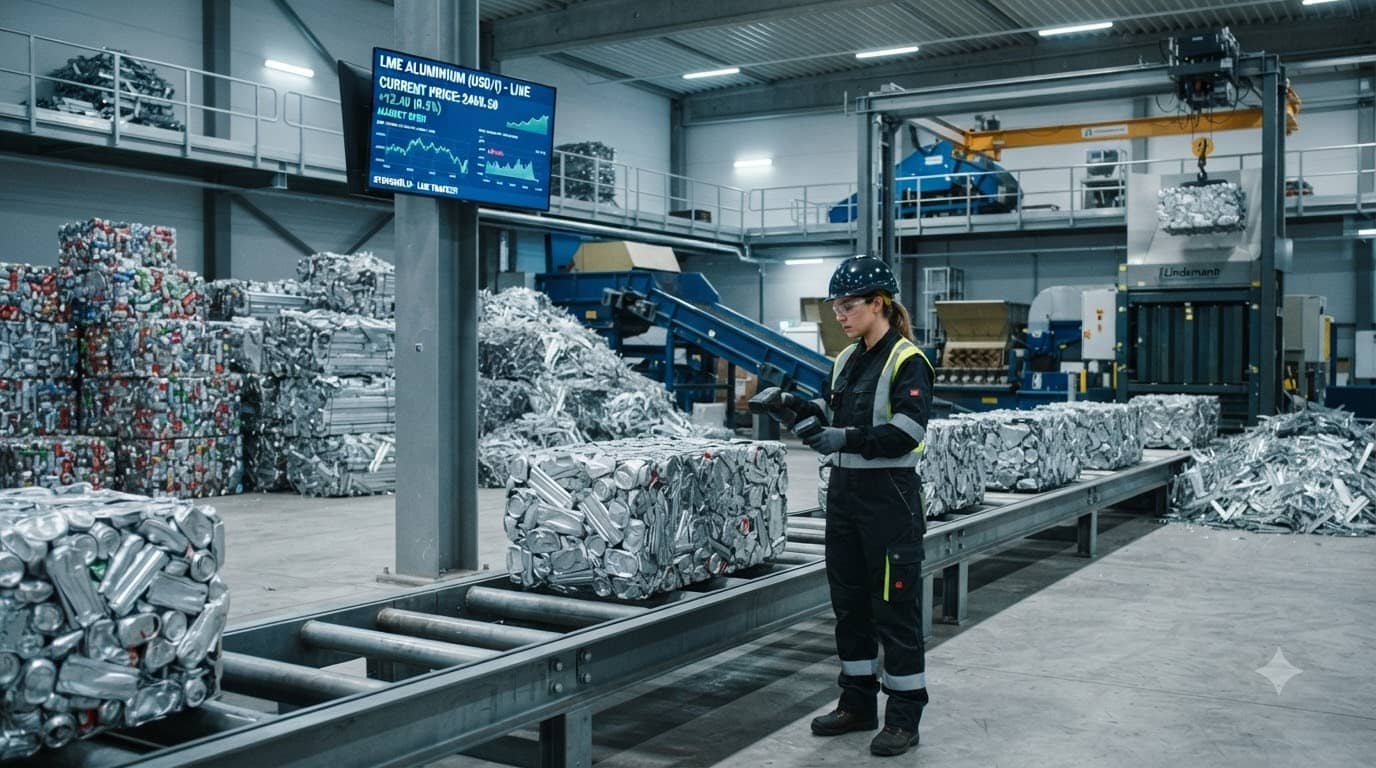
Aluminium scrap trading involves buying and selling recyclable aluminium from manufacturing, construction, automotive, packaging, demolition, and other industrial sources. Because aluminium can be recovered and reused, scrap aluminium is an important material in recycling and B2B commodity markets.
However, aluminium scrap is not one uniform material. Clean aluminium sheet, extrusion, cast aluminium, foil, wheels, and mixed aluminium can have different specifications and commercial values. Buyers therefore look at the type, grade, cleanliness, quantity, and condition before making an offer.
For businesses looking to sell aluminium scrap, understanding these differences can help create more accurate listings and attract relevant buyers. Buyers can use the same information to identify suitable material, compare listings, and evaluate potential purchases.
Common Aluminium Scrap Types
Aluminium scrap comes from manufacturing, construction, automotive recycling, packaging, and other industries. Identifying the material type helps buyers evaluate quality, processing needs, and value.
Aluminium Extrusion
Commonly sourced from window and door frames, structural parts, and manufacturing offcuts. Listings should mention whether the extrusion is clean, painted, mixed, or attached to other materials.
Aluminium Sheet
Found in fabrication, construction, appliances, and signage. Alloy, coatings, paint, and contamination can affect its processing and value.
Aluminium Cast Scrap
Often comes from engine parts, machinery, automotive components, and housings. Buyers may assess composition, cleanliness, and recovery potential.
Aluminium Wheels
Common in automotive recycling. Sellers should specify whether wheels are with or without tyres, valves, weights, and other attachments.
Aluminium Cans and Packaging
Includes beverage cans and other aluminium packaging. Buyers may consider contamination, moisture, compaction, and preparation.
Mixed Aluminium Scrap
Contains different aluminium forms and potentially non-aluminium materials. Sellers should provide accurate descriptions rather than assigning a higher-grade classification without meeting its specification.
Grading and Quality Factors
Aluminium scrap value depends on composition, cleanliness, form, quantity, and condition. Grade specifications can vary by buyer, market, and contract.
Alloy and Composition
If the alloy or composition is known, include it in the listing. If unknown, describe the material accurately rather than making an unsupported alloy claim.
Cleanliness
Paint, plastic, rubber, dirt, steel, and other contaminants can affect processing requirements and value. Disclose visible contamination clearly.
Form and Preparation
Buyers may distinguish between loose, baled, compacted, sheet, extrusion, cast scrap, wheels, and turnings. Preparation can influence handling, transport, and processing costs.
Quantity
Provide the estimated weight and clarify whether it is a single load or recurring supply. Larger quantities may have different logistics and commercial considerations.
Moisture and Foreign Material
Moisture and non-aluminium materials can affect effective weight and processing economics. Accurate condition details help buyers evaluate the shipment before making an offer.
What Buyers Look for in Aluminium Scrap Listings
Buyers need clear information to determine whether aluminium scrap matches their processing and purchasing requirements.
Clear Material Description
Specify the exact type, such as aluminium extrusion, sheet, cast scrap, wheels, or mixed aluminium, rather than simply saying “aluminium scrap.”
Accurate Quantity
Provide the estimated weight and measurement unit. For recurring supply, include expected monthly or periodic quantities.
Good-Quality Photos
Use clear photos showing the actual material from multiple angles. Include visible contamination, attachments, or mixed materials.
Location and Logistics
State where the scrap is located. Buyers need this information to estimate freight, loading, pickup, delivery, and other logistics costs.
Grade and Specification
Include known grades, alloy specifications, test reports, or inspection documents where available. Clearly distinguish verified information from estimates based on appearance.
How to Trade Aluminium Scrap Online
Online marketplaces help sellers connect with potential commercial buyers beyond their local market.
Step 1: Identify the Aluminium Scrap
Determine whether it is extrusion, sheet, cast aluminium, wheels, cans, turnings, or mixed aluminium. Include known grade or alloy details without guessing.
Step 2: Prepare the Listing
Add quantity, location, photos, condition, preparation, and specifications. Accurate information helps buyers evaluate the material faster.
Step 3: Compare Buyer Offers
Review offers based on the complete commercial terms, including price, payment, inspection, pickup, freight, and delivery responsibilities.
Step 4: Confirm Trading Terms
Agree on the material specification, quantity, price, logistics, payment, inspection, and documentation before completing the transaction.
Step 5: Arrange Logistics
Coordinate pickup or delivery and ensure the material matches the agreed terms. Larger or international deals may require additional customs, compliance, inspection, and logistics documentation.
Businesses can use the ScrapTrade marketplace to list aluminium scrap and connect with potential buyers.
FAQs
What are the common types of aluminium scrap?
Common types include aluminium extrusion, sheet, cast aluminium, wheels, cans, turnings, and mixed aluminium scrap. The exact classification depends on the material's composition, form, and condition.
What affects aluminium scrap prices?
Aluminium scrap prices can be affected by grade, alloy, cleanliness, contamination, quantity, market reference prices, location, logistics, preparation, and current buyer demand.
How do I sell aluminium scrap online?
Identify the aluminium type, determine the available quantity, photograph the material, describe its condition and location, and create an accurate listing. You can then connect with potential buyers and compare offers.
What information do aluminium scrap buyers need?
Buyers commonly need the material type, grade or alloy where known, quantity, location, photos, condition, contamination level, preparation, and any available supporting documentation.
Conclusion
Aluminium scrap trading works best when buyers and sellers have accurate information about the material being offered. Aluminium extrusion, sheet, cast scrap, wheels, cans, and mixed aluminium can have different characteristics, so identifying the material correctly is an important part of the trading process.
For sellers, a detailed listing with accurate quantities, clear photographs, grade information, location, and condition can make it easier for relevant buyers to evaluate the material. For buyers, checking specifications, contamination, logistics, and total transaction costs helps create a clearer picture of the opportunity.