

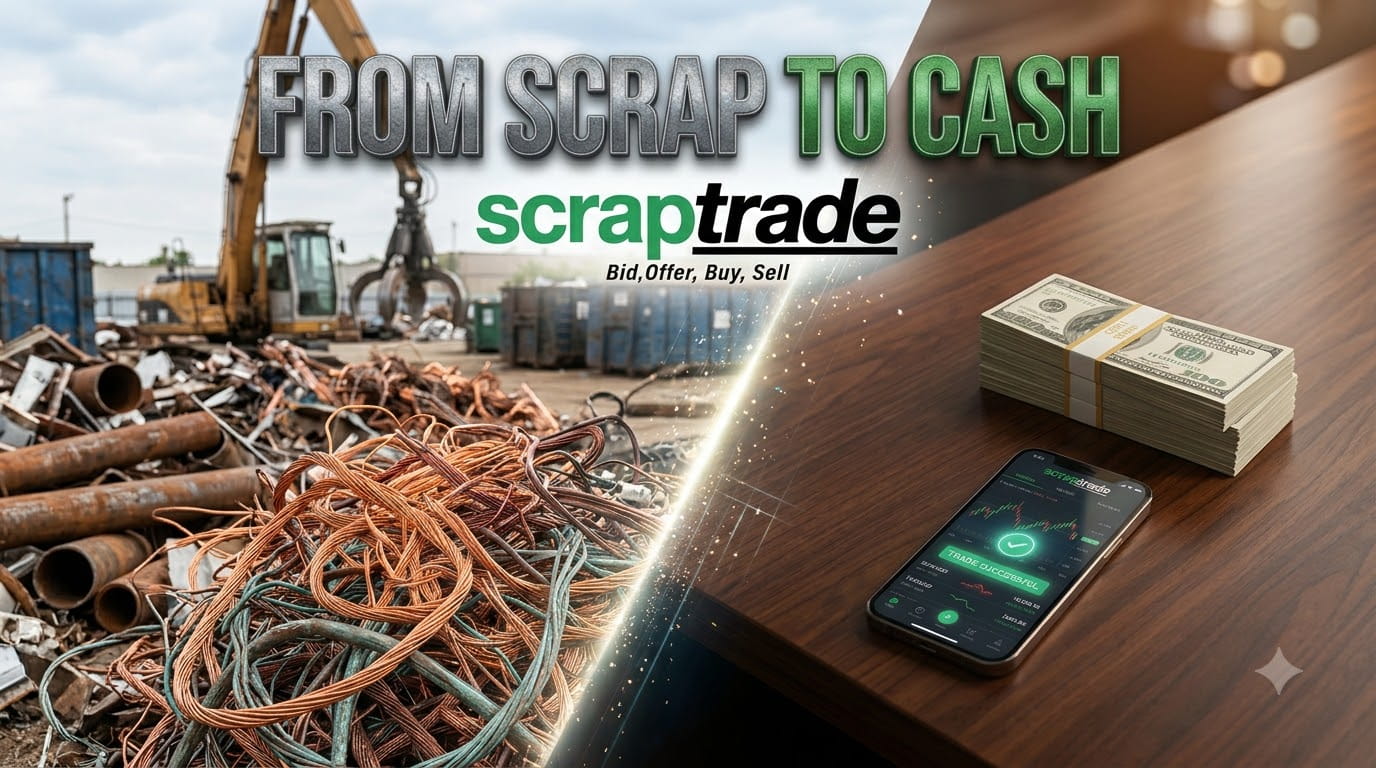
The scrap business turns discarded materials into valuable resources by collecting, sorting, processing, and selling them to buyers who can reuse or recycle them. From old machinery and copper wire to aluminium cans, steel offcuts, electronic waste, and industrial by-products, many materials can create commercial opportunities when they are identified and handled correctly.
For businesses entering the industry, understanding how the scrap business works is essential. Profitability depends on more than collecting scrap. Operators must source suitable materials, assess quality, manage transportation and processing costs, and connect with buyers willing to purchase the material under agreed terms.
Digital marketplaces are also changing how businesses find trading partners. Platforms such as ScrapTrade allow buyers and sellers to explore scrap listings and potential trading opportunities across markets.
What Is the Scrap Business?
The scrap business involves buying, collecting, processing, trading, or selling discarded materials for reuse and recycling. These materials may come from manufacturing facilities, construction projects, demolition sites, automotive workshops, warehouses, households, and commercial operations.
Scrap businesses operate in different ways. Some collect small quantities and sell them to larger dealers. Others specialise in industrial scrap, process materials into more marketable grades, or trade bulk loads between suppliers and recycling companies.
The business model depends on the material handled, available equipment, supplier relationships, buyer demand, and operating costs.
1. Collecting and Sourcing Scrap Materials
The first stage is finding a reliable source of scrap. Businesses may collect materials directly or purchase them from suppliers that generate recyclable waste.
Common sources include manufacturing plants, construction contractors, vehicle dismantlers, electrical contractors, demolition companies, and other scrap dealers.
A consistent supply network can help businesses plan purchases and maintain regular sales. However, not every available load is commercially suitable. Buyers need to consider material type, quantity, condition, location, and likely resale opportunities before committing to a purchase.
For example, a copper-focused business might source cable offcuts from electrical contractors, while an aluminium dealer may work with fabrication companies that generate extrusion scrap.
Building relationships with relevant suppliers can create repeat sourcing opportunities and reduce reliance on occasional purchases.
2. Identifying and Sorting Scrap
After sourcing, materials must be identified and classified according to their type, grade, and condition. Accurate sorting is important because buyers may offer different prices for materials with different specifications.
Scrap metal is commonly divided into two broad categories:
Ferrous scrap: Materials containing iron, including carbon steel, cast iron, and many forms of stainless steel.
Non-ferrous scrap: Metals such as copper, aluminium, brass, lead, and zinc.
Within these categories, buyers may distinguish between grades based on composition, cleanliness, dimensions, attachments, and contamination.
For instance, clean copper wire may be assessed differently from insulated cable, while aluminium extrusion may be treated differently from mixed aluminium scrap.
Businesses should confirm the buyer's grading requirements before preparing a load. Incorrect classification can lead to price adjustments, rejected material, or disputes after delivery.
3. Processing Scrap for Sale
Some scrap can be sold in its existing condition, while other materials may require processing before a buyer will accept them.
Common processing activities include sorting, cutting, stripping, baling, shredding, and separating mixed materials. The appropriate method depends on the material and the buyer's specifications.
Processing can make scrap easier to store, transport, inspect, and handle. However, equipment, labour, energy, maintenance, and storage all contribute to operating costs.
A business should therefore compare the expected improvement in saleability or price with the cost of processing. Additional processing is not automatically profitable, especially when the buyer accepts the material without further preparation.
Safety is also important. Batteries, electronic waste, pressurised containers, contaminated materials, and certain industrial components may require specialised handling. Businesses should follow applicable safety and environmental requirements.
4. Finding Scrap Buyers and Selling Materials
Once the material is ready, the business needs to find suitable buyers. These may include scrap yards, metal recyclers, manufacturers, processors, exporters, and other trading companies.
A buyer's offer may depend on material grade, quantity, contamination, location, transport arrangements, payment terms, and current demand. Comparing offers can help sellers understand the commercial options available for a particular load.
Traditional sourcing often relies on established contacts, telephone calls, and direct negotiations. Online marketplaces provide another channel for discovering potential buyers beyond an existing network.
Through a global online scrap marketplace, businesses can explore listings and connect with potential trading partners. Sellers should provide accurate material descriptions, clear photographs, realistic quantities, and relevant location details to help buyers assess the opportunity.
Before accepting an offer, confirm the final price basis, inspection arrangements, weighing method, collection responsibilities, payment conditions, and delivery terms. A listing or initial offer does not guarantee that a transaction will be completed.
5. Understanding Costs and Profit Margins
The difference between the selling price and purchase price is not the same as net profit. Scrap businesses must account for the costs incurred during sourcing, handling, processing, storage, and delivery.
Typical costs may include:
- Material purchase costs.
- Collection and transportation.
- Sorting and processing labour.
- Equipment operation and maintenance.
- Storage, insurance, and administration.
- Testing, compliance, and transaction-related expenses where applicable.
Consider this illustrative transaction:
| Item | Amount |
|---|---|
| Scrap purchase cost | $2,000 |
| Sale revenue | $2,700 |
| Transport and handling | $300 |
| Processing and other direct costs | $200 |
| Remaining gross contribution | $200 |
In this example, the business earns $700 above the purchase price, but $500 in additional direct costs reduces the amount remaining to $200. Other business overheads, taxes, financing costs, and unexpected expenses may reduce the final profit further.
These figures are illustrative only. Actual costs and margins vary according to material, location, volume, market conditions, and business operations.
The lesson is simple: calculate the full transaction cost before purchasing scrap, rather than relying only on the expected resale price.
6. Managing Weights, Quality, and Payments
Accurate records help prevent misunderstandings between scrap sellers and buyers. Both parties should understand how material quantity and quality will be assessed.
For bulk transactions, confirm whether the agreed quantity is estimated or measured, which weighing equipment will be used, and how the final accepted weight will be recorded. Keep photographs, weight tickets, inspection results, invoices, and delivery documents where relevant.
Quality disputes can arise when the delivered material differs from the original description. Clear specifications and documented inspection procedures help establish what both parties agreed to purchase.
Payment arrangements should also be agreed before the transaction proceeds. Depending on the deal, parties may use an agreed deposit, payment after inspection, or other documented settlement terms. Any escrow arrangement should be clearly defined, including the conditions for releasing funds.
These procedures help businesses manage risk and build confidence with repeat trading partners.
7. Growing a Scrap Business With Digital Trading
As a scrap business expands, finding new suppliers and buyers can become more challenging. Depending entirely on a small contact network may limit access to new materials, larger quantities, or different markets.
Digital trading platforms can complement direct relationships by making listings and potential trading partners easier to discover.
ScrapTrade is a global online marketplace for scrap buyers and sellers. Businesses can explore scrap trading opportunities, list available materials, and connect with potential counterparties without relying exclusively on their existing contacts.
To use an online marketplace effectively, create complete listings, specify material grades and quantities accurately, respond promptly to enquiries, and verify counterparties before entering into transactions. Buyers should assess whether each opportunity meets their quality, logistics, and commercial requirements.
Digital tools do not eliminate market risk or guarantee a sale. Their value comes from supporting discovery, communication, and access to a wider network of potential trading partners.
FAQs
How does the scrap business make money?
Scrap businesses generally earn money by purchasing or collecting materials, preparing them where necessary, and selling them to buyers at a price that covers costs and leaves a margin. The result depends on purchase price, material quality, processing expenses, transport, and market demand.
Which scrap materials can businesses sell?
Common categories include steel, copper, aluminium, brass, stainless steel, electronic waste, vehicles, plastics, cardboard, and other recyclable materials. Buyer requirements and handling procedures vary by material.
Is the scrap business suitable for beginners?
It can be, but beginners should start by understanding a specific material category, local supply sources, buyer specifications, transport costs, and applicable requirements. Starting with manageable transactions can help develop practical knowledge before expanding.
How can scrap sellers find more buyers?
Sellers can build direct relationships with recyclers and manufacturers, contact established dealers, and use online marketplaces to discover potential buyers. Accurate listings, clear photographs, verified business details, and well-documented material specifications can support better enquiries.
Conclusion
The scrap business works by connecting discarded materials with buyers who can reuse, process, or recycle them. The process involves sourcing materials, sorting and preparing them, finding suitable buyers, managing logistics, confirming weights and quality, and controlling costs.
Businesses that understand material specifications and calculate their margins carefully are better positioned to make informed purchasing and selling decisions. Building dependable supplier relationships and using digital marketplaces can also expand access to potential trading opportunities.
For businesses looking to reach a wider network, ScrapTrade provides a global marketplace where scrap buyers and sellers can explore listings and connect with potential trading partners.