

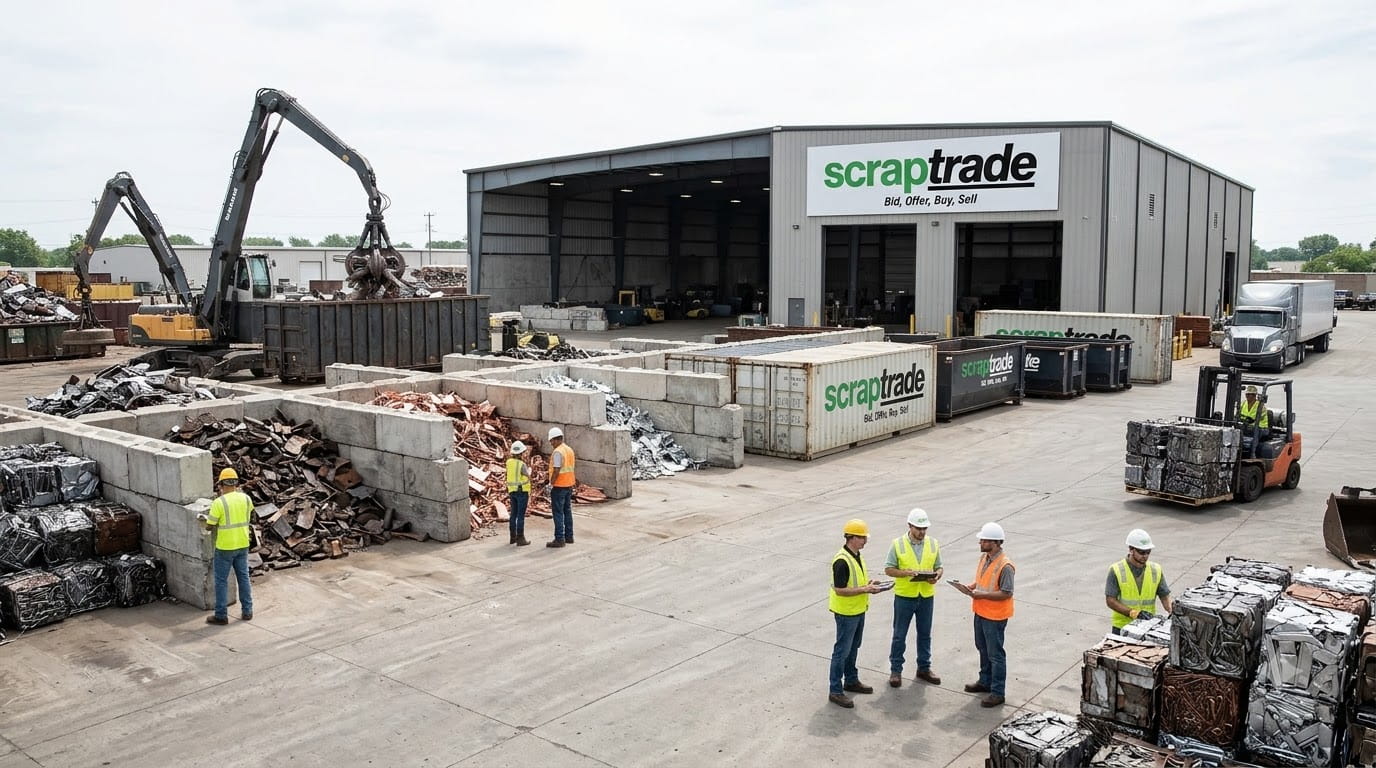
For professional scrap dealers, recyclers, and trading businesses, a reliable supply of material is essential for growth. Finding more scrap can create new revenue opportunities, support larger orders, and help businesses build stronger relationships with buyers. However, increasing supply is not simply about collecting more material. It requires a consistent sourcing strategy, reliable supplier relationships, accurate material assessment, and careful control of purchasing costs.
Scrap businesses obtain materials from many sources, including manufacturing facilities, construction companies, demolition contractors, automotive workshops, industrial plants, commercial businesses, and other scrap dealers. Each source has different requirements, material types, and supply patterns.
Businesses that develop several sourcing channels can reduce their dependence on a single supplier and identify opportunities to expand into new material categories or markets.
1. Build Relationships With Industrial Suppliers
Industrial suppliers can be valuable sources of recurring scrap because manufacturing and processing operations often generate recyclable by-products as part of their normal activities.
Factories may produce metal offcuts, rejected components, aluminium scrap, copper-bearing materials, stainless steel, packaging waste, and other recyclable materials. Construction and demolition companies may generate steel sections, pipes, aluminium frames, and other recoverable materials.
The availability and quality of scrap depend on the supplier's operations, production schedules, and material handling practices.
How to approach industrial suppliers
Start by identifying businesses that regularly generate the types of scrap your operation can handle. Learn about their material categories, expected quantities, storage arrangements, collection schedules, and current disposal or recycling processes.
When approaching a potential supplier, explain what materials you purchase and what information you need to evaluate them. Ask whether the supplier can provide photographs, approximate quantities, material specifications, or inspection access where appropriate.
Professional communication matters. Suppliers need to understand how you will assess the material, arrange collection, confirm weights, and settle payments under the agreed terms.
Rather than focusing only on one-off purchases, explore whether the supplier has recurring material available. A consistent arrangement can help both parties plan collections and manage inventory more effectively.
However, do not promise collection volumes or prices before assessing the material and confirming the commercial terms.
2. Expand Your Network Beyond Existing Contacts
Many scrap businesses initially depend on a small group of established suppliers. While these relationships can be valuable, relying too heavily on a limited network may restrict growth when a supplier reduces output, changes buyers, or stops generating a particular material.
Expanding your network creates opportunities to discover additional sources and compare supply conditions.
Potential contacts include:
- Manufacturing and fabrication companies.
- Construction and demolition contractors.
- Electrical and plumbing businesses.
- Automotive repair and dismantling operations.
- Warehouses and commercial facilities.
- Metal processors and other scrap dealers.
- Recycling businesses handling complementary materials.
The most useful contacts are those that generate material your business can handle safely and sell to suitable buyers.
Develop a targeted sourcing strategy
Instead of contacting every business in a region, begin with a defined material category. For example, a dealer specialising in aluminium could target extrusion manufacturers, window fabricators, and industrial facilities that generate aluminium offcuts.
A copper-focused trader might investigate electrical contractors, cable-processing businesses, and manufacturers that generate copper-bearing production scrap.
A focused approach helps you understand the material, identify relevant suppliers, and develop a clear purchasing process.
Maintain records of supplier contacts, material types, previous transactions, expected availability, and follow-up dates. These records can help you identify promising relationships and avoid repeatedly approaching unsuitable businesses.
3. Offer a Reliable and Professional Collection Process
Suppliers do not evaluate scrap buyers on price alone. They may also consider collection reliability, communication, weighing procedures, paperwork, payment terms, and the effort required to prepare material for collection.
A buyer who provides clear instructions and follows agreed arrangements may be better positioned to develop repeat supplier relationships.
Make sourcing convenient for suppliers
Explain what information is required before collection, including the material description, approximate quantity, location, condition, and any access restrictions.
Agree on the collection schedule, loading responsibilities, weighing arrangements, and payment conditions in advance. If the supplier needs to separate materials or prepare them in a particular way, communicate those requirements clearly.
After collection, keep accurate records of the accepted material and any differences from the original description. If the material does not match the agreement, discuss the issue promptly rather than leaving the supplier uncertain about the final outcome.
Reliable service can help suppliers understand what to expect from future transactions.
Professionalism does not require accepting every load. It means being clear about the materials you buy, the specifications you accept, and the conditions under which you can proceed.
4. Source More Material Through Online Scrap Marketplaces
Traditional networking remains important, but online marketplaces provide another channel for discovering available scrap and connecting with potential suppliers.
A digital marketplace can help buyers explore material listings, identify sellers beyond their existing contacts, and evaluate whether an available load matches their purchasing requirements.
This can be particularly useful for businesses seeking bulk quantities, specialised grades, or supply opportunities in other regions.
How ScrapTrade helps businesses discover supply opportunities
ScrapTrade is a global online scrap marketplace where buyers and sellers can explore scrap listings and potential trading opportunities.
For buyers, online listings can provide an additional way to discover material from businesses outside their established supplier network. For sellers, the marketplace offers a channel to present available material to potential buyers.
To make sourcing more effective, buyers should define their requirements before contacting suppliers. These may include material category, grade, minimum quantity, preferred location, acceptable condition, and delivery or collection arrangements.
When evaluating a listing, review the material description, photographs, stated quantity, and available supporting information. Ask for clarification or arrange an inspection when important details remain uncertain.
A marketplace does not guarantee that a listing will meet your requirements or result in a completed purchase. Supplier verification, material checks, price negotiations, and clear transaction terms remain essential.
By combining direct relationships with online sourcing, scrap businesses can broaden their search for material without depending exclusively on one acquisition channel.
5. Identify New Material Categories and Supply Opportunities
Another way to source more material is to investigate categories that fit your existing equipment, buyer network, and operating capabilities.
A business that mainly handles steel scrap may find opportunities in stainless steel or certain non-ferrous materials. A recycler working with aluminium may explore additional sources of extrusion scrap, alloy wheels, or used beverage cans.
However, expanding into a new category requires more than finding a supplier. Different materials have different grading requirements, handling risks, processing needs, and buyer specifications.
Assess the opportunity before committing
Before purchasing unfamiliar scrap, determine how the material is identified, what quality requirements apply, and which buyers may accept it.
Consider whether your business has suitable storage, handling equipment, processing capacity, and staff knowledge. Some materials require specialist treatment or additional safety and regulatory controls.
For example, electronic waste can contain recoverable metals but may also include batteries, hazardous components, and materials that require specialised handling. A business should not assume that all electronic scrap can be processed using standard metal-sorting equipment.
Start with a manageable quantity when possible, verify the buyer's requirements, and calculate the full acquisition and handling costs before scaling up.
Expanding strategically can create new sourcing options while limiting the risks associated with unfamiliar materials.
6. Work With Other Scrap Dealers and Recyclers
Other scrap dealers and recycling businesses can sometimes provide material that complements your existing supply. They may have surplus stock, mixed loads, specialised grades, or quantities that do not fit their usual sales channels.
For example, a dealer may accumulate a quantity of stainless steel scrap but prefer to sell it to a buyer specialising in that grade. Another recycler may have access to a larger load than it can process or store efficiently.
These arrangements can help businesses discover supply opportunities that would otherwise remain outside their networks.
Build commercially sound trading relationships
When buying from another dealer, confirm who owns the material, whether the seller is authorised to sell it, and whether any existing agreements restrict the transaction.
Clarify the material grade, quantity, price basis, inspection arrangements, loading responsibilities, payment terms, and transport costs. For bulk loads, establish how final weight and material condition will be confirmed.
Also consider whether the transaction leaves enough margin after handling, transport, processing, and other expenses.
Trading with other dealers can expand access to material, but it can also introduce additional counterparties and transaction risks. Maintain clear records and carry out appropriate checks before committing funds.
7. Use Market Information to Make Better Purchasing Decisions
Finding more scrap is useful only when the material can be purchased and resold on commercially acceptable terms.
Market information helps buyers assess whether a potential load fits their requirements and whether the expected resale revenue can cover the acquisition and operating costs.
Relevant factors include material grade, quantity, condition, local demand, transport costs, processing requirements, and the offers available from potential buyers.
Calculate the total landed or handled cost
Before purchasing a load, estimate the full cost of bringing the material into your operation or delivering it to the intended buyer.
For example, a scrap load with an attractive purchase price may become less appealing after adding collection, freight, sorting, labour, storage, and possible contamination-related deductions.
Compare potential buyer offers against the total transaction cost rather than the purchase price alone. Where market conditions are changing, consider the risk that the resale price may differ from the amount initially expected.
Reference prices and online market information can support decision-making, but they do not guarantee the price a buyer will pay for a specific load.
Disciplined purchasing helps prevent the sourcing process from becoming a race to acquire more material without understanding its commercial value.
8. Improve Supplier Retention With Accurate Records
Sourcing more material is not only about finding new suppliers. Keeping existing suppliers can also support a more stable supply pipeline.
Accurate records help businesses understand which suppliers provide suitable material, how frequently supply becomes available, and whether collections and transactions are proceeding as expected.
Useful information to record includes supplier details, material categories, estimated and accepted quantities, inspection notes, purchase prices, collection dates, payment status, and any quality issues.
Review these records periodically to identify suppliers with consistent material quality and reliable availability.
When a transaction encounters a problem, document the issue and agree on a practical resolution. Consistent weighing procedures, clear communication, and transparent settlement terms can help reduce misunderstandings.
Digital recordkeeping can make supplier information easier to review, especially when a business manages many contacts or multiple material categories.
FAQs
How do professional scrap businesses find suppliers?
Professional scrap businesses commonly source material from manufacturers, construction contractors, demolition companies, automotive businesses, industrial facilities, and other scrap dealers. They may also use online marketplaces to discover additional listings and potential suppliers.
How can a scrap dealer get more regular material?
Develop relationships with businesses that generate scrap as part of their ongoing operations. Understand their material specifications, collection schedules, quantities, and payment requirements. Reliable service and clear transaction terms can help support repeat supply arrangements.
Can online marketplaces help scrap buyers find suppliers?
Yes. Online scrap marketplaces can help buyers discover listings and potential trading partners beyond their existing networks. Buyers should still verify counterparties, inspect material where appropriate, and confirm the commercial terms before purchasing.
Should scrap businesses buy every available load?
No. Each load should be evaluated against material specifications, buyer demand, processing capacity, transport costs, and expected resale revenue. Buying more material does not necessarily improve profitability if the load is difficult to process or sell.
Conclusion
Professional scrap businesses source more material by building reliable supplier relationships, expanding their networks, offering dependable collection processes, exploring new material categories, and working with other dealers and recyclers.
Online marketplaces can complement these activities by helping buyers and sellers discover trading opportunities beyond their existing contacts. However, successful sourcing depends on more than availability. Businesses need to understand material quality, calculate total costs, verify counterparties, and confirm that the scrap can be sold to a suitable buyer.
For businesses looking to broaden their sourcing network, ScrapTrade provides a global online marketplace for exploring scrap listings and connecting with potential trading partners.
A structured sourcing strategy can help scrap businesses build a more consistent supply pipeline, make better purchasing decisions, and pursue growth without losing control of quality, cost, and operational risk.