

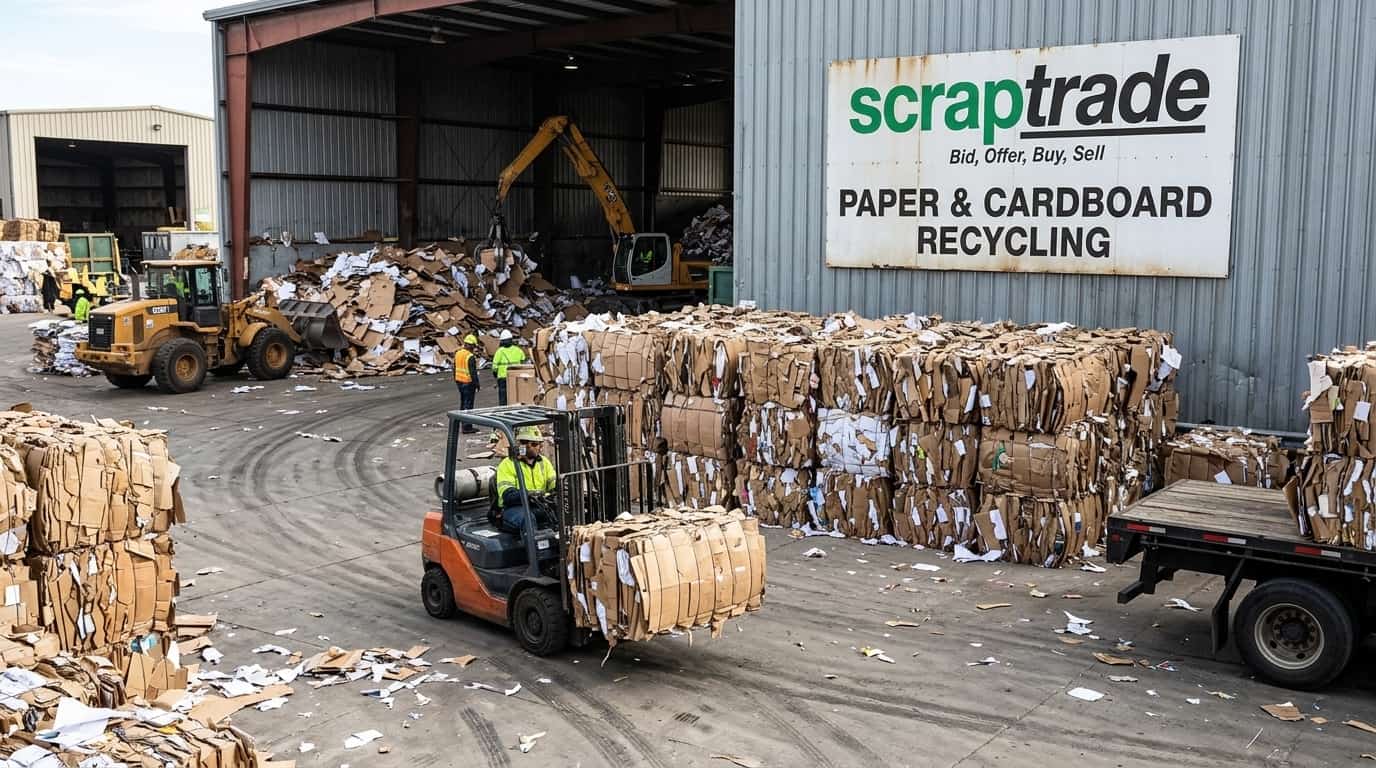
Used cardboard boxes, packaging materials, newspapers and office paper often end up mixed with general waste. However, much of this material can be collected, processed and converted into new paper products through an organised recycling system. One of the most important materials in this supply chain is old corrugated containers (OCC), commonly known as used cardboard boxes.
The paper recycling process involves several stages, including collection, sorting, baling, pulping, cleaning and papermaking. Each stage affects the quality of the recovered fibre and the value of the material. For scrap traders, recyclers and businesses generating packaging waste, understanding how OCC is recycled helps identify suitable grades, avoid contamination and connect with the right buyers.
Why Paper and Cardboard Recycling Matters
Paper and cardboard are widely used in packaging, shipping, retail, offices and manufacturing. These materials can often be recycled because their fibres can be recovered and used to manufacture new paper-based products.
Recycling paper and cardboard helps businesses manage waste while supplying recovered fibre to paper mills and packaging manufacturers.
There are several reasons why paper recycling is important:
- Material recovery: Used cardboard and paper can become raw material for new packaging, paperboard and other products.
- Reduced landfill disposal: Separating recyclable paper from general waste can reduce the amount of recoverable material sent to disposal facilities.
- Industrial supply: Paper mills use recovered fibre alongside other inputs, depending on the product and manufacturing process.
- Commercial value: Clean, sorted and properly baled paper scrap can be more attractive to buyers than mixed or contaminated loads.
- Resource management: Recycling supports the continued use of recovered fibre within the paper and packaging supply chain.
OCC is particularly important because businesses, warehouses, retailers and distribution centres generate cardboard packaging in substantial quantities. When this material is kept clean and separated, it can become a valuable recyclable commodity.
How OCC Is Recycled
The OCC recycling process converts used corrugated cardboard into recovered paper fibre. The process may vary between recycling facilities, depending on equipment, incoming material quality and the type of paper products being manufactured.
Collection and Baling
The process begins when businesses and collection operators gather used cardboard from sources such as:
- Warehouses and distribution centres
- Retail stores and supermarkets
- Manufacturing facilities
- Offices and commercial buildings
- Packaging and logistics operations
Collected cardboard is inspected and separated from unwanted materials. Workers or sorting equipment remove items such as plastic packaging, metal straps, food waste and other contaminants.
The cardboard is then compressed into bales using a baling machine. Baling reduces the volume of loose material, making storage, handling and transportation more efficient.
Bale quality is important. Buyers may assess the material based on its grade, cleanliness, moisture condition, consistency and the presence of prohibited contaminants. Loose, mixed or poorly prepared material may require additional sorting and can attract different buying terms.
For businesses selling OCC, keeping cardboard dry and separating it from other waste before baling can improve its marketability.
Pulping and Cleaning
After delivery to a paper recycling mill, the OCC bales are opened and fed into a pulper.
A pulper mixes the cardboard with water and mechanical agitation to break it down into a fibre suspension called pulp. The objective is to separate the paper fibres while allowing unwanted materials to be removed.
The pulp then passes through cleaning and screening equipment. These stages help remove contaminants such as:
- Plastic pieces and packaging fragments
- Adhesive residues
- Staples and other small metal objects
- Sand, grit and other heavy particles
- Unwanted fibres or oversized material
Different mills use different combinations of screens, cleaners and other treatment systems. Some processes may include additional stages to improve pulp quality or remove ink, depending on the intended paper product.
The quality of the incoming OCC influences how much cleaning is required. Cardboard containing excessive plastic, food residue, wax coatings or other unsuitable materials can make processing more difficult.
Making New Paper
Once the pulp has been cleaned and prepared, it moves to the papermaking stage.
The pulp is distributed across a moving screen, where water drains away and the fibres begin forming a continuous sheet. The sheet then passes through pressing and drying sections to remove additional moisture and develop the required strength and thickness.
Depending on the mill and product specification, the paper may undergo further finishing, coating or surface treatment.
Recovered fibre from OCC can be used to manufacture products such as:
- Corrugated packaging paper
- Containerboard and linerboard
- Paperboard
- Recycled packaging materials
- Certain grades of industrial and commercial paper
The finished paper may then be supplied to packaging manufacturers and converted into new boxes or other paper products.
This creates a circular material flow: cardboard packaging is collected after use, processed into recovered fibre and supplied back into manufacturing.
Contamination and Moisture Concerns
Contamination is one of the main factors affecting paper scrap quality. Even when a load contains a large quantity of recyclable cardboard, unsuitable materials can reduce its acceptance or require additional processing.
Common contaminants
Plastic film, food residue, waxed packaging, metal straps, glass and other waste materials may interfere with recycling. Some coatings and laminated packaging can also be unsuitable for particular paper mills.
Sellers should remove obvious non-paper materials before storage and baling. Where a buyer has specific restrictions, those requirements should be followed.
Why moisture matters
Paper and cardboard absorb water easily. Wet material becomes heavier, which can distort the apparent quantity of usable fibre. Excessive moisture can also contribute to deterioration, mould and handling problems during storage.
To maintain quality:
- Store cardboard in a dry, covered area.
- Keep bales away from standing water and leaking roofs.
- Separate wet or damaged material from dry OCC.
- Avoid mixing food-contaminated packaging with clean cardboard.
- Inspect bales before dispatch.
Moisture and contamination limits should be confirmed with the intended buyer. Different mills may apply different inspection procedures and acceptance standards.
Where to Sell Paper Scrap
Businesses generating cardboard and paper waste can sell recovered material to paper mills, recycling companies, packaging manufacturers, recovered-paper merchants and other industrial buyers.
The right buyer depends on the grade, quantity, location, bale condition and delivery arrangements.
Before offering paper scrap for sale, prepare accurate material information. Include the paper grade, estimated quantity, photographs, packaging or bale details, moisture condition and collection or delivery location.
It is also useful to confirm whether the buyer accepts OCC, mixed paper or another specific grade. A buyer looking for clean corrugated cardboard may not accept mixed paper or heavily contaminated packaging.
ScrapTrade provides a global online marketplace where businesses can connect with buyers and sellers across recyclable material categories. Paper scrap suppliers can use the platform to present their available material and explore potential trading opportunities.
You can explore the ScrapTrade marketplace or list available recyclable materials through the platform.
FAQs
What is the OCC recycling process?
The OCC recycling process starts with collecting and sorting used corrugated cardboard. The material is baled, transported to a paper mill, mixed with water in a pulper, cleaned to remove contaminants and processed into new paper sheets. These sheets can be used to manufacture packaging and other paper products.
What does OCC mean in paper recycling?
OCC stands for old corrugated containers. It generally refers to used corrugated cardboard boxes and packaging collected for recycling. OCC is a common recovered-paper grade supplied to paper mills, where its fibres can be processed into new containerboard and other paper-based products.
Can wet cardboard be recycled?
Wet cardboard may sometimes be accepted, but excessive moisture can reduce its quality and affect its suitability for processing. Wet material may also develop mould or deteriorate during storage. Sellers should keep OCC dry and check the receiving buyer's moisture and acceptance requirements.
What products are made from recycled cardboard?
Recovered cardboard fibres can be used to manufacture corrugated packaging paper, containerboard, linerboard, paperboard and other suitable paper products. The final application depends on fibre quality, processing methods and the specifications of the paper mill.
Conclusion
Paper and cardboard recycling turns used packaging into a valuable source of recovered fibre. The process begins with collection and baling, followed by pulping, cleaning and papermaking. OCC is an important recovered-paper grade, but its commercial value depends on cleanliness, moisture condition, consistency and buyer specifications.
For businesses generating cardboard waste, proper sorting and dry storage can make material easier to sell. For scrap traders, understanding paper grades and mill requirements helps identify suitable buyers and prepare more reliable offers.
Ready to trade recovered paper and cardboard? Explore the ScrapTrade marketplace and connect with businesses trading recyclable materials.