

A standard scrap car battery price in Australia sits at about $10 to $25, depending on size, condition and where you sell it. Most buyers pay $0.50 to $1.00 per kilogram, though low offers run from $0.10 to $0.50 per kilo. If someone online quotes you $40 for a tired old battery, they're selling something, not buying something.
The number that matters is the one on the yard's scale ticket, and that can differ from the number on a website. Here's how the pricing works, and where sellers lose money.
Scrap car battery price: what one battery pays right now
Yards price batteries by gross weight. A truck or deep-cycle battery pays more dollars than a small passenger car battery because it weighs more, not because it's a better grade. A 25 kg battery at the same per-kilo rate pays roughly double a 12 kg one.
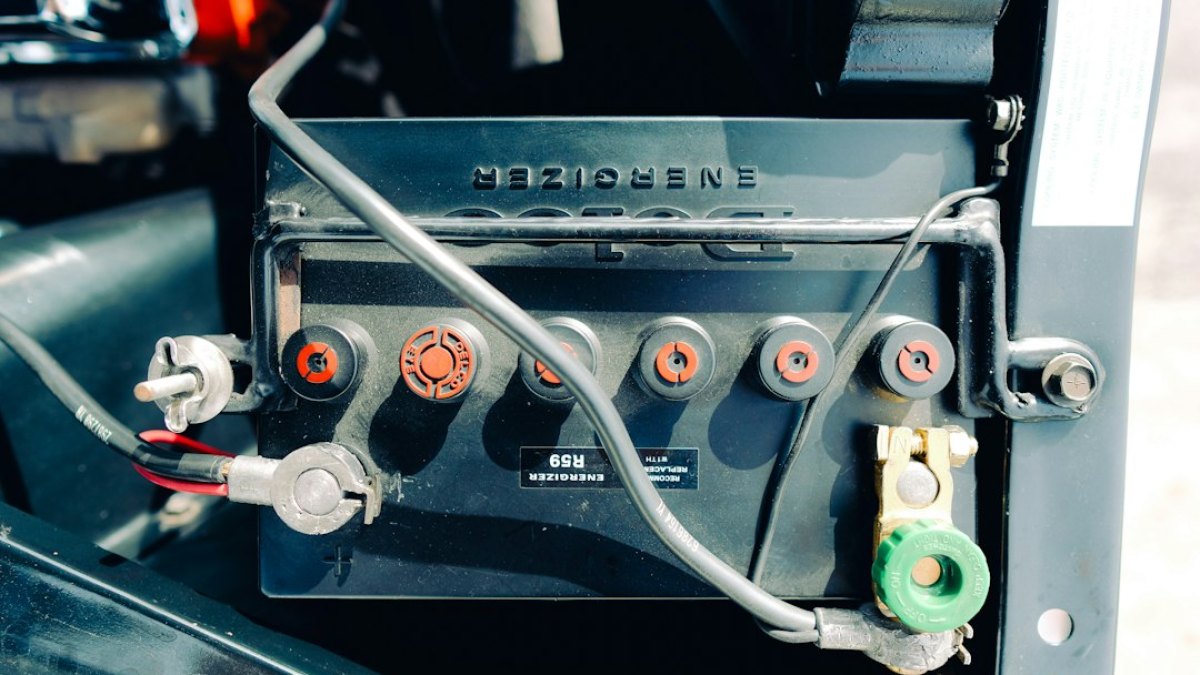
Rates track the lead price, and the lead price moves. Australian buyers adjust their offers as the underlying market shifts, so the figure you read this week may not match the scale ticket next week.
And the yard down the road may well pay more. Rates vary by buyer, load size and region. Get two or three quotes before you sell. It costs you a few phone calls and often a few dollars a kilo.
Why buyers price the whole battery, acid and case included
A recycler doesn't want your battery. It wants what's inside it. The recycler recovers the lead, neutralises the acid and reclaims the polypropylene case, so the price is built on the gross weight of the whole unit.
Lead carries the value. A dead car battery is roughly 60 to 70 percent lead by weight; the acid and plastic add weight but little of it. That's why buyers count the whole unit on the scale, casing and acid included.
Most yards weigh the lot. Some pay a flat per-unit rate for standard car batteries, which saves the argument about whose battery is heavier. Either way, do the arithmetic honestly: a 15 kg battery at $0.60 to $1.00 per kilo lands in the $9 to $15 range. If a quote is far above that for a single unit, check what's behind it.
A whole battery is not the same listing as clean soft lead
Here's the trap that catches people who've checked lead prices online. ScrapTrade's reference calculator lists clean soft lead, and that listing explicitly excludes battery casing. Loose lead scrap and a complete lead-acid battery are different categories with different rates.
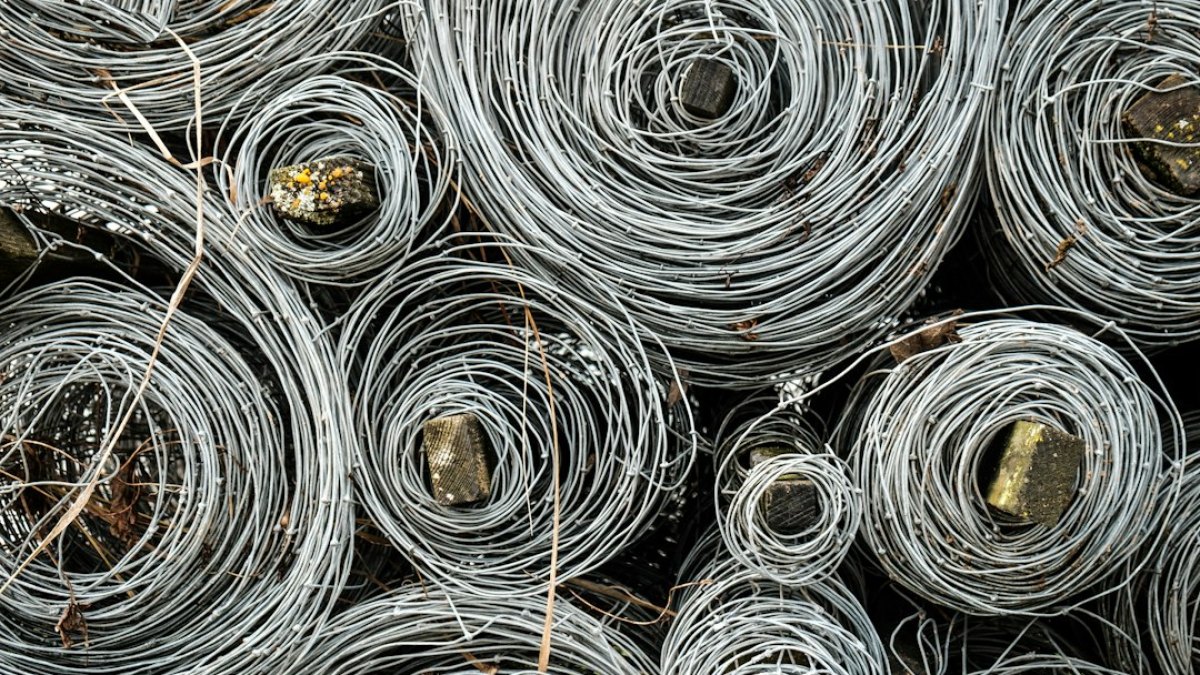
Sellers see a lead price per kilo, assume their battery qualifies at that rate, and arrive at the yard expecting soft-lead money for a cased battery. It doesn't work that way. The casing and acid put the battery in its own grade.
Handling differs too. Whole batteries are classed as hazardous goods because of the acid, and some buyers want them kept separate from mixed lead scrap. Ask the buyer which category your load falls under before you load the ute, not when you're standing on their weighbridge.
Preparation that protects your price
Keep batteries upright, protect the terminals and prevent short circuits during transport. A spanner across the terminals of a battery sliding around a tray is a real hazard, not a paperwork problem.
Can you sell a leaking battery? Sometimes, but expect a discount or a flat refusal. Condition rules at yards commonly require whole, intact cases with caps in place, and cracked or leaking units get refused outright at some buyers. Ask before you commit to a trip.
Never drain the acid or break the case open. It's dangerous, it gains you nothing because buyers price the whole unit anyway, and it can turn a sale into a refusal. Dirty or flooded units still sell, but at a lower rate. Tell the buyer before pickup so nobody wastes a drive.
Hybrid, EV and damaged batteries are a different trade
Hybrid NiMH and EV lithium-ion packs look like car batteries. They're not lead scrap, and most buyers won't price them by weight. A lithium pack turning up at a lead-battery counter gets you a shake of the head at best.
A serviceable hybrid pack does have resale value, often real money, but it needs a specialist buyer, not a scrap yard. Salvagers and hybrid repairers pay for working packs; scrap rates don't apply.
Damaged, swollen or hot lithium packs are a fire risk and must stay out of mixed scrap. A damaged or leaking unit needs isolated handling, away from combustible material, and direct confirmation with a buyer before anything moves. Don't improvise.
How to sell and where it goes wrong
The three traps, in the order people hit them:
- Casing mislisting. You quote a clean soft lead price for a cased battery. Fix: list it as a complete lead-acid battery and ask the buyer which grade applies.
- Wrong chemistry. A hybrid or EV pack goes in with the lead batteries. Fix: name the chemistry up front and find a buyer who handles it.
- Acid draining. Someone tips the acid out to cut weight or "clean it up". Fix: don't. It's hazardous, it saves nothing, and buyers can refuse the lot.
Describe the chemistry and condition honestly, and confirm acceptance, packaging, transport and quantity rules with the buyer before collection. ScrapTrade's Quick Sale flow covers the basics: you submit photos, location and pickup details, and logistics partners collect most qualifying loads, with eligibility and pricing confirmed separately.
One more thing to nail down: who handles the hazardous-goods side of transport, you or the buyer. Batteries with acid are regulated freight, and the answer changes what you can legally load yourself.
One battery is a chore, ten are a sale
A single battery pays $10 to $25. After fuel and an hour of your day, that's barely worth the trip. Batching is what changes the maths. A garage clearing old stock, a fleet shed or a few dead batteries from the family cars adds up to a load worth quoting properly.
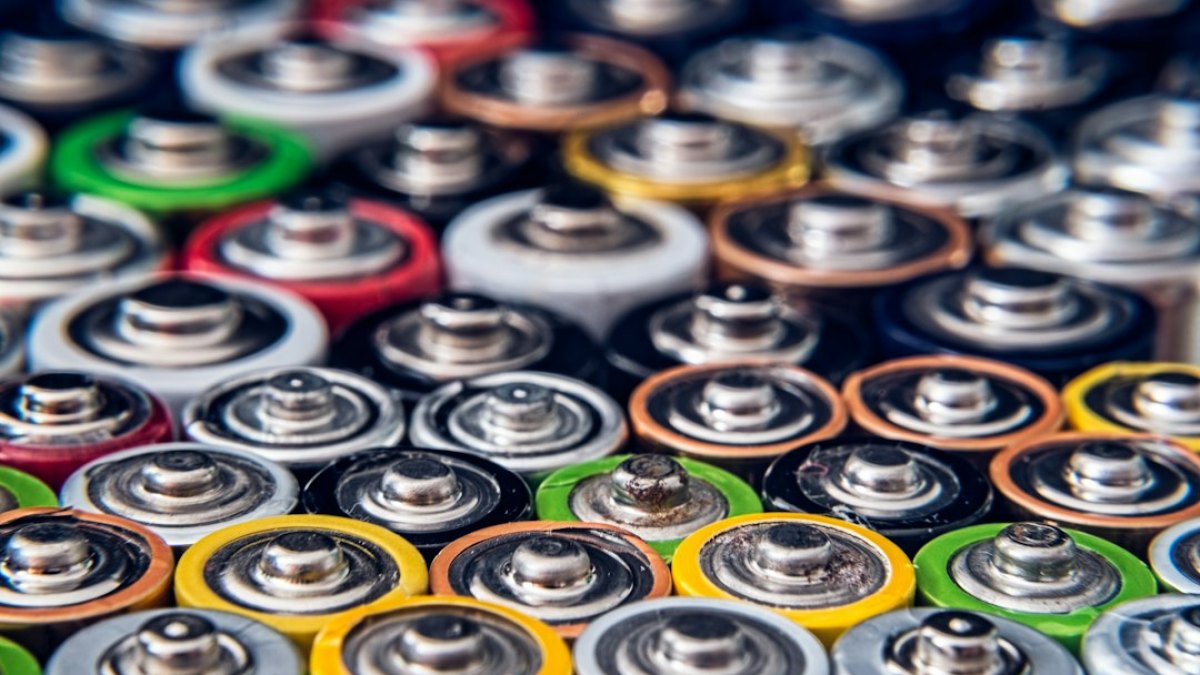
Larger loads also move you up the rate range, from the $0.10 to $0.50 per kilo offers toward the top of the scale. Buyers pay for tonnage, not single units.
So batch what you have, list your scrap on ScrapTrade, and get offers from verified buyers across Australia. Sell the batteries whole and intact, leave the acid and casing alone, and let the weight do the work.
Frequently asked questions
Do scrap yards pay by weight or per battery?
By weight, almost always. The battery goes on the scale and you're paid a rate per kilogram, though some buyers quote a flat price per unit for standard passenger batteries. Ask which applies before you load the ute.
Can I sell a cracked or leaking car battery?
Usually not as ordinary scrap. Many buyers turn damaged batteries away or treat them as hazardous waste with separate handling. Ring ahead, keep the battery upright in a tray, and never toss it in with mixed scrap.
Should I drain the acid before taking a battery in?
No. Buyers expect the battery complete, acid and all, and draining it puts corrosive electrolyte in your hands for no gain. Neutralising and disposing of electrolyte is licensed-facility work, not a driveway job.
Will scrap yards take hybrid or EV batteries?
Generally no, not across the counter. Hybrid and EV packs are high-voltage lithium or nickel units rather than lead-acid, so they need a buyer licensed to handle them. ScrapTrade lists batteries and e-waste as categories, but you must confirm the buyer can legally receive your exact pack, and never open or dismantle a pack to strip parts.
Is it worth selling just one battery?
Yes, if a buyer is already on your route. A single passenger battery is a small sale, so a long drive can eat the return; if pickup is the only option, list it on ScrapTrade and confirm the buyer will take a single unit before you book anything.
What's the difference between scrap lead and a whole battery?
Scrap lead is bare metal, sold as clean soft lead with no casing attached. A whole battery is casing, plates and acid together, and it trades as a complete lead-acid unit, not as lead. ScrapTrade's calculator makes the split explicit: its clean soft lead listing excludes battery casings.