

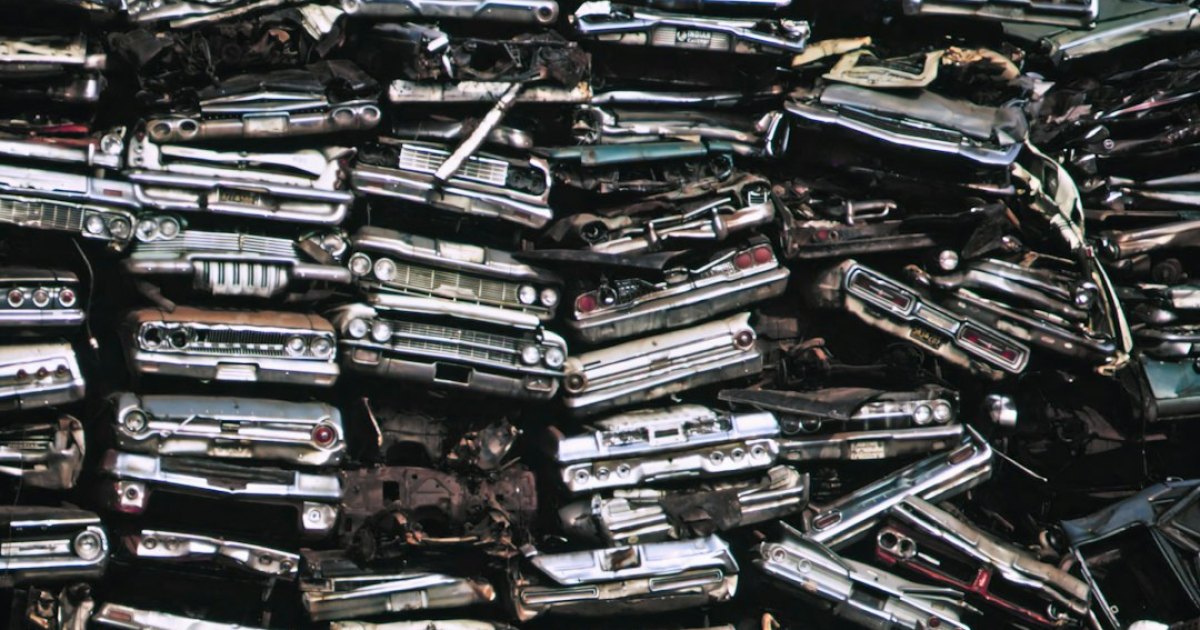
How much can you earn from bulk scrap metal collection?
A bulk mixed steel load in Australia is priced as a per-tonne band for ferrous, not as one national figure. Use the ScrapTrade calculator as an indicative reference only. The number that counts is what a named Australian buyer commits to on the day the load goes over the weighbridge.
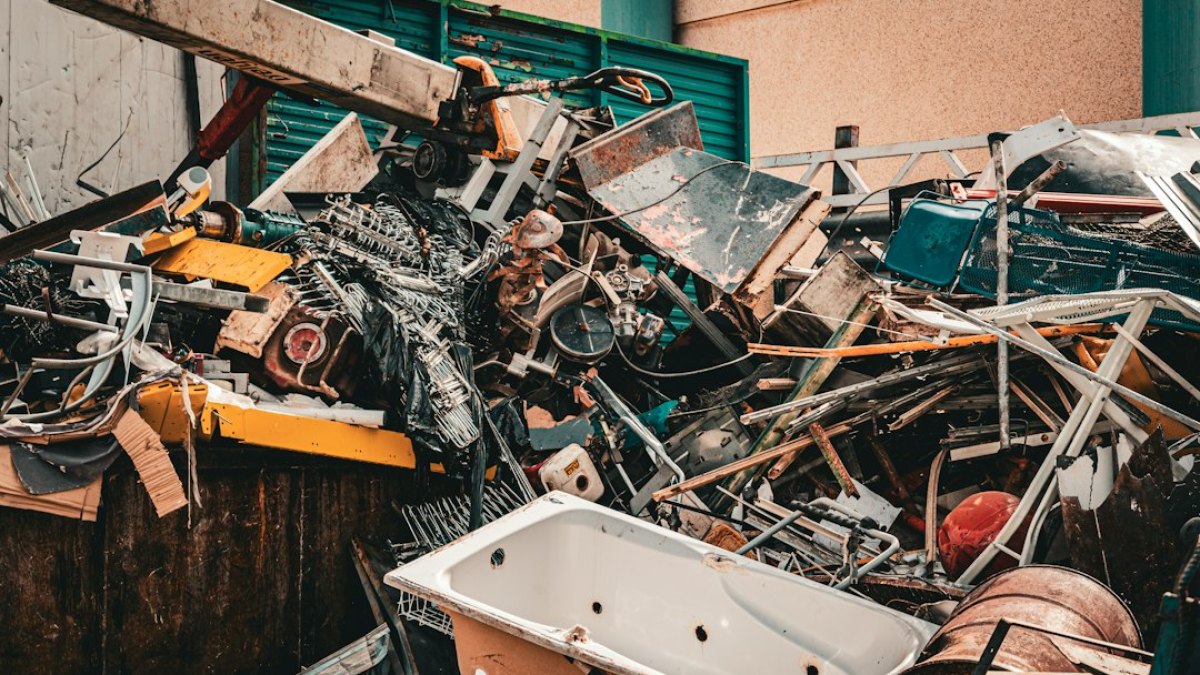
No single published price exists, because grade, contamination, location, transport, the weighbridge date and the buyer's stock position all move the number. US figures can show the direction of the market and the rough ratio between mixed and sorted material, but they are not the Australian payout. Your price is the committed Australian buyer price.
Two things move a bulk payout more than daily market swings: how well the load is sorted, and who does the hauling.
Run the number twice on a real load
Say a 5-tonne load of mixed steel with 400 kg of copper, brass or aluminium buried in it. Run the number twice: once at the grade the seller expects, such as HMS 1 or HMS 2, and once at the grade a mixed, unsorted load would likely fetch.
Unsorted, the whole 5 tonnes crosses the scale at an iron price, buried non-ferrous included. Sorted, the ferrous is paid at the ferrous rate and the non-ferrous at its own grade. The gap between the two runs is the value of the separated metal, minus the labour and time to pull it out.
Sort before selling if more than a few hundred kilos of copper, brass or aluminium is buried in the ferrous. If the load is genuinely all light iron with nothing else in it, sorting gains nothing.
The downgrade rule decides the ticket
An unsorted load is priced at or near its lowest-value component, not the average of what is in it. Grading happens by eye at tipping, and one contaminant can redefine the whole load. Sellers assume a mixed load gets a mixed price. The yard prices the load as the grade it is tipped as.
So a length of copper worth real money crosses the ferrous scale at iron price if it is buried in the steel. The yard pays for the copper content, at iron rates. You carry the loss.
The mistake is assuming the yard will average things out. It won't. A bulk load is graded once, at the tip face, on what the grader can see.
A drop from HMS 1 to HMS 2, or from HMS 2 to a lower ferrous grade, changes the per-tonne number enough to matter on a bulk load. That is why the grade matters more than the day's market tick.
HMS 1 and HMS 2 are not the same grade
HMS 1 is a cleaner, flatter, lower-contamination ferrous grade: clean heavy steel at least a quarter inch thick, with no tin, no galvanised or coated material and no non-ferrous attachments. HMS 2 is one step down: mixed heavy steel that may include coated or painted material.
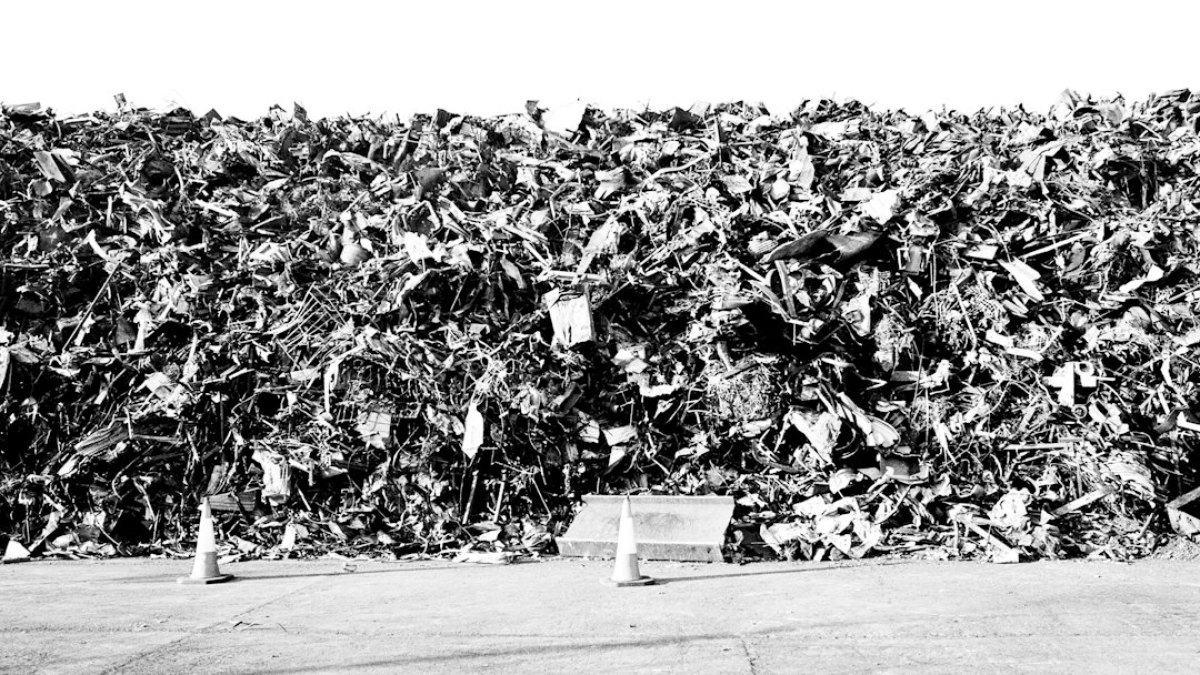
If the load is flat, clean and free of coatings and attachments, it can be HMS 1, but mixed thickness or light surface contamination points to HMS 2. Non-ferrous or insulation in the mix means it is not HMS 1 and may be downgraded further.
The grade is not a promise. The buyer calls it at the gate, so the quote must state what happens if the grade changes. Confirm the specification with the intended buyer before you commit to a price or book a truck.
Collection pays less because someone else drives
Yes, yards and collectors often pay less when they pick up the scrap, because they cover the haulage and the driver's time. The discount grows with distance and awkward access.
Collection is the right call for small loads, or when there is no trailer. If you have a trailer and the load is over about a tonne, deliver it yourself and keep the convenience cut.
Deductions and sealed cylinders can rewrite the ticket
The weighbridge weight includes everything, so moisture, dirt, attached non-ferrous and fittings can be deducted or used to downgrade the load. Cutting charges apply to oversize pieces.
Sealed gas cylinders and pressurised containers are a safety rejection risk, and Australian buyers take that seriously. Never cut into one to prep the load. Check for cylinders and moisture before you tip, because that is where sellers lose value at the gate.
Get a quote that survives the weighbridge
Get the quote in writing, per tonne and per grade, fixed at tipping, with the minimum load stated and the gate-grading outcome agreed. It must state the basis, delivered or collected, and what happens if the grade changes at the gate.
A phone quote with no grade, no basis, no fixing point and no gate-grading clause will not survive the weighbridge.
List your scrap on ScrapTrade and get offers from verified buyers across Australia.
Frequently asked questions
Is there a scrap metal collection business that gives cash for bulk items?
Cash isn't guaranteed. Some buyers arrange collection, but you need to confirm the payment method, price, weighing method and access details before the truck is booked.
Do scrap yards pay less if they pick up the scrap from you?
They can, if the buyer factors in transport and handling. Ask whether the price is for drop-off or collection before you agree.
What is mixed steel scrap worth per tonne?
There's no single price. It depends on the grade, thickness, coating, contamination, volume and the buyer's current specification. ScrapTrade's calculator gives an indicative value, not a guaranteed payout.
Is it worth sorting scrap before selling it?
Yes, if you can do it safely. Buyers can discount mixed loads, so separating copper, aluminium, brass, stainless steel, steel and cast iron can make the load easier to price.
Why did my scrap load get graded down at the yard?
The load likely didn't match the grade you listed. Paint, oil, moisture, plastic, rubber, wood, sealed parts, mixed alloys or unknown material can drop the grade. If you're not sure of the grade, say it's unverified and show what's visible.