

You don't need a licence to sell scrap metal in Australia. The licence is the buyer's problem. If you are a householder with a ute load of old pipes or a tradie clearing a job site, the registration obligation sits on the other side of the counter.
So where to sell scrap metal Australia licence rules come down to your state. The dealer must be registered and must record your ID. In some states, EFT only. Knowing that before you drive to the yard saves a wasted trip.
You usually do not need a licence to sell scrap metal
A householder selling a one-off load generally does not need a seller's licence, though the rule sits with the regulator in each state, so check yours. The same goes for a tradie clearing a job site, or a business selling its own scrap. The regulated party is the buyer. The yard.
In NSW, search results quoting NSW Police fact sheets say a person who deals in scrap metal on more than six days in a 12-month period is presumed to be carrying on a business, and that business can run from a vehicle or a residential driveway rather than a registered yard. We could not open the fact sheet to confirm this, so check it on the NSW Police site.
A one-off household load is not a business. You are not the dealer.
This article uses NSW and Victoria as worked examples. State rules differ, and a blanket answer for all of Australia is wrong.
The dealer must record your ID, not the other way around
Expect to show photo ID at any compliant yard. The dealer records your name and address as shown on the ID, plus your date of birth. Which documents count varies by state and yard, so ask ahead what they accept.
The dealer keeps these details because the law requires it, not as a favour. In NSW, the transaction record must include seller identification and a copy of the payment record.
If a dealer will not tell you what they record and where it goes, do not sell to them. You cannot avoid the ID check at a yard in a regulated state. If that worries you, an online platform such as ScrapTrade shares some information with the other party to enable a transaction, and you can read the privacy policy before you list.
State rules change what a dealer can do
There is no single national rule.
Each state and territory sets its own requirements for scrap metal dealers, covering registration, ID checks, payment methods and record keeping. A seller in Queensland or South Australia faces different ID or payment rules from someone in NSW.
If a page gives you one answer for all of Australia, treat it as a starting point. Check the regulator in your state or territory before you sell. NSW and Victoria appear here because they publish the most detailed public guidance.
Cash offers are a warning sign in NSW and Victoria
In NSW, the Scrap Metal Industry Act stops a dealer from paying cash or a cheque payable to cash, and from paying in kind as well.
Victoria goes further. The ban covers both the buying and selling side, and a dealer can only pay by non-transferable cheque (not payable to cash) or electronic funds transfer. E-currency such as bitcoin is excluded.
The ban sits on the dealer, not on you. But a compliant buyer will not offer cash, so if someone does, it points to a buyer skipping the ID check and the record-keeping that go with it. For a compliant sale, expect EFT into your bank account.
Where to sell scrap metal Australia licence: your options
Drop-off at a yard is the simplest route for a small load. You weigh the vehicle in, unload, weigh out, and get paid on weight and grade. The yard grades the load on calibrated scales and pays by weight, with a receipt showing the metal type and the amount.
Free pickup or bins can work for commercial volumes. An online marketplace such as ScrapTrade lets buyers bid based on demand and location, which can get you a better price when the metal is wanted nearby.
For a ute load of household scrap, a yard is fine. For larger or mixed loads, compare pickup and online offers before you commit. The licence rule matters here: you can only sell to a registered dealer, so an unregistered buyer is not an option no matter what they offer.
ABN, proof of ownership, and load prep
You do not need an ABN for a one-off household load. A yard may ask for one if you are selling commercial quantities or trading as a business, and thresholds vary between yards, so call ahead with the details of your load.
Sort ferrous from non-ferrous with a magnet. Strip plastic and rubber off the metal, and declare any contaminants or hazardous material. If you are selling a scrapped vehicle or a bundle of cabling, have proof of ownership ready.
Batteries and e-waste need a separate check
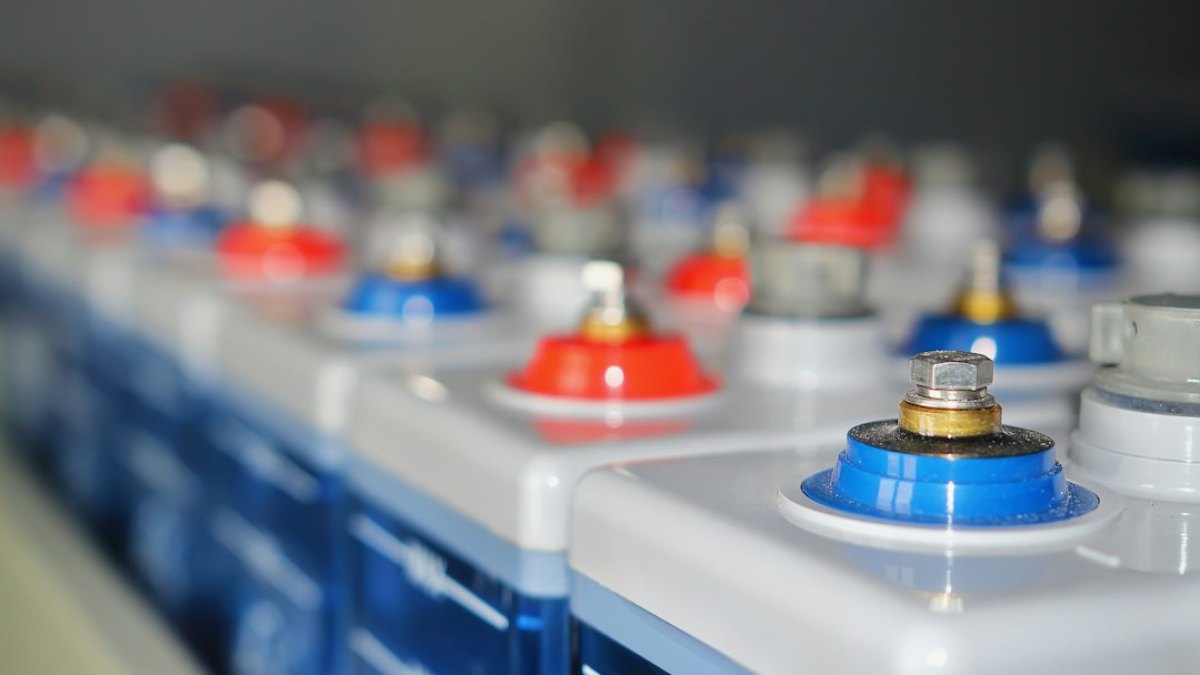
A complete lead-acid battery is not the same listing as clean soft lead scrap. The casing is the difference, and not every buyer can lawfully receive batteries. Check before you list or drop off. E-waste such as circuit boards and cables can carry different handling and record-keeping requirements depending on the buyer and the state.
Where the sale goes wrong
The privacy trap is the one most sellers miss. In NSW, your driver licence number, full name, residential address and date of birth go into the dealer's records by law, and few sellers realise how much the dealer must keep. If you would rather not hand a yard your licence number, an online platform is an alternative, but read what it shares with the other party before you list.
The cash trap is the second. In NSW and Victoria, a dealer paying cash is breaking the law. A cash offer is not a friendly gesture. It points to a buyer skipping the ID check and the record-keeping too, and that is how stolen metal moves. Walk away.
The definition trap is quieter. In Victoria, copper over 80% by weight is second-hand goods, not scrap metal, and that changes which rules apply. A seller who does not know the classification can end up following the wrong set without realising it.
A household seller reading a dealer-focused page can also wrongly conclude they need registration themselves. The seller's rule and the dealer's rule are different obligations. Mixing them up means wasted worry, or selling to an unregistered buyer.
What to do before you sell
Check your state's rules before you drive anywhere. Bring photo ID, and an ABN if you are selling commercially. Sort the load and declare any hazards. Keep proof of ownership handy for vehicles or cabling.
If you would rather not have a yard holding your licence number, check what an online platform shares before you list. ScrapTrade lets you list your scrap and get offers from verified buyers across Australia.
More on ScrapTrade: Dangerous Items in Scrap and What to Refuse, Sell #2 Copper Scrap in Australia: Grading and Prep and Best Scrap Metal Prices Near Me: Compare Yard Quotes.
Frequently asked questions
Do I need a licence to sell scrap metal in Australia?
No, if you're a private seller making a one-off sale; a dealer or regular trader may need a licence in some states. Check your state or territory rule if you sell often or as a business.
Do scrap yards need my driver licence number?
Sometimes, yes. A licensed dealer may record it as part of an ID check, but the rule depends on your state and whether you're the seller or dealer.
Can I sell scrap metal without ID?
No, not to a licensed dealer in a state that requires ID; a private buyer may not ask, but you still need the legal right to sell the metal.
Can I get paid cash for scrap metal in NSW?
No. Under NSW's Scrap Metal Industry Act, a scrap-metal dealer can't pay cash for scrap metal, including by cheque payable to cash or in kind with goods or services.
Do I need an ABN to sell scrap metal?
Not always. On ScrapTrade, it depends on your account type and current onboarding rules, so check the live registration process or support before you prepare documents.
Where's the best place to sell scrap metal near me?
A licensed dealer or recycler near you for bulk loads, or ScrapTrade to compare local buyers for smaller or mixed loads. Check the buyer can legally receive and handle the exact item.
What we could not verify
- The six-day presumption in NSW, which we read only in quotes of NSW Police fact sheets.
- Rules in Queensland, Western Australia, South Australia, Tasmania, the ACT and the Northern Territory beyond our state guide.
- Whether a particular yard asks for your licence number.
Sources
- NSW Police Force, Scrap Metal Industry page, Scrap Metal Industry Act 2016 and Regulation 2024.
- Consumer Affairs Victoria, Scrap metal laws.
- Our guide Scrap Business Rules in Australia by State, which sets out the official sources and the pending points.
General information only, not legal or tax advice. ScrapTrade operates a scrap marketplace and has a commercial interest in the scrap trade.