

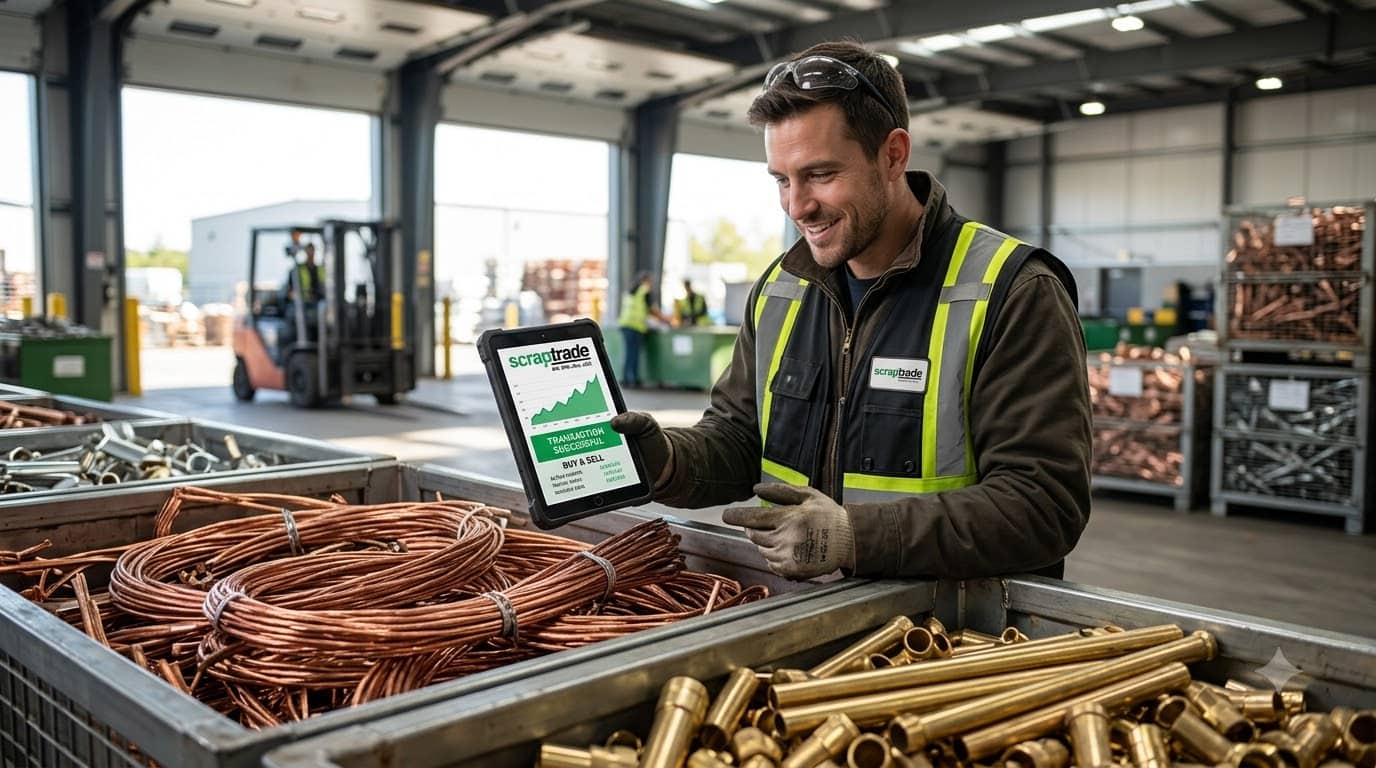
Scrap can have real commercial value when it is properly identified, sorted, prepared, and sold to the right buyer. From copper and aluminium to steel, brass, e-waste, plastics, tyres, and paper, businesses and individuals can turn recyclable materials into revenue.
But making money with scrap is not simply about collecting as much material as possible. The biggest opportunities often come from understanding what you have, knowing what buyers want, comparing offers, and controlling your costs.
For beginners, an online marketplace can also make it easier to reach potential buyers beyond a local scrap yard and explore different trading opportunities. What Does It Mean to Make Money With Scrap?
Making money with scrap generally means acquiring recyclable material at a cost below its potential resale value, then selling it to a recycler, processor, manufacturer, scrap dealer, or other buyer.
The difference between your total costs and your final selling price determines whether a transaction is profitable.
Those costs can include collection, sorting, labour, transportation, storage, processing, and other expenses. This means a material with a high market value is not automatically profitable if it is expensive to collect or prepare.
For beginners, the goal should be to understand the complete economics of a scrap transaction rather than focusing only on the quoted price per kilogram or tonne.
Which Types of Scrap Can Make Money?
Different scrap materials have different markets, grades, and buyer requirements.
Copper is widely traded and can include wire, cable, pipes, sheets, and other copper-bearing materials. Grade and copper content can significantly affect its commercial value.
Aluminium can come from extrusion, wheels, cans, sheet, cast products, and other sources. Separating aluminium from other materials can make a listing easier for buyers to evaluate.
Steel and HMS are common ferrous scrap categories. Their commercial value depends on grade, preparation, quantity, location, and market conditions.
Brass can include fittings, valves, turnings, and different brass alloys. Mixed material or attachments can affect how buyers classify a lot.
Other potentially tradable materials include stainless steel, e-waste, plastics, rubber, tyres, paper, and cardboard.
The key is not to assume every piece of scrap has the same value. Identification and sorting are fundamental to making better trading decisions.
How to Find Scrap to Sell
Beginners can look for scrap through legitimate and permitted sources such as businesses, manufacturers, construction operations, workshops, recycling operations, industrial facilities, and other organisations that generate recyclable materials.
The best source depends on the material you want to trade.
For example, a workshop may generate metal offcuts, while an industrial manufacturer may have recurring production scrap. Businesses replacing equipment may generate electronic scrap, cables, machinery, or other recyclable materials.
If you plan to buy scrap for resale, establish clear commercial terms with the supplier before taking possession of the material.
You should also consider the cost of collection and transportation. A low-cost scrap lot located far away may be less profitable than a slightly more expensive lot located close to your processing or storage facility.
Why Sorting Scrap Can Increase Its Commercial Potential
Mixed scrap is often harder for buyers to evaluate than properly separated material.
Sorting helps identify the material type and can make it easier to communicate specifications to potential buyers. For metals, separating ferrous and non-ferrous materials is an important first step. Further sorting by material, alloy, grade, or condition may also be appropriate.
For example, a mixed pile containing copper, aluminium, steel, and other materials may need to be separated before buyers can accurately assess it.
Clean, consistently described material can also make negotiations easier because buyers have better information about what they are purchasing.
However, sorting and processing have costs. A beginner should compare the potential increase in selling value with the labour, equipment, time, and handling required.
How Scrap Is Priced
Scrap pricing is influenced by several factors rather than one universal rate.
Material type, grade, purity, weight, contamination, quantity, preparation, location, logistics, and current market conditions can all affect the commercial value of a scrap lot.
The buyer's requirements also matter. Two buyers may value the same material differently because they have different processing capabilities, specifications, freight costs, or end uses.
A market reference price can provide a useful starting point, but it should not automatically be treated as the final price of a transaction.
Before buying scrap for resale, estimate your expected selling price and subtract all relevant costs. This gives you a more realistic picture of the potential margin.
Selling Scrap Online to Reach More Buyers
Traditional scrap selling often depends on nearby yards or existing business relationships. Online trading can provide another route to market.
A digital scrap marketplace allows sellers to create listings that describe the material, quantity, condition, location, and other relevant information. Potential buyers can then review the available material and decide whether it matches their requirements.
On ScrapTrade, businesses can list scrap materials and connect with potential B2B buyers through a global online marketplace.
This can be particularly useful for sellers with larger quantities or specialised materials that may have a limited local buyer pool.
A strong listing should clearly describe the material rather than relying on a generic title. Include accurate quantity information, photographs where useful, location, grade or specification, and relevant details about contamination or preparation.
You can buy and sell scrap online through the ScrapTrade marketplace.
FAQs
Can you really make money with scrap?
Yes, scrap can have commercial value, and businesses can make money by sourcing, sorting, processing, and selling recyclable materials. Profitability depends on purchase costs, selling prices, operating expenses, and market conditions.
What is the most valuable scrap?
There is no single material that is always the most profitable. Copper, aluminium, brass, stainless steel, and other materials can have different values depending on grade, purity, market conditions, and location.
Is collecting scrap a good business for beginners?
It can be, particularly when a beginner starts with materials they can identify and source consistently. Understanding local rules, handling requirements, transportation costs, and buyer demand is important before scaling.
How can I get a better price for scrap?
Accurate sorting, clean preparation where appropriate, clear descriptions, larger consistent quantities, and comparing offers can help you pursue better commercial terms.
Conclusion
Making money with scrap starts with understanding the material and ends with understanding the complete transaction economics.
Learn how to identify and grade scrap, source it responsibly, sort it properly, compare buyer offers, and calculate your real costs. These fundamentals can help beginners make more informed decisions and avoid common mistakes.
As your experience grows, you can explore larger quantities, recurring supply relationships, specialised materials, and wider buyer networks.