

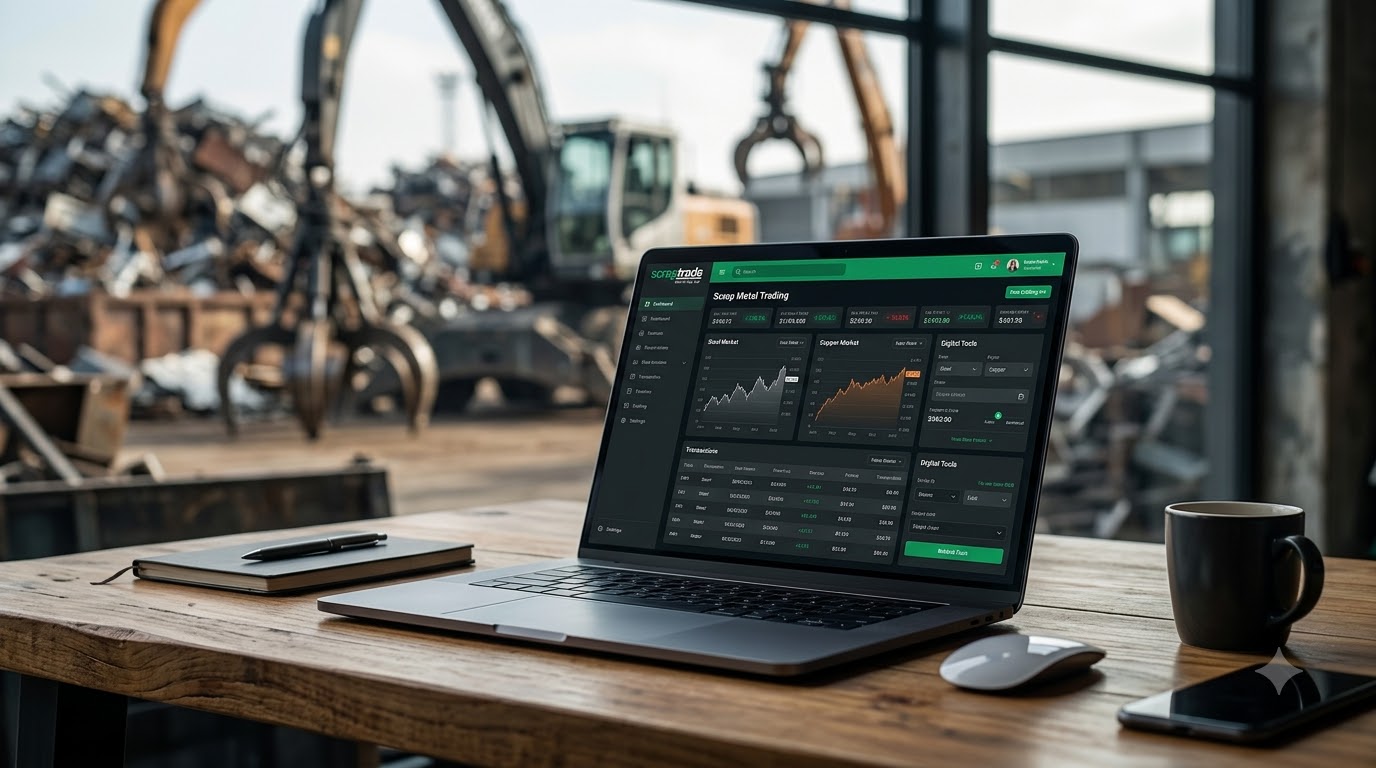
The scrap industry is becoming increasingly digital as buyers, sellers, recyclers, processors, and scrap dealers look for more efficient ways to trade recyclable materials. Traditional methods often rely on phone calls, personal contacts, spreadsheets, and manual negotiations. While these methods can still support business relationships, they may limit visibility into available materials and make it harder to discover new trading opportunities.
Scrap metal trading software helps businesses manage the buying and selling process through digital tools. Depending on the platform, these tools can support material listings, buyer discovery, offer management, negotiations, business verification, and transaction documentation.
For businesses handling bulk quantities of copper, aluminium, steel, brass, electronic waste, plastics, and other recyclable materials, online trading platforms can provide access to potential counterparties beyond an existing supplier network.
However, it is important to distinguish scrap trading software from scrap inventory management software. A trading platform helps businesses discover and negotiate transactions, while operational inventory software focuses on tracking stock, purchases, weights, processing, and sales within a business. Some systems offer both capabilities, but they serve different primary purposes.
What Is Scrap Metal Trading Software?
Scrap metal trading software is a digital system that helps businesses connect with potential buyers and sellers of recyclable materials and manage parts of the trading process online.
Depending on its design, a platform may allow sellers to publish available scrap, describe material grades, specify quantities, receive offers, and communicate with interested buyers. Buyers can browse listings, identify materials that match their requirements, and discuss commercial terms with sellers.
A B2B scrap trading platform is particularly relevant to businesses that buy or sell materials in commercial quantities. These can include scrap yards, metal recyclers, industrial manufacturers, demolition contractors, exporters, importers, and material processors.
Common material categories include:
- Copper, aluminium, brass, and other non-ferrous metals.
- Steel, cast iron, and heavy melting scrap.
- Electronic waste and recoverable components.
- End-of-life vehicles and machinery.
- Plastic, paper, cardboard, and other recyclable materials.
Not every platform supports all these categories, so businesses should check whether the system accommodates their specific materials and trading requirements.
The term scrap metal trading software can also refer to software used internally by a scrap dealer to record purchases, sales, weighbridge transactions, stock movements, and payments. This operational software is different from a marketplace designed to connect independent businesses.
Understanding that distinction helps companies choose technology that addresses their actual needs.
How Online Scrap Trading Works
Online scrap trading provides a structured way for buyers and sellers to discover opportunities, exchange information, and negotiate transactions. The exact workflow depends on the platform and the agreement between the parties.
Listing scrap for sale
The process often begins when a seller creates a digital listing describing the material available.
A useful listing includes the material category, grade where known, quantity, location, condition, photographs, and availability. Sellers may also specify a target price, minimum acceptable bid, or other requirements supported by the platform.
For example, a recycler with an available quantity of aluminium scrap can create a listing with photographs, an estimated weight, the material's condition, and its collection location. Buyers can then assess whether the material matches their requirements.
Accuracy is essential. If the grade is unconfirmed or the quantity is an estimate, the seller should disclose that information rather than presenting it as verified.
Detailed listings help reduce unnecessary enquiries and give potential buyers a clearer starting point for negotiations.
Finding buyers and reviewing offers
Once a listing is available, potential buyers can review the details and decide whether to enquire or submit an offer, depending on the platform's features.
A seller may receive offers from businesses with different purchasing requirements, processing capabilities, and delivery arrangements. Reviewing these offers can help the seller compare commercial options rather than relying entirely on one existing contact.
Buyers also benefit from access to a broader range of listed materials. Instead of contacting every supplier individually, they can explore available opportunities and approach sellers whose materials appear suitable.
However, an online listing or offer does not guarantee that a transaction will be completed. Buyers should verify material specifications and counterparties before committing to a purchase.
Negotiating quantities, prices and delivery terms
After identifying a potential match, the parties can discuss the details needed to establish a workable agreement.
These may include the final quantity, price basis, material grade, inspection procedure, weighing method, collection schedule, transport responsibilities, and payment conditions.
For bulk scrap trading, these details are particularly important because the commercial outcome can depend on the accepted net weight, quality requirements, transport costs, and any agreed deductions.
Both parties should document the final terms before dispatch. If the material must be inspected or tested before the final price is confirmed, the agreement should explain how that process works.
Digital trading tools can help organise these discussions, but the buyer and seller remain responsible for confirming the terms and fulfilling their obligations
Essential Features of Scrap Trading Platforms
The right features depend on whether a business primarily sources material, sells surplus scrap, or manages recurring bulk transactions. Several capabilities are particularly useful when evaluating scrap marketplace software.
Material listings and search filters. Buyers need to find relevant materials by category, grade, quantity, and location where those filters are available. Sellers need a clear way to present their available stock.
Offer and negotiation management. A platform may allow buyers to submit offers and sellers to review competing proposals. Some systems also support reverse bidding, where buyers compete by offering terms for a seller's material.
Business verification. Business identity checks and relevant documentation can help participants assess who they are dealing with. The scope and level of verification should be checked rather than assumed.
Material and transaction documentation. Listings, messages, photographs, offers, and agreed terms can provide a useful record of the transaction. Some platforms may also support digital contracts or related documentation.
Price references. Reference pricing can help participants understand broader market conditions. However, reference prices are not guaranteed transaction prices, and the final offer may depend on grade, quantity, location, and delivery terms.
Payment safeguards. Depending on the platform and transaction, payment-related features may include structured payment arrangements or escrow where applicable. Users should review the specific conditions, fees, eligibility, and release requirements.
Bulk trading support. Businesses handling large quantities may need clear quantity information, repeat-supply details, and the ability to discuss shipment and collection arrangements.
Communication and notifications. Timely updates can help users respond to enquiries, review offers, and coordinate next steps.
A platform does not need every possible feature to be useful. Businesses should prioritise capabilities that address their actual sourcing, selling, verification, and transaction-management needs.
Scrap Trading Software vs Traditional Scrap Trading
Traditional scrap trading often depends on established contacts, telephone calls, email, personal referrals, and direct negotiations. These approaches can be effective, particularly when buyers and sellers have built long-term relationships.
The challenge is that businesses may have limited visibility into opportunities outside their existing networks. Tracking conversations, comparing offers, and maintaining consistent listing information can also become more difficult as transaction volumes grow.
Online scrap trading platforms provide another channel for finding potential counterparties and presenting available materials.
| Trading activity | Traditional approach | Online trading platform |
|---|---|---|
| Finding counterparties | Existing contacts, referrals, direct outreach | Browse listings and discover potential trading partners |
| Presenting material | Calls, emails, photographs shared individually | Structured digital listings |
| Comparing offers | Manual communication and records | Offers may be reviewed through platform tools |
| Transaction records | Emails, spreadsheets, paper documents | Digital records where supported |
| Market reach | Often limited by the existing network | Potential access to wider trading networks |
| Verification | Checks arranged directly | Platform-supported checks may be available, with further due diligence still needed |
Digital platforms do not eliminate the value of personal relationships. Instead, they can complement existing business development methods by helping companies identify additional opportunities.
The best approach depends on the business model, material category, transaction size, and the capabilities of the chosen platform.
How Buyers Can Source Bulk Scrap Materials
Businesses sourcing bulk scrap need reliable information about material specifications, available quantities, location, and delivery conditions. A scrap marketplace can help buyers discover potential suppliers and assess whether listed materials match their purchasing requirements.
The process should begin with a clear sourcing specification. Buyers should identify the material category, acceptable grade, required quantity, preferred location, contamination limits, and delivery expectations.
For example, a steel processor seeking heavy melting scrap should specify the required grade and acceptance criteria rather than searching for generic metal scrap. A copper buyer may need to distinguish between different forms of copper-bearing material and insulated cable.
Once suitable listings are identified, buyers can review the available information and contact sellers to clarify any missing details. Before accepting an offer, they should confirm material quality, quantity, weighing procedures, transport responsibilities, and payment terms.
For recurring requirements, buyers can also assess whether a potential supplier can provide consistent material and communicate changes in availability.
A broader supplier network may create more sourcing options, but it does not automatically guarantee better prices or reliable supply. Counterparty checks and clear specifications remain essential.
ScrapTrade's global scrap trading marketplace gives buyers a digital channel to discover available scrap listings and explore potential trading opportunities with sellers.
How Sellers Can Reach More Buyers
Scrap sellers often rely on local customers, established dealers, or existing business relationships. These channels can be valuable, but a business may miss opportunities when its available materials are not visible to other potential buyers.
A scrap dealer trading platform can help sellers present their stock to a wider audience of interested businesses.
To improve a listing, sellers should use an accurate material description and provide the grade where known, estimated quantity, location, photographs, condition, and availability. They should also explain whether the material is sorted, processed, baled, or supplied in another form.
Clear information allows potential buyers to assess whether the material suits their requirements. It can also reduce time spent answering basic questions about a listing.
Sellers should compare offers based on the complete transaction terms, not just the quoted price. Collection arrangements, freight, inspection, weighing, payment timing, and quality-related adjustments can all influence the final outcome.
Businesses selling regularly may benefit from keeping their listings updated and responding promptly to enquiries. Consistent communication helps buyers understand availability and decide whether to proceed.
ScrapTrade enables businesses to present available materials through its online marketplace and connect with potential buyers. It does not take ownership of the scrap or act as a broker; buyers and sellers negotiate and agree on their transactions.
Verification, Digital Contracts and Payment Safeguards
Trust and clear documentation are essential in scrap trading, especially when businesses are dealing with unfamiliar counterparties or arranging high-volume shipments.
Business verification can help participants assess a company's identity and supplied documentation. Depending on the transaction, buyers and sellers may also need to check relevant licences, material ownership, references, and regulatory requirements.
Verification should not be treated as a guarantee that every transaction is risk-free. Businesses must conduct appropriate due diligence based on the material, value, location, and circumstances of the deal.
Digital contracts and written agreements can help define the responsibilities of each party. Important terms include the material description, accepted grade, quantity, price basis, weighing and inspection procedures, delivery conditions, and payment schedule.
Payment safeguards may provide additional structure where available. For example, escrow may be offered for eligible transactions, subject to the applicable terms and release conditions. Buyers and sellers should understand how funds are handled before relying on any payment-protection feature.
Keep relevant records, including offers, invoices, inspection reports, weighing tickets, shipment documents, and written changes to the agreement. Clear documentation makes it easier to establish what both parties agreed to if a dispute arises.
A reliable digital trading process combines useful platform features with careful business decisions and transparent communication.
How to Choose a Scrap Trading Platform
Choosing scrap metal buying and selling software requires more than comparing the number of features. The platform should suit the way your business operates and the types of materials you trade.
Start by identifying your primary objective. If you need to find new buyers or suppliers, prioritise marketplace reach, relevant listings, search tools, and offer management. If your main requirement is tracking stock inside a scrap yard, weighbridge records, inventory control, purchasing, sales, and reporting may be more important.
Consider the following questions:
- Material coverage: Does the platform support the scrap categories and grades your business handles?
- Market reach: Can you discover potential counterparties in your preferred regions or markets?
- Offer management: Can you review offers and communicate with interested buyers or sellers?
- Verification: What business checks are performed, and what must you verify independently?
- Transaction documentation: Can you maintain useful records of offers, agreements, and communications?
- Payment arrangements: Are payment safeguards available, and what terms and fees apply?
- Usability: Can your team create listings, evaluate offers, and manage enquiries efficiently?
- Costs and support: What fees apply, and what assistance is available if you encounter a problem?
It is also important to distinguish a marketplace from operational inventory software. A marketplace helps connect independent buyers and sellers; inventory software helps a business manage its own materials and internal processes. A company may need one, the other, or both.
FAQs
What is scrap metal trading software?
Scrap metal trading software is a digital tool or platform that helps businesses find buyers and sellers, list available materials, review offers, and manage parts of the trading process. Its exact features depend on the provider.
What is the difference between scrap trading software and inventory software?
Scrap trading software primarily supports buying and selling between businesses, often through listings and offers. Scrap inventory software focuses on internal stock management, material movements, weights, purchases, sales, and reporting. Some systems combine both functions.
Can scrap trading software help businesses buy bulk materials?
Yes. A marketplace can help buyers discover potential suppliers and review available materials. Buyers should confirm specifications, quantities, inspection procedures, delivery terms, and payment arrangements before finalising a deal.
Is online scrap trading suitable for small scrap dealers?
It can be. Smaller businesses may use online marketplaces to present available materials and discover potential buyers beyond their existing contacts. The value depends on the platform's material coverage, fees, usability, and relevance to the dealer's target markets.
Conclusion
Scrap metal trading software gives businesses another way to find trading partners, present materials, review offers, and organise the buying and selling process. Features such as structured listings, offer management, business verification, digital documentation, and applicable payment safeguards can help support more transparent transactions.
For buyers, online marketplaces can expand sourcing opportunities and make it easier to discover materials that match their requirements. For sellers, they provide an additional channel for presenting available scrap to potential customers.
The right solution depends on the business's needs. A scrap marketplace is designed to connect buyers and sellers, while operational inventory software helps manage stock and internal workflows. Understanding this distinction is essential when selecting technology.
ScrapTrade's global scrap trading marketplace helps businesses discover potential scrap trading opportunities online. Create a listing, explore available materials, and connect with potential trading partners to support your next transaction.