

Most mixed scrap loads get regraded at the gate for one reason: the seller called the load clean when it was not. A brass valve with steel screws inside, a zinc die-cast bracket listed as aluminium, copper wire sold as bare bright while still insulated. The weighbridge and the gate test catch all three, and the price drops from a clean non-ferrous rate to a mixed rate on the spot.
Sorting mixed scrap metal before selling does not mean an afternoon with pliers and acid. It means three passes in a fixed order: magnet, hand weight, then item history. That sequence splits a mixed pile into sellable fractions and tells you where to stop.
Run the magnet first
Start every mixed pile with a magnet. It separates ferrous from non-ferrous in seconds and costs nothing. Mild steel, cast iron, galvanised steel, tinplate and 430 stainless all stick firmly. Brass does not stick, but brass-plated steel will, so a shiny brass-looking fitting can still be iron underneath. Plating does not beat the magnet.
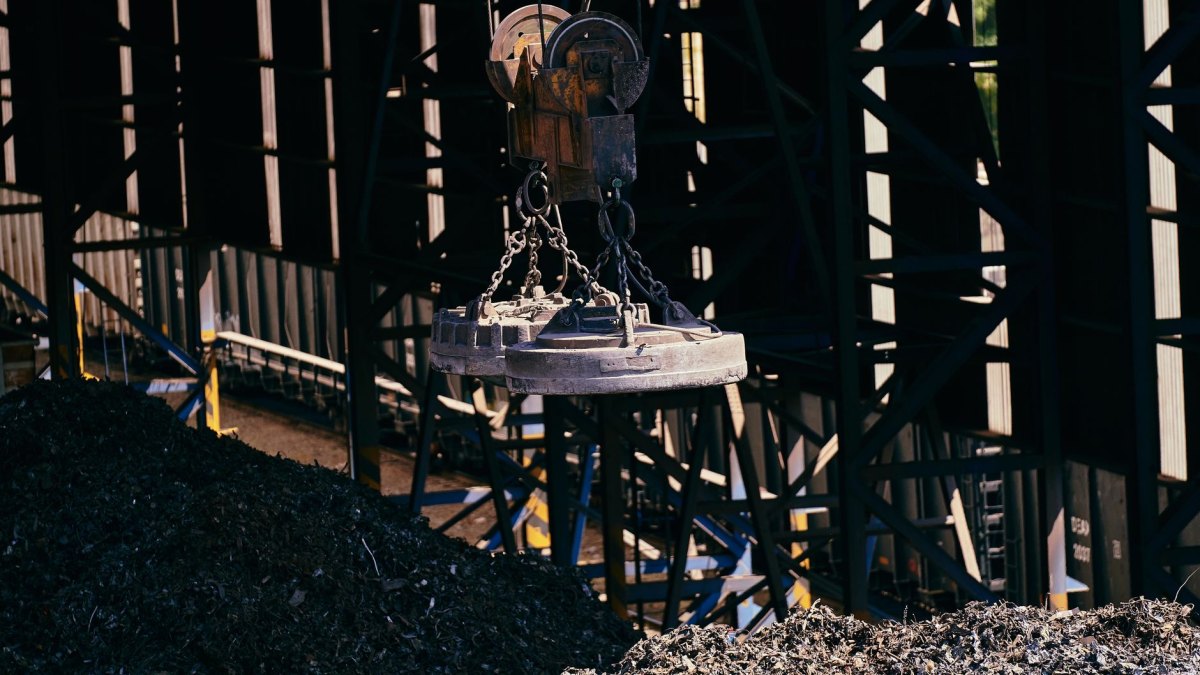
One caveat: cold-worked or bent 304 and 316 stainless can show a weak pull. If the magnet barely tugs, set the piece aside as possible stainless rather than calling it steel from one test.
Everything that sticks goes in the steel pile. The rest moves on.
Hand-weigh the light metals
Zinc die-cast feels much heavier than aluminium of the same size, and your palm will pick up the difference. Compare a bracket against a known aluminium piece and the answer is obvious in seconds.
The trap is chrome-plated or painted zinc hardware. Old taps and brackets often look like aluminium once the finish wears. The weighbridge shows it, and the lot can be repriced as mixed.
Label zinc die-cast as zinc die-cast and let the buyer price it. If you cannot identify the alloy accurately, describe it as mixed aluminium scrap and ask the buyer what testing they need. Do not claim a grade like 6063 without a reasonable basis.
Copper, brass and bronze need item history
None of the three sticks to a magnet, and their hand weight is too close to separate reliably. Colour fails too: oxidised copper looks reddish-brown, brass can look gold, and plating shifts everything.
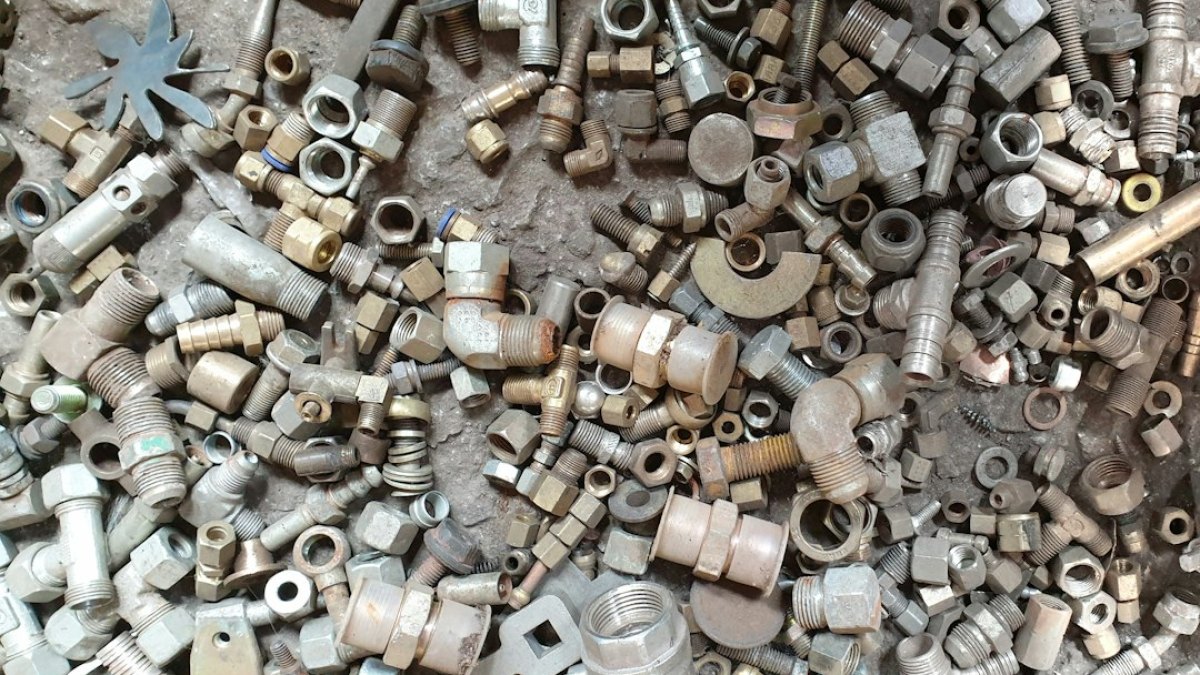
What works is what the item used to be. Pipe, cable and bright wire are usually copper. Taps, valves and small fittings are usually brass. Bearings, bushes and older pump parts are often bronze. Not a guarantee, but it is the best home test you have.
Do not guess a grade in front of the buyer. ScrapTrade's calculator lists brass as clean yellow brass with no iron attachments, and the current public price list does not define a separate bronze grade. If you have bronze, phosphor bronze, aluminium bronze or an unknown copper alloy, ask the buyer which category to use before agreeing on a price. An offer for brass does not automatically apply to bronze.
Where loads go wrong at the gate
The main failure is clean brass carrying steel screws, solder or mixed fittings. A regrade drops the price to a mixed rate, and the buyer now has to sort your lot and trust you less. That damage costs more than the regrade; the next offer will carry a tighter margin.
The second trap is zinc die-cast sold as aluminium. The weighbridge shows it, and one zinc bracket in an aluminium pile can sink the rate for the whole load.
The third is destructive dismantling. People cut into sealed compressor units or pressurised items to chase a cleaner grade and get hurt. Skip acid tests, sparks and flame too: burning insulation makes toxic fumes, and burnt wire is a known downgrade or reject.
Pull an attachment when the piece is mostly the valuable metal and the screw comes out in seconds. One steel screw out of a brass valve is quick work. If separation costs more time than the grade gain, stop and disclose it.
Disclose attachments and leave sealed items alone
Photograph the whole lot and representative parts, not one polished sample. The buyer needs to see steel screws, plastic handles, rubber seals, solder, coatings, oil and moisture. Hidden attachments found at the gate read as a grade claim, not an oversight.
Leave gas cylinders, extinguishers, sealed refrigerant systems, capacitors and swollen batteries in place. They can release pressure, heat or toxic material. Call them as they are and let a licensed handler deal with them.
Stop sorting mixed scrap metal before selling when the rate stops changing
A dealer will sort your load anyway, but at a mixed rate. The question is whether their discount costs more than your sorting time.
Run a 30-minute test. If a few minutes of sorting does not grow the clean fraction, stop and list the rest as mixed. The same logic applies to wire: stripping insulation pays only when the clean copper fraction is large enough to move the rate. Otherwise list it as insulated or mixed wire.
Weigh, label and list the lot
Weigh each pile at home and label it with the metal, condition and attached parts. Keep grades in separate piles so you can check the yard's weights against your record. Get any alloy or preparation requirement in writing before the truck is booked.
List your scrap on ScrapTrade for offers from verified buyers across Australia. The calculator's indicative values are a reference point, not live bids or guaranteed payouts.
FAQs
How do you tell brass from copper?
Brass is usually yellow or golden and copper is redder, but colour alone is not proof. Describe an unknown yellow metal cautiously and ask the buyer which category to use.
How can I tell zinc die-cast from aluminium?
Compare hand weight against a known aluminium piece. If you are still unsure, list it as mixed scrap until the buyer confirms the alloy.
Do scrap yards check mixed loads?
Yes. A buyer can discount or regrade a contaminated load, so disclose solder, paint, insulation, oil, moisture and non-metal attachments, and get the agreed price and weighing method clear before collection.
Is it worth stripping copper wire?
Only when the clean copper value after safe preparation beats the insulated cable price. Never burn insulation or use hazardous chemical strippers.
Can I leave steel screws in brass fittings?
Take them out where it is safe, or disclose them. Iron attachments can materially affect brass grading.
What is die-cast metal worth as scrap?
Mixed-scrap money unless the buyer confirms a higher grade. Ask which category applies before setting a price.