

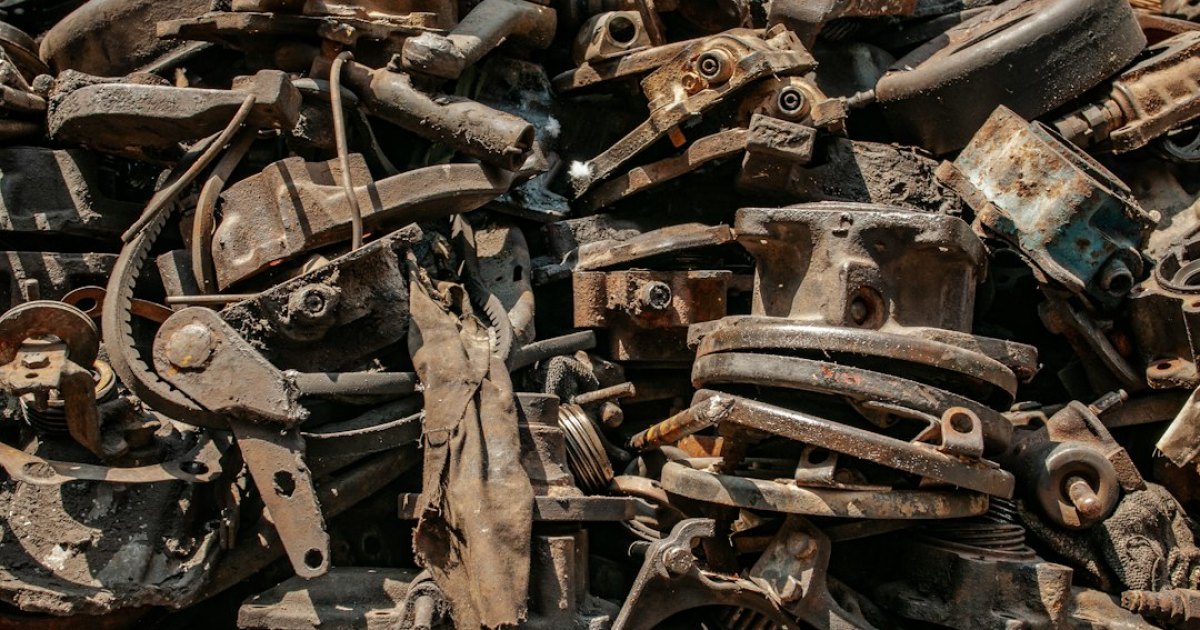
The most effective way to sell scrap metal in Australia comes down to three steps: sort by grade, write one honest description per pile, then put that same description, those photos and those weights in front of several buyers and compare what you pocket after deductions and freight not the headline per-kilo rate. A drum of mixed metal sells as its worst piece, so sorting is where the money starts.
One exception up front: if you've got under about 20 kg of mixed material, sorting time outweighs the gain. Sell it mixed and move on. The rest of this article is the detail behind those three steps.
Sort first, because a mixed drum sells as its worst piece
Separate copper from aluminium, brass, steel and plastic. Then keep grades of the same metal apart: bare bright wire in one pile, insulated cable in another, copper tubing and solids in a third. Same with aluminium extrusion is not sheet, and neither is a bin of UBC cans. On ScrapTrade's calculator alone, Aluminium Cans or UBC, Aluminium Extrusion (6063) and Aluminium Sheet are listed as separate lines, and the marketplace also shows aluminium wheels, wire and ingots. Extrusion, cast and UBC don't trade as one 'aluminium scrap' number.
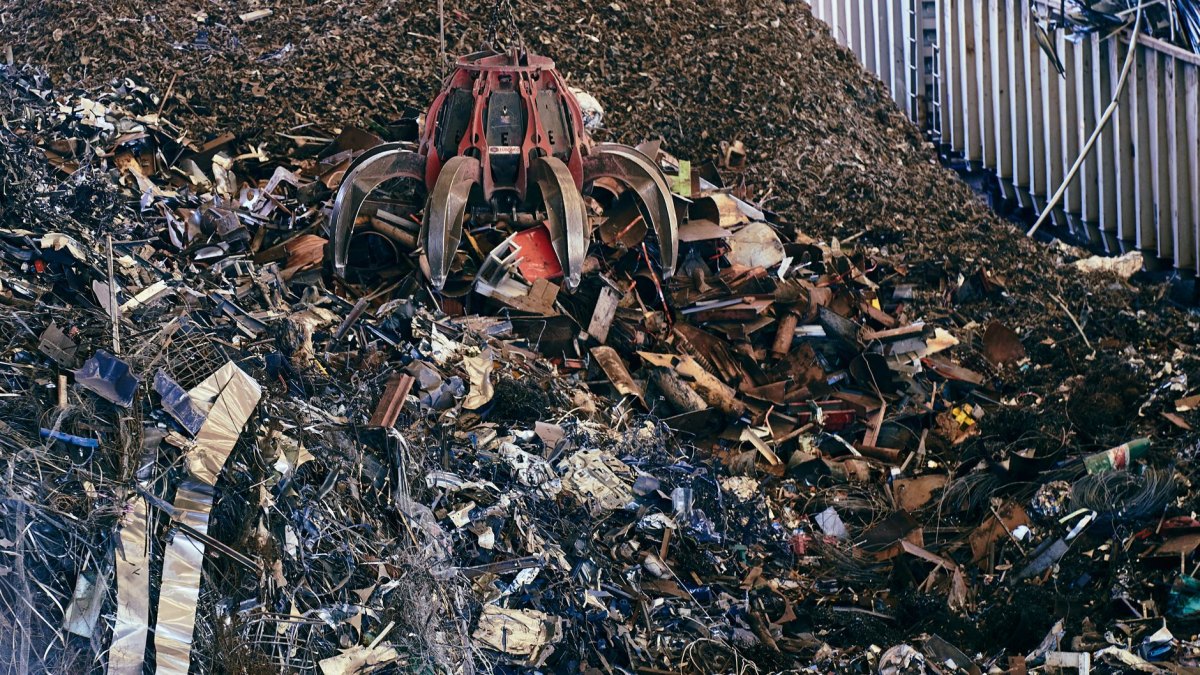
The mechanism is simple. The buyer pays the lowest-grade price for the whole drum. One length of insulated wire in your bare-bright bucket reprices the lot. Same on the other side of the deal: a buyer paying bare-bright money for insulated cable will claim, and a seller offering insulated as bare bright won't get a second lift. Solder on copper pipe downgrades it to #2 copper same weight, lower price.
Use a magnet to pull steel out fast, then sort by eye. Steel bolts in an aluminium pile are where the deduction starts.
If you can't name the alloy, don't guess. Describe it plainly as mixed aluminium scrap and ask buyers what information or testing they need. Guessing a grade like 6063 without a basis invites a downgrade on inspection.
Do buyers pay more for sorted scrap? Yes. Sorting removes their risk and their sorting labour, and they price accordingly.
Write the description buyers can act on
Photos of the whole pile, plus close-ups of the best and worst pieces. Estimated weight in kilos. Access details for collection — driveway, ute tray, forklift or none of those. A useful note format looks like this: 'Container 3: 42 kg on household scale; insulated cable with plugs attached; photographed this week; quote requested as insulated copper wire, subject to inspection.'
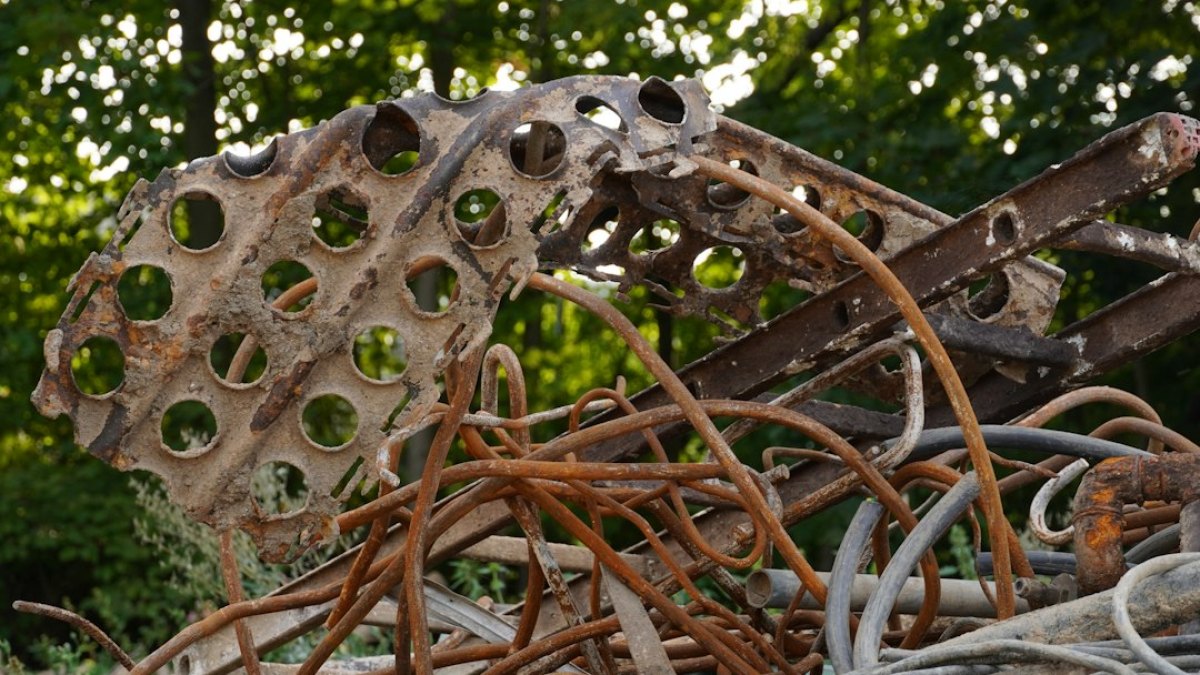
Disclose everything attached or contaminating: solder, insulation, paint, oil, moisture, steel bolts in aluminium. If your cans are loose, wet or mixed with steel, say so rather than describing the lot as clean baled UBC. UBC means used beverage containers, and buyers expect baled when the listing says baled.
Don't claim a grade like 6063 or bare bright without a reasonable basis, documentation or buyer confirmation. Overclaiming gets the whole lot downgraded on inspection, and the buyer reprices to the worst piece. One truthful description per pile is what makes later quotes comparable the same pile, described the same way, quoted by two buyers is the only fair test.
Keep receipts, work orders or photos as provenance, and only sell material you have the right to sell.
Use the calculator as a starting figure, then get live offers
Check ScrapTrade's indicative calculator for a ballpark before you list, so you know roughly what the pile is worth. Don't copy that number into a permanent listing as your asking price. It's a reference, not a bid.
List the scrap on ScrapTrade's marketplace with the description and photos, and compare live offers and buyer bids from verified buyers.
'The calculator said X, why did I get less?' Because grade on inspection, volume, region and freight all move the final number away from an indicative figure. That's what indicative means.
Compare net, not headline
This is where most sellers leave money on the table. A strong per-kilo rate can be eaten by deductions for tare, moisture, insulation, attachments or a downgrade on inspection. Two buyers can quote the same rate and pay you very different amounts.
Freight can erase the difference between two offers. One buyer may include collection while another requires you to arrange transport, so a higher headline price can lose once freight and handling are counted. A closer buyer at a slightly lower rate often wins.
Payment timing is part of the price too. Same-day payment is worth more than 7-day terms, all else equal.
Before you commit, ask how the buyer weighs: on what scale, and with what tare. Then pin down the accepted grade, deductions and terms in writing before collection. A rate alone is not an offer. The itemised comparison that matters covers accepted weight, grade, deductions, price-lock timing, transport, payment timing and return terms.
So when someone says 'one buyer offered a good rate, why shop around?' because that rate without unit, grade, deductions and freight isn't comparable yet. Two buyers quoting the same documented pile is the only fair test.
Why stripping thin wire doesn't pay, and why burning never does
Should you strip copper wire before selling it? Only on thick gauge cable, where the copper share justifies the labour. Thin insulated wire stripped by hand earns less than minimum wage per hour. Sell it as insulated copper and spend the hour doing something else.
Burning insulation is illegal in Australia and dangerous, and buyers discount heat-damaged or contaminated loads. The safety and legal risk lands on you, not them. No chemical stripping either residue counts as contamination.
When sorting isn't worth it
Under about 20 kg of mixed material, an hour of sorting earns less than the hour is worth. Sell it mixed, take the lower rate, move on.
Sorting pays once you have repeat volume or a single clean grade a drum of copper offcuts, or a ute tray of aluminium extrusion. Quick test: if the pile is mostly one metal with a bit of contamination, pull the contamination out and sell the rest as that grade.
Put your pile in front of buyers
The working sequence, in order:
- Sort by grade, one pile per grade.
- Describe honestly with photos and estimated weights, disclosing everything attached.
- Check the indicative calculator for a ballpark.
- List the scrap on the marketplace.
- Compare net offers after deductions and freight.
- Confirm grade, deductions and terms in writing before collection.
List your scrap on ScrapTrade and get offers from verified buyers across Australia.
FAQs
Should I strip copper wire before selling it?
By hand, yes; by burning, never. Stripped wire can sit in a higher-paying grade than insulated, but burnt or chemically stripped cable gets discounted or refused, so the shortcut costs you money.
What does UBC mean for aluminium cans?
Used beverage containers. It's the standard term for aluminium cans on scrap listings, and the reference description is baled UBC, so if your cans are loose, wet or mixed with steel or general waste, say so rather than calling the lot clean baled UBC.
Why did my scrap get downgraded at the yard?
Contamination or mixed grades, in most cases. Steel bolts left in aluminium, solder or paint on copper, moisture or plastic still attached: any of that pushes the load into a lower grade, which is why buyers discount mixed or contaminated material.
Do buyers pay more for sorted scrap?
Yes. Sorted material is cheaper for a buyer to process, so it prices closer to the top rate, while mixed loads get discounted to cover the sorting work. Keep copper, brass, aluminium and steel in separate piles where it's safe and practical.
Is it worth selling small amounts of scrap metal?
Yes, but let transport decide how you sell it. Freight is one of the main costs that eats into scrap prices, so for a boot-load or trailer a drop-off usually beats arranging collection, while on bigger loads collection can work out better.
How do I compare scrap metal offers fairly?
On identical terms: same grade, same weighing method, and a clear answer on who pays freight. Calculator values are indicative references rather than binding bids, so check current marketplace offers before locking a number into a listing, and get any alloy or preparation requirement in writing before you book a truck.