

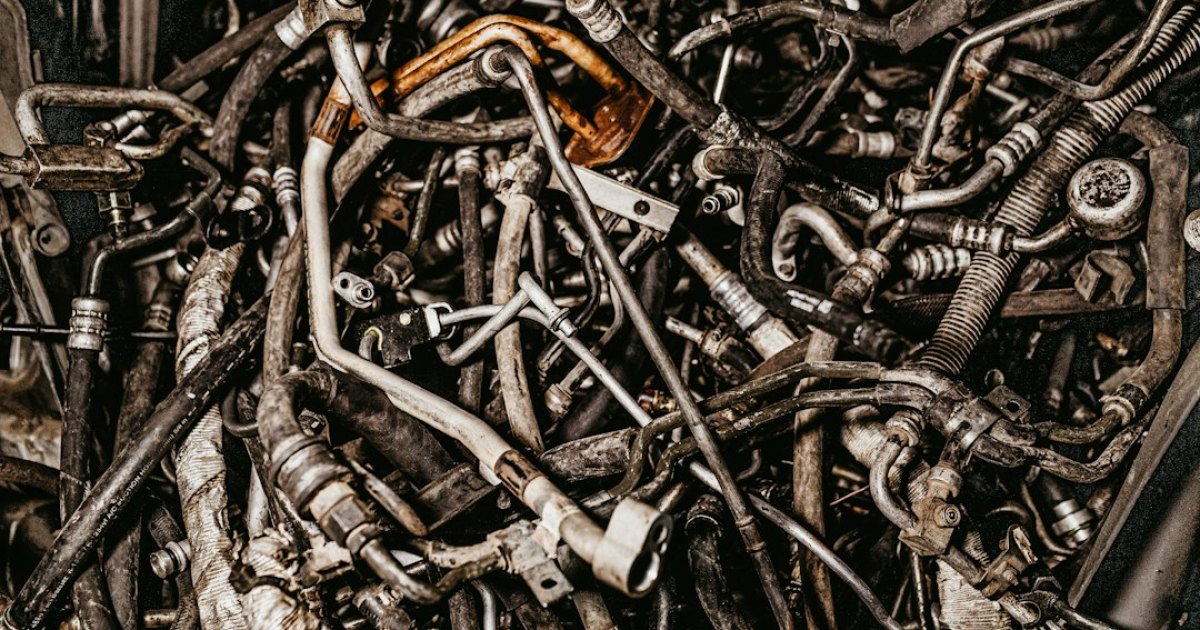
The most expensive mistake in beginner scrapping tips to identify valuable junk is calling a mixed load clean. You list it as copper, the buyer inspects and finds solder and brass fittings, and the price drops to the mixed rate. That one error costs more than the time it would have taken to sort the pile. Sort by grade before you chase prices. Anything a magnet ignores is worth a second look, because non-ferrous metal is where the money sits.
Three tests to identify valuable junk in two minutes
Run a magnet over anything unknown. If it ignores the metal, pull it out for a second look. Copper looks reddish. Brass looks yellowish and feels heavier in the hand. Aluminium is light and dull grey.
Some stainless steel is magnetic, and ordinary steel and cast iron are always magnetic. A magnet test alone does not tell you the grade. It tells you ferrous or non-ferrous, which is the first split.
For a small load of ordinary steel, skip the sorting and sell it as steel. The time you save is worth more than the grade difference. For anything the magnet misses, sort it into copper, brass or aluminium before you list.
The grades to sort into
Sort the pile into copper, brass, aluminium, stainless steel, ordinary steel, cast iron, cable, e-waste and general waste before you quote a price. Keep copper clean from brass fittings, solder and plastic. Keep brass separate from steel and aluminium. The cleaner the separation, the higher the grade the buyer assigns.
Insulated wire is cable, not bare copper. Do not burn insulation off it. Sell it as cable and disclose the insulation in the listing. Burning insulation is hazardous and the disclosure rules exist for a reason.
Buyers price the grade you declare, not the item. Sorting is what turns a mixed load into copper and brass. If the load is mostly steel, a boot-load is easier to move mixed than to sort.
What cuts the price of the same metal
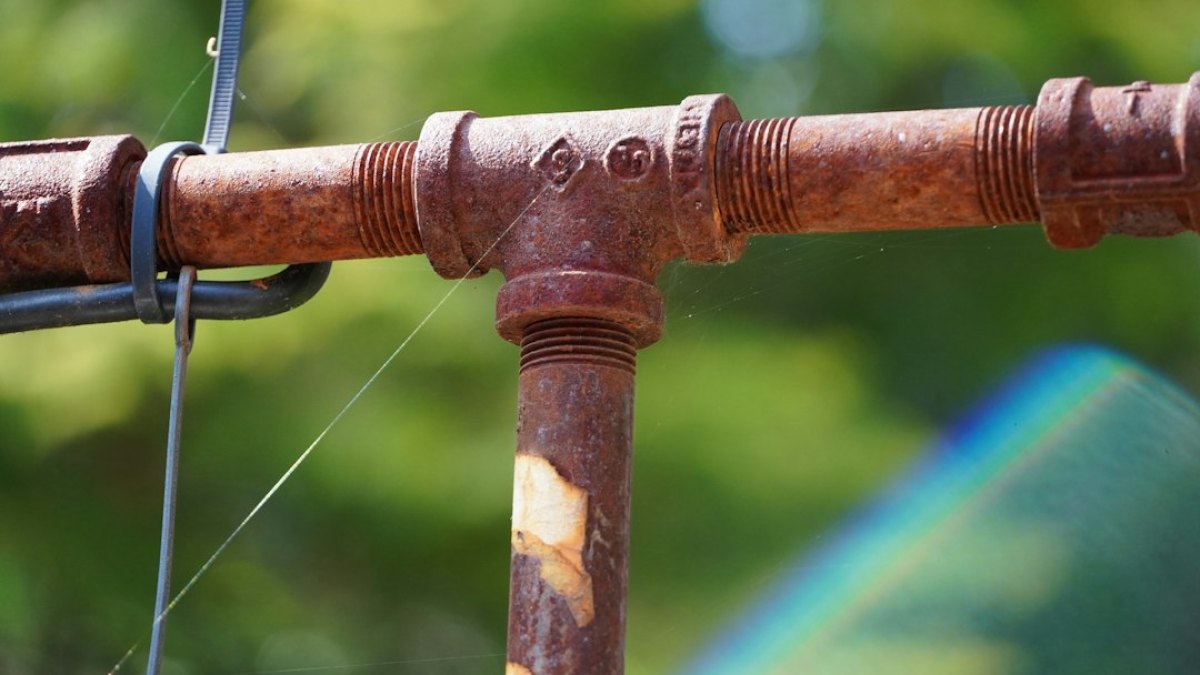
Paint, oil, moisture, plastic, rubber, wood, sealed parts and mixed alloys all lower the price of the same metal. The difference between a clean grade and a contaminated one can be a thin film of oil on the surface, or a single brass fitting welded to a copper pipe. Solder on copper pipe, brass fittings left attached, oil on steel or plastic on cable can regrade a clean load at inspection.
Declare contamination honestly. A mixed load sold as a clean grade gets downgraded or rejected, because the buyer is checking the metal, not your description. If you cannot separate a part, list it as mixed and say what is attached. A "mixed" listing with a clear description beats a "clean" listing that fails inspection.
How to list e-waste without guessing
List whole devices and dismantled parts separately. Say whether the item is a phone, laptop, motor, battery pack, power supply, solar equipment or loose board. State whether the material is intact, dismantled, sorted or mixed.
Disclose installed batteries, oils, refrigerants, screens and any sealed or damaged components before listing. Do not promise a buyer will accept every e-waste item or that data is automatically erased. Erase personal data from phones, tablets, laptops and drives before disposal. If you cannot erase it, say so in the listing and ask the buyer how to handle it.
A visible category on the marketplace is not approval for a specific material. Get written confirmation from support before listing or transporting an unusual item.
The stop list
Do not move, cut, heat or list gas cylinders, sealed or unknown containers, old battery packs, suspected asbestos such as old fibro sheeting, or radioactive or toxic material until a qualified handler or the buyer confirms it. Do not handle suspected asbestos, radioactive sources, toxic substances or unknown hazardous waste as ordinary scrap.
Fridges and air conditioners hold refrigerant. Old equipment can hold sealed oil and stored electrical energy. They are not ordinary scrap steel. If an item is sealed, labelled, leaking, smoky, or you cannot identify it, stop and ask.
The buyer or a qualified handler decides whether it can be processed, not the seller. The fact that an object is made of metal does not make it safe or lawful to sell as ordinary scrap.
Where the job goes wrong
The mixed-load downgrade is the most common loss. A load listed as clean copper, brass or aluminium drops to the mixed rate when inspection finds solder, fittings, plastic or oil, and you lose the gap between the clean grade and the mixed rate. That gap is the whole reason sorting pays.
The valuable-looking trap is the second loss. Fridges, gas bottles, old battery packs and sealed equipment look like scrap but carry hazardous material or handling rules. A gas bottle that looks like a steel drum can be cut and it can explode. A fridge that looks like a steel box holds refrigerant that needs professional recovery.
The e-waste trap is the third loss. A category showing on the marketplace is not approval for a specific material, and devices carry personal data that must be erased first. Listing a laptop without erasing the drive puts your data in the hands of whoever processes it.
These mistakes are not about chasing the highest price. They are about declaring the grade, condition and risk before the buyer sees the load.
List it with details buyers can act on
Take clear photos of the whole load and the parts that matter: grade, contamination, labels, attached fittings, damage and access. A photo of a brass fitting still welded to a copper pipe tells the buyer what to expect. Give a realistic weight estimate, the exact location, and access details such as driveway width, lift height, gate clearance or loading time.
ScrapTrade is a marketplace that does not physically handle, store, weigh or transport material. The listing does the talking. Confirm the vehicle type, access width and height, loading equipment, forklift availability, approximate dimensions and weight before collection.
List your scrap on ScrapTrade and get offers from verified buyers across Australia.
Also worth reading: Sell a Junk Car for Cash: How It Works, Sell Silver Coins and Junk Silver Worldwide and Sell a Junk Car Without a Title: What Works.
See also: How to Identify Unknown Metal and List It.
Frequently asked questions
Can I scrap an old fridge?
Yes, but it may need special handling because it can contain refrigerant and oil. Check with a qualified handler or the buyer before listing, and disclose the appliance.
What do I do with old gas bottles?
No, not as ordinary scrap. They can still hold pressure or gas, so take them to a qualified handler or the appropriate authority.
Do I need to wipe a phone before scrapping it?
Yes, remove or securely erase personal data before you scrap it. The buyer does not automatically erase data, so do it first.
What we could not verify
- What a yard pays for any grade today.
- Whether your local yard takes e-waste.
Sources
- ScrapTrade Price Index grade definitions, accessed November 2026.
General information only, not legal or tax advice. ScrapTrade operates a scrap marketplace and has a commercial interest in the scrap trade.