

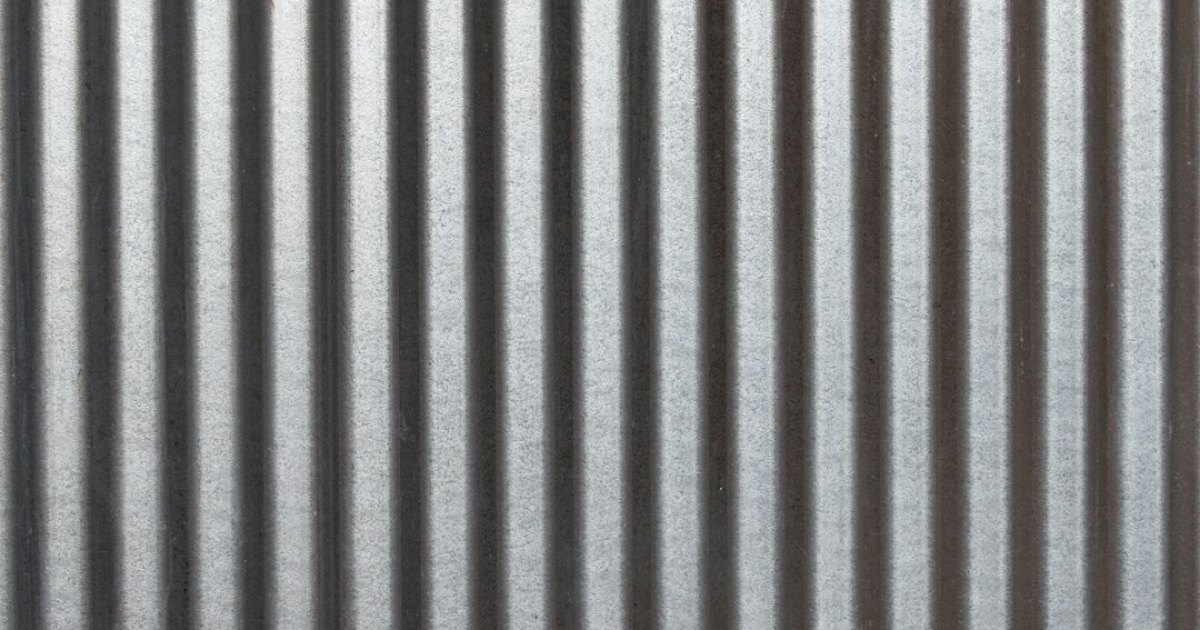
Galvanised Colorbond steel scrap price Australia: the figure you will see quoted for roofing and fence panels is about A$2.25/kg. That is a third-party indicative rate, not a binding offer, and it is not HMS money. The gap between this and heavy steel comes mostly from the sheet being thin, not from the zinc coating. If you are standing in a shed with a stack of Colorbond or galvanised roofing, the grading logic below is what actually determines your payout.
Galvanised Colorbond steel scrap price Australia: what you get paid
Roofing, gutters and fence panels grade as light iron or sheet metal because they are thin steel. The zinc or paint coating is not the reason for the lower rate. An indicative Australian buying rate for galvanised or roofing sheet is about A$2.25/kg as of 2 November 2026. Do not expect HMS money for this material. If a price site shows a different figure, ask which grade and condition it is pricing before you commit to a trip.
How yards grade it
Yards take galvanised steel, but they sort it by thickness and cleanliness. ScrapTrade's calculator lists light iron or sheet metal for thinner steel such as pressed panels and appliance skins. HMS 1 is clean heavy steel at least one-quarter inch thick, without galvanised or coated material. HMS 2 is mixed heavy steel that may include coated or painted material. Colorbond is painted, zinc-coated sheet, so it sits in light iron.
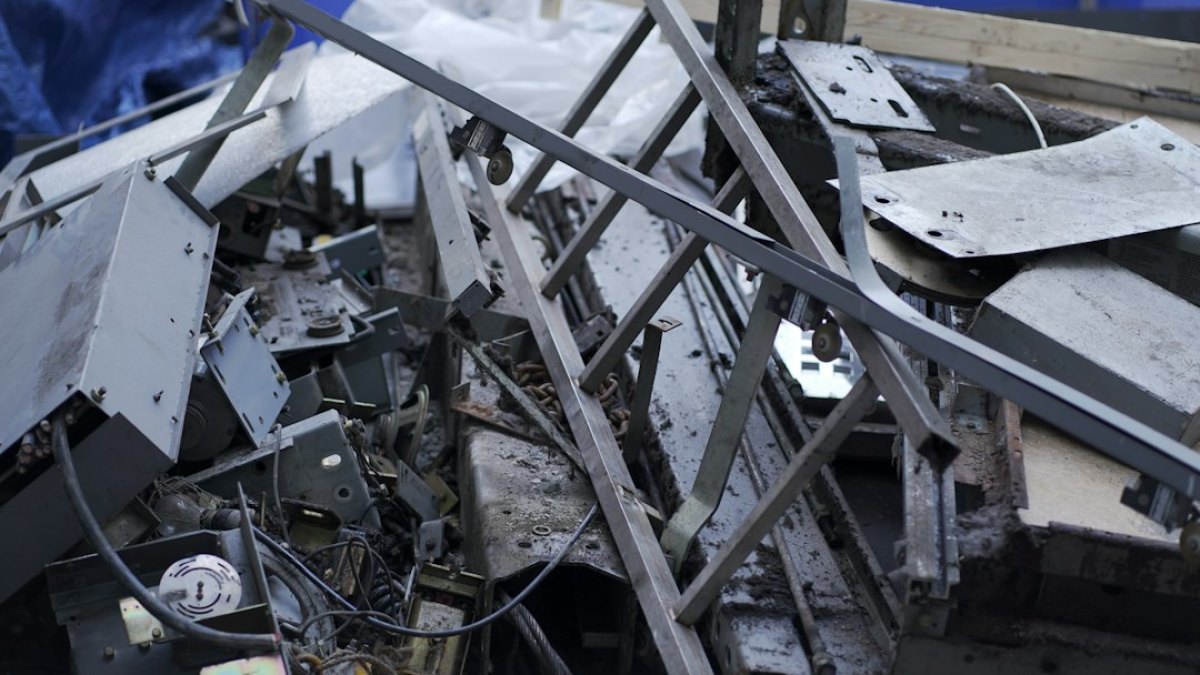
One exception: if your galvanised material is thick, such as beams or heavy pipe, ask the buyer whether it grades as HMS 2 and get that in writing before you arrange a truck.
Why zinc does not change the price
The zinc coating on galvanised steel is typically 40 to 80 microns. Too thin to recover separately, so the steel is paid as steel. In the furnace, zinc boils at around 907°C while steel melts above 1,400°C; the coating vapourises and is captured in dust. Scrap zinc sits near A$5.38/kg in Australia, which is why sellers assume the coating has value. It does not flow to you.
Painted steel is not worthless. Paint is expected on HMS 2 and irrelevant on thin sheet. Thickness and contamination are what move the price. Some buyers run a separate galvanised rate or discount coated heavy steel, so ask which grade applies to your load.
What moves the price
Contamination is the main drag: screws, plastic capping, concrete on fence posts, foam-backed insulated panels, debris inside gutters. Volume, distance and the individual yard also move the number. The A$2.25/kg figure is a starting point, not a guarantee. A yard may offer less for a small, dirty or far load. If a price-comparison site shows a higher rate, call the yard and ask which grade and condition it is pricing before you book a truck.
Where sellers go wrong
The trap is fixing the wrong problem. Sellers burn or grind off paint to clean up the steel. That releases zinc oxide fume, which causes metal fume fever, and it is pointless because thin coated sheet grades as light iron either way. Others chase the zinc value because scrap zinc sits near A$5.38/kg, but a 40 to 80 micron coating cannot be separated profitably. The money is in an honest, clean load, not in stripping the surface.
Three things downgrade whole loads. Insulated roofing panels with foam cores: the foam is contamination and some yards will reject the panel or mark it down. Fence posts still set in concrete footings: the concrete is dead weight and a contamination flag. Old galvanised water tanks are the third. A sealed vessel must never be cut open without professional clearing; if you see a tank, stop and ask the buyer what process they need.
One more thing that misleads: some price-comparison sites list roofing zinc or galvanised sheet under non-ferrous metals. That is a misclassification. Galvanised sheet is ferrous steel with a thin zinc layer. It does not get priced as a non-ferrous metal at the yard.
How to prepare and list the load
Remove loose attachments only where it is safe to do so. Do not dismantle pressurised, electrical or hazardous components. Sort galvanised sheet away from heavy steel so the yard can grade each fraction correctly. Photograph the whole lot and take close-ups of the coating, edges and any contamination. Give dimensions and an approximate weight. State the paint and coating plainly: “painted, zinc-coated sheet” is accurate. If you are unsure of the grade, flag it as unverified. Confirm the buyer's specification in writing before you book transport.
Safety limits
Never burn or grind the coating off galvanised steel. Zinc oxide fume causes metal fume fever, and the ventilation required to do it safely is not something you set up in a shed. Never cut into a sealed galvanised tank or cylinder. If the item is a sealed vessel, stop and ask a professional to make it safe.
Get an offer before you move it
Ask which grade applies to your load and confirm it in writing before you commit. Thick coated steel, such as beams or heavy pipe, may grade as HMS 2, which allows coated or painted material. Thin sheet means light iron or sheet metal. Do not arrange transport until you have a written specification from the buyer. List your scrap on ScrapTrade and get offers from verified buyers across Australia before you pay for a truck.
FAQs
Do scrap yards take galvanised steel?
Yes, but check the buyer's specification first. Galvanised or painted steel is often priced as HMS 2 or light iron, not HMS 1, because it is coated and not clean heavy steel.
Is Colorbond worth anything as scrap?
Yes, but it is sold as painted or galvanised steel, usually light iron or sheet metal. The rate depends on thickness, volume, contamination and whether the buyer accepts that form.
How much is Colorbond roofing per kilo?
There is no fixed per kilo price. It is normally priced as light iron or sheet metal, so use ScrapTrade's calculator for an indicative rate and confirm the buyer's specification before arranging a truck.
Do you get less for painted or galvanised steel?
Yes, usually. Paint and galvanising keep the material out of clean HMS 1, so it is often graded as HMS 2 or light iron.
Why did I get paid light iron price for my steel?
It was likely thin, painted, galvanised, mixed or contaminated, so it did not meet the clean heavy steel description. Light iron covers thinner steel such as panels and appliance skins, and coated loads are often priced there.
Should I burn the paint off steel before scrapping?
No. Burning paint can create hazardous fumes and is not a normal prep step. Describe the painted or galvanised surface as it is and let the buyer confirm acceptance.