

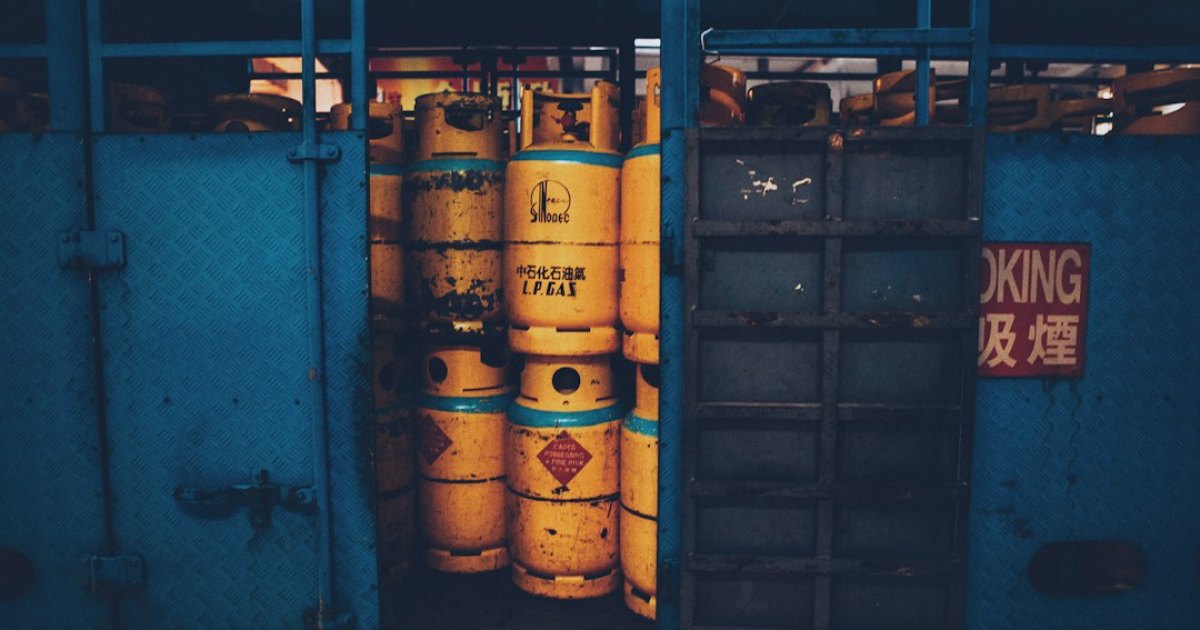
A load that hits the weighbridge with a sealed cylinder, a wet radiator or a bag of asbestos in it isn't a scrap metal problem. It's a refusal and a return freight bill. That's the short answer to what scrap metal do scrap yards not accept: anything pressurised or contaminated, and anything that breaks a handling rule. My rule is simple. If it's sealed or contaminated, assume it's rejected until a buyer confirms otherwise in writing.
What scrap metal do scrap yards not accept
Drums, gas bottles, propane tanks, compressed gas cylinders, closed tanks. Refrigerant gear that hasn't been degassed. Asbestos, radioactive material, explosives, mercury switches, PCB ballasts and capacitors. Tyres, wood, concrete, dirt, carpet, garbage. Every yard I've dealt with refuses these before the load even hits the scale.
The reason isn't one thing. It's pressure, fire risk, legal handling obligations and contamination that can taint a whole lot or a whole yard. If an item is sealed, liquid-filled or contaminated, treat it as rejected. A buyer's written confirmation is what changes that.
Why the rejection happens
Pressure comes first. A cylinder that looks empty still holds vapour under pressure. Cut into it and it becomes a projectile. An extinguisher or a refrigerant unit that hasn't been properly degassed can burst in a crusher or catch fire under a torch.
The second reason is legal. Asbestos, radioactive material, explosives, mercury, PCBs and refrigerant all fall under licensed treatment rules. A general scrap yard doesn't hold the licences to process them, so it can't accept them. That's not a policy choice; it's a compliance requirement.
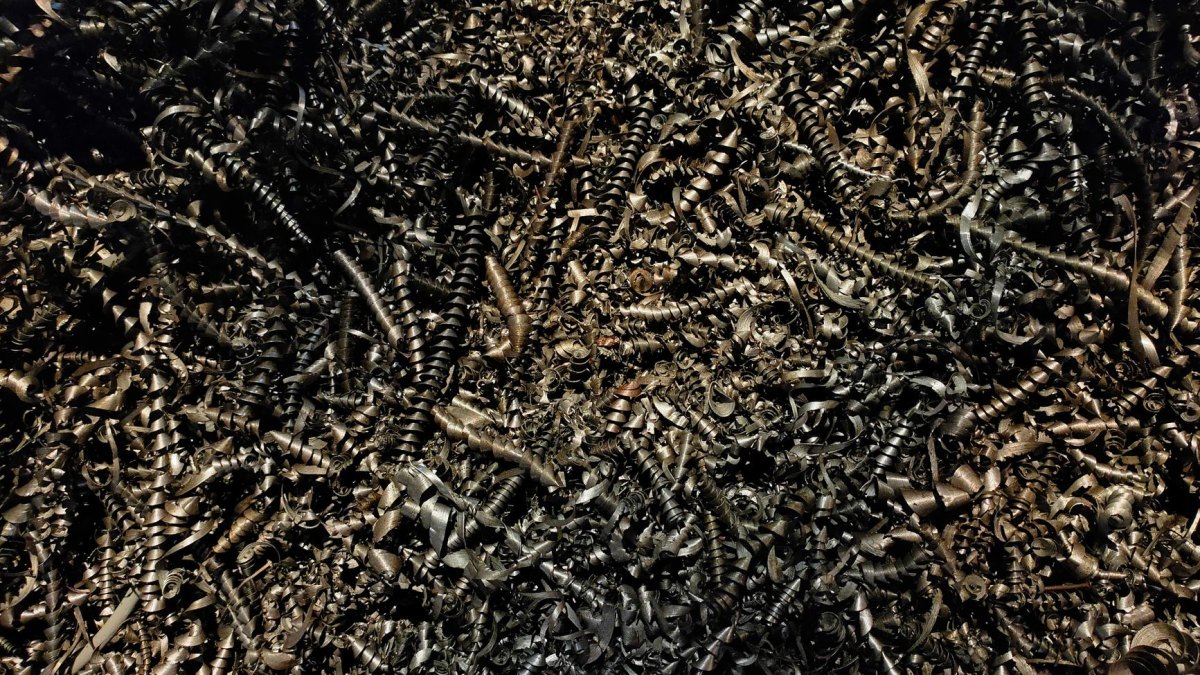
Third is contamination. Oil, water, dirt, concrete, wood and garbage get subtracted from the paid weight. Enough of it and the whole lot becomes unsellable to the downstream processor, which means the yard either refuses it or docks you hard.
What it costs when the load is refused or docked
The yard can refuse the load and send it back at your cost. They can subtract the weight of water, dirt, oil and trash before they pay you. Some items attract per-unit disposal fees, so one aerosol can or one contaminated part can cost more than the metal underneath is worth.
The real cost isn't just the metal. It's the freight you've already paid, the disposal fee you now owe, and the rejected load sitting on your site until you sort it out. A single sealed cylinder in a truckload of clean steel can wipe out the margin on the whole trip.
The grey-zone items people get wrong
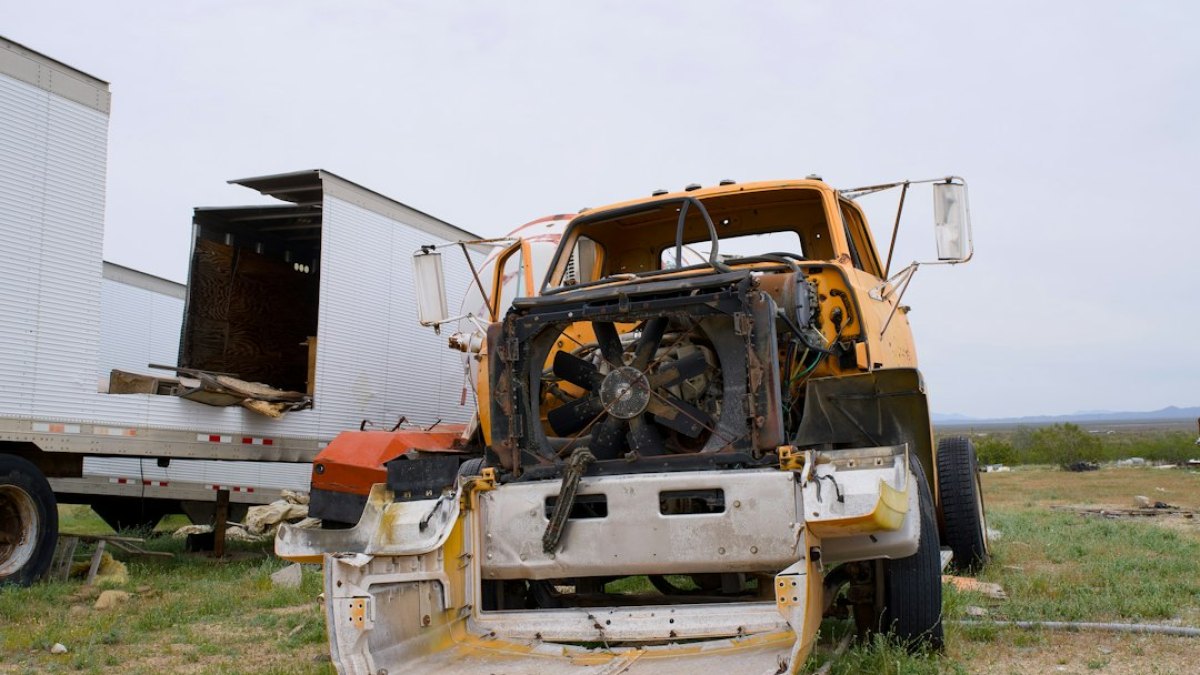
Fridges and air conditioning units are not scrap until a licensed technician has recovered the refrigerant and given you proof. The metal is the same steel as any other sheet, but the refrigerant inside is a controlled substance. Without the recovery certificate, most yards won't touch it.
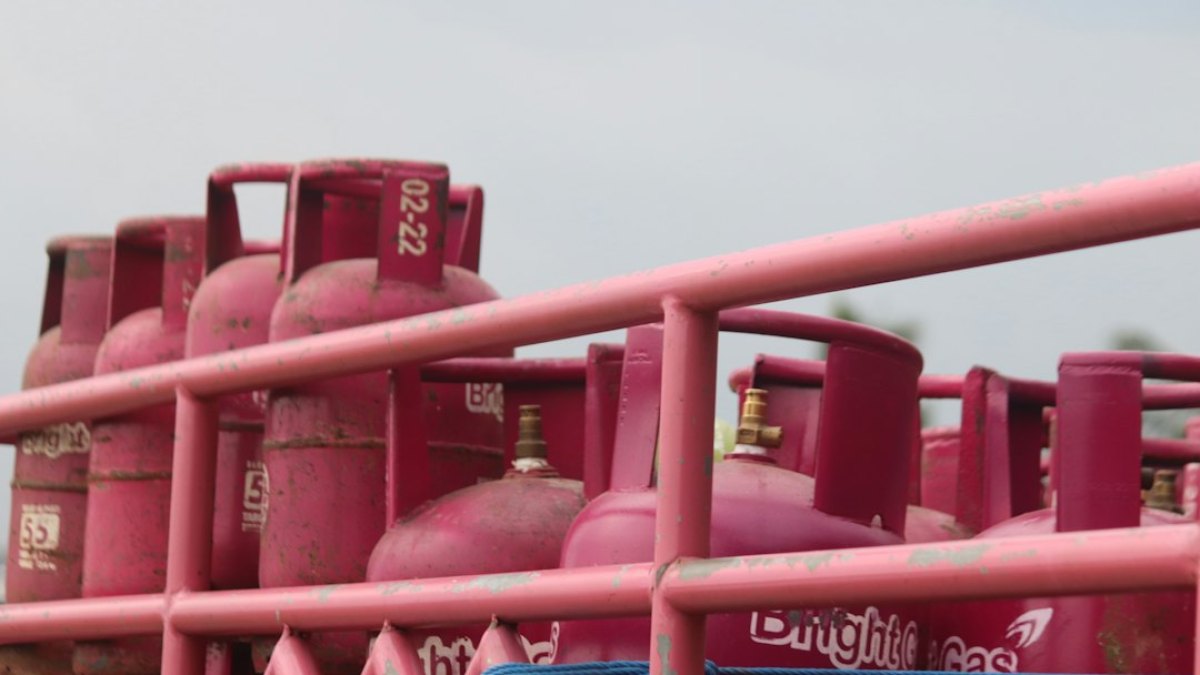
LPG bottles and fire extinguishers are treated as sealed even when the gauge reads zero. Vapour and residue remain inside, and that's enough for a buyer to classify them as pressurised. You don't get to decide they're empty enough.
Aerosol cans, engines with oil in them, radiators with coolant or water. Free liquid is the problem. It gets the load refused or the weight docked, and in some cases the item is refused outright.
Lead-acid batteries are not the same as clean soft lead. ScrapTrade's reference calculator lists clean soft lead and explicitly excludes battery casings. A complete battery is a different listing category with different handling requirements, and many buyers won't take it through a general scrap channel.
TVs, e-waste, catalytic converters and steel cable or wire fall into the same grey zone. One yard refuses catalytic converters; another recycles them. Steel cable is only accepted if cut to a specific length, and razor wire is refused. The buyer's specification decides, and it changes from one buyer to the next.
Where it usually goes wrong
The 'empty' cylinder trap is the one I see most. A gas bottle that reads empty still holds vapour under pressure. The gauge shows zero, but the gas hasn't fully condensed. Buyers treat it as sealed, and that's correct. You can't just open the valve and walk away.
The degassed fridge trap is similar. A fridge only becomes scrap once a licensed technician has recovered the refrigerant and issued proof. "I had it opened and it looks empty" isn't a document. In Australia, venting refrigerant yourself is not an option. Only licensed technicians may recover it, and cutting into a cylinder to make it safe is not a fix. It's a violation.
The weight trap is quieter. Water in a radiator, oil in an engine. None of it looks like a problem when you're loading the truck. But the yard subtracts it from the paid weight. Say you bring in a 200 kg radiator that's 60% coolant. You earn the price of 80 kg of clean steel. The load looks heavy on the scale but pays light.
The marketplace trap catches people new to ScrapTrade. A category visible on the platform, such as batteries or e-waste, is not approval for your specific item. The buyer determines whether your lot meets their specification. A category being listed means the platform supports it as a listing type; it doesn't mean every battery is accepted by every buyer.
The objections I hear and why they fail: "It's empty, so it's fine" (vapour and residue remain, buyers treat it as sealed). "It's only a drop of oil" (free liquids get the load refused or the weight subtracted; there's no acceptable threshold). "My local yard takes fridges" (some do, with certified recovery; acceptance is per-buyer, so confirm before you load). "ScrapTrade shows a batteries category, so mine is fine" (a visible category is not approval for your specific item). "I'll just vent the gas or refrigerant myself" (that is illegal in Australia; only licensed technicians can recover refrigerant).
What to do with the rejects instead
Drain fluids where it's safe and legal, then confirm the item is dry before you transport it. Cut cable to the buyer's specified length instead of bringing long coils that get refused on arrival.
For fridges, air conditioners and other refrigerant gear, use a licensed technician for recovery and get the certificate in writing.
For true hazmat, e-waste, batteries or items the buyer won't accept, use council drop-off or a licensed waste service. Don't mix them with your metal load. That's how a clean lot gets tainted.
How ScrapTrade changes the rule
On ScrapTrade the buyer, not the yard, sets the spec for your item. Instead of one yard's reject list deciding what you can do with your metal, you're matching your material to a buyer who has stated what they'll take and under what conditions.
Your job as the seller is to disclose contamination, fluids, seals, pressure or damage in the listing. State the known alloy or source, the approximate quantity, the condition and any mixed pieces. If the alloy is uncertain, say so explicitly rather than claiming a specific grade.
Then get written confirmation from a verified buyer that the item is accepted with stated conditions: drained, degassed, cut to length, or whatever applies. That confirmation is what separates a load that gets refused at the gate from one that gets weighed and paid.
If the item is sealed, liquid-filled or contaminated, your next step is written confirmation, not loading the truck. List your scrap on ScrapTrade and get offers from verified buyers across Australia.
FAQs
Will scrap yards take fridges?
Not as ordinary clean scrap. Fidges can hold refrigerant, oil and sealed parts, so a buyer needs to know the condition and any special handling. If it may contain refrigerant, get professional advice before listing or moving it.
Do scrap yards take gas bottles?
Not as loose scrap. Gas bottles are pressurised and may contain flammable gas, so they need to be handled by a buyer or service that can accept them. Disclose the type and whether it has been emptied.
Do I have to drain oil before scrapping an engine?
Yes, if you want it treated as clean metal. Oil makes the load contaminated, so a buyer may reject it or price it lower. If you cannot drain it, say so and let the buyer decide.
Will scrap yards take lead acid batteries?
Not always. A complete lead acid battery is not the same as clean soft lead, and battery casings are excluded from that category. Check whether the buyer can receive it and what handling it needs before collection.
Can I scrap something with asbestos in it?
No, not as ordinary scrap. Asbestos is a hazardous material, so it needs professional identification, packaging, transport and disposal. Do not list it as clean metal.