

Yes, scrap yards buy batteries intact lead-acid car and truck batteries, at nearly every yard and metal recycler in Australia. The value sits in the lead plates and terminals, which make up more than half the battery's mass, so buyers treat the whole battery as lead-bearing scrap and price it by weight. No need to ring ahead if it's an undamaged battery out of a common vehicle type. Ring ahead if it's cracked, an odd chemistry, or a bootful of them.
Yes, scrap yards buy car batteries and here's what they pay
Buyers quote one of two ways: a per-kilogram rate or a flat price per battery. Both exist, and they don't favour the same batteries. At most yards a standard flooded lead-acid battery and an AGM unit are bought as the same grade the lead content is what matters, not the label on the case.
How the price is worked out
Per-kilo rates track the lead market, which moves week to week. A quote today may be different next month. And the US prices that crowd the search results don't translate. American guides quote around US$0.10–0.30 per pound, with recent averages near US$0.15–0.24/lb. Australian buyers quote in AU figures against their own lead pricing, so treat those numbers as a picture of how the market behaves, not what you'll be paid at the counter in Wodonga.
The maths differs by method. A flat per-unit rate averages across battery types, so it favours small units. By-weight favours big ones. Say you've got a compact car battery at 25–35 lb and a truck battery at 60–75 lb. At a flat $10 a unit (a labelled example, not a quoted rate), the small battery does fine and the truck battery loses badly — it might hold more than twice the lead. Ask which method the buyer uses before you load the ute.
Weight bands worth knowing for the per-battery comparison: compact cars 25–35 lb, mid and full-size 35–45 lb, trucks, SUVs and AGM units 45–60 lb, commercial and marine deep-cycle 60–75 lb. But the buyer's scale sets the number, not your estimate.
What gets refused at the yard
This is where the generic yes/no answers fall over. Refusals aren't just about lithium.
- Cracked or leaking cases get refused outright, or discounted hard. Buyers can also tell if the acid has been drained — the acid is part of the package, and draining it to cut weight is dangerous and spotted quickly.
- Non-lead-acid chemistries are a different category: lithium packs from hybrids and EVs, gel batteries, sealed alarm-panel batteries.
- Some yards reject certain casing plastics or unusual terminal types even on otherwise normal batteries. Trade forums carry real cases: a yard knocking back two Group 31 batteries with a cracked corner and a punched side despite 83 lb of near-pure lead, and a UK chain refusing ABS-cased batteries and alarm-panel batteries after rules tightened around hazardous substances in casings.
Gel and alarm batteries can be refused even by a yard that took standard car batteries the same morning. And the rules vary buyer to buyer and change over time, which is exactly why one-line answers to "do scrap yards buy batteries?" mislead people. Screw-terminal batteries have reportedly paid roughly half the standard rate at some yards, for what it's worth — the clamps are built for post terminals.
The chemistry trap with lithium packs
A Corolla's starter battery, a hybrid's high-voltage pack and a cordless-tool battery look like the same problem to the seller: heavy metal boxes, someone should pay for them. They're not the same scrap. Lead-acid is bought by weight at general yards. Lithium-ion from hybrids and EVs isn't bought by weight at most yards and needs a specialised battery recycler.
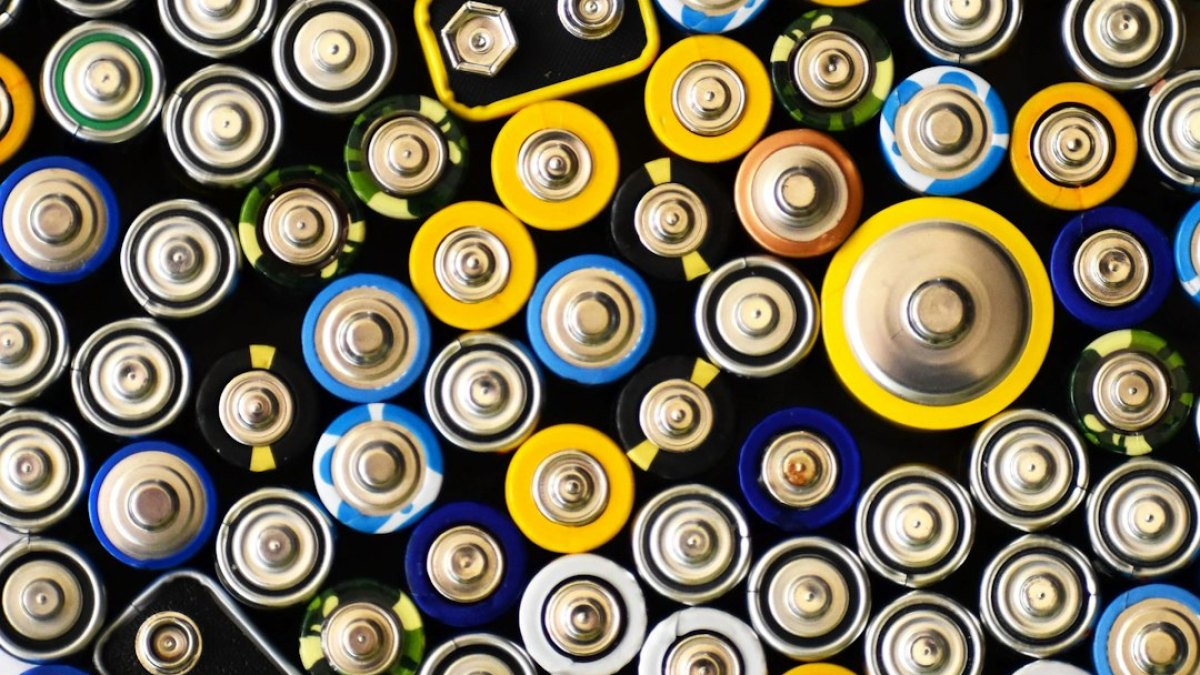
Never mix a lithium pack into a lead-acid load. At best it's refused on the spot. At worst it shorts in transit or in the yard's pile and starts a fire. Don't tape it up, don't wrap it, don't bury it in the middle of the batteries. Keep it out of the load and deal with it separately.
Why you shouldn't crack the case for the lead
The temptation is real. Clean soft lead pays a solid rate, so why not break the battery open and sell just the metal? Because the case holds sulphuric acid that burns skin and clothing, venting can release hydrogen gas, and handling spent acid is a licensed recycler's job. It's also against the grain of how the trade works: on ScrapTrade, clean soft lead is a separate listing that explicitly excludes battery casing. A complete battery and a pile of loose lead are different listings with different handling.
Work it through and the whole battery usually nets more with less risk than the lead alone, once you count the ruined clothes, the burns and the buyer who won't touch mystery metal.
Getting the battery there in sellable condition
- Transport upright and secured in a leak-proof container. A tipped battery leaking acid in the tray is a refusal at the gate and a hazard in the ute.
- Leave the terminals attached they're part of the weight. Protect terminals where appropriate so nothing shorts in transit.
- Keep damaged or swollen batteries isolated from combustible material and separate from good units.
- Storing a few while you accumulate them: dry area, protected from puncture, chemistries kept apart.
- Quantity matters. A dozen units can rate better per kilo than a single battery, so saving up a few before the trip is worth the shed space.
What if nobody near you takes it
A council recycling centre or a licensed battery recycler will take what a general yard refuses. What they won't take it as is ordinary mixed scrap or the household bin — especially for lithium or a leaking case.
And if a yard refused your battery once, read it properly. It's a data point about casing, condition or chemistry at that yard, not proof the answer is no everywhere.
Ring first, then list it
Before the drive, confirm five things: chemistry and type, the condition of the case, terminal type, how many you have, and whether the buyer wants photos. It takes two minutes and saves a wasted trip with a battery the gate will bounce.
One thing to be clear on: ScrapTrade is an online marketplace, not a depot. It doesn't physically handle, store, weigh or transport material, so there's no yard address to drive to. The buyer you match with sets the acceptance, packaging and transport rules, and you confirm those with them before collection — along with who supplies labour and equipment, what freight costs, and what happens if the actual weight differs from your estimate.
That's also why one refusal isn't the end of it. Verified buyers across Australia set their own rules, so a battery knocked back at one yard may still sell to another. List your scrap on ScrapTrade and get offers from verified buyers across Australia.
FAQs
Do scrap yards take lithium batteries?
Some do, plenty don't. Lithium needs different handling to lead-acid, and a damaged or swollen lithium battery is a fire risk most yards won't touch. Tell the buyer the chemistry and condition before you load up, and never drop lithium into a mixed scrap pile.
Will they take a battery with a cracked case?
Usually no. A cracked or leaking case means acid spills, so most yards refuse it on the spot or treat it as hazardous and charge to handle it. Take those to a battery retailer with a trade-in service or your council's hazardous waste point, and keep it away from your clean scrap in the meantime.
Can I sell just the lead out of a battery?
No, and don't try to get the lead out yourself. The plates sit in acid inside the case, so cracking one open risks burns and fumes. Clean soft lead like sheet offcuts or wheel weights is its own listing category, but a whole battery has to go to a buyer set up to break it down properly.
Do I need ID to sell scrap batteries?
Yes, bring photo ID. Most Australian states require scrap dealers to record the seller's details before paying, and car batteries are commonly covered by those rules. A driver's licence does the job.
Where can I get rid of old car batteries near me?
Three usual options: the retailer fitting your new battery, your council waste facility, or a scrap buyer. If you're going through ScrapTrade, note it's an online marketplace rather than a depot you can walk into, so you list the battery and verified buyers quote on it and arrange collection.
Is it worth taking one battery in or should I save up a few?
Take the one in if the yard is on your way; most pay per battery or by weight and won't knock you back for a single unit. Only wait until you've got a few if you're driving a distance or paying for pickup, because one battery's payout won't cover much fuel.