

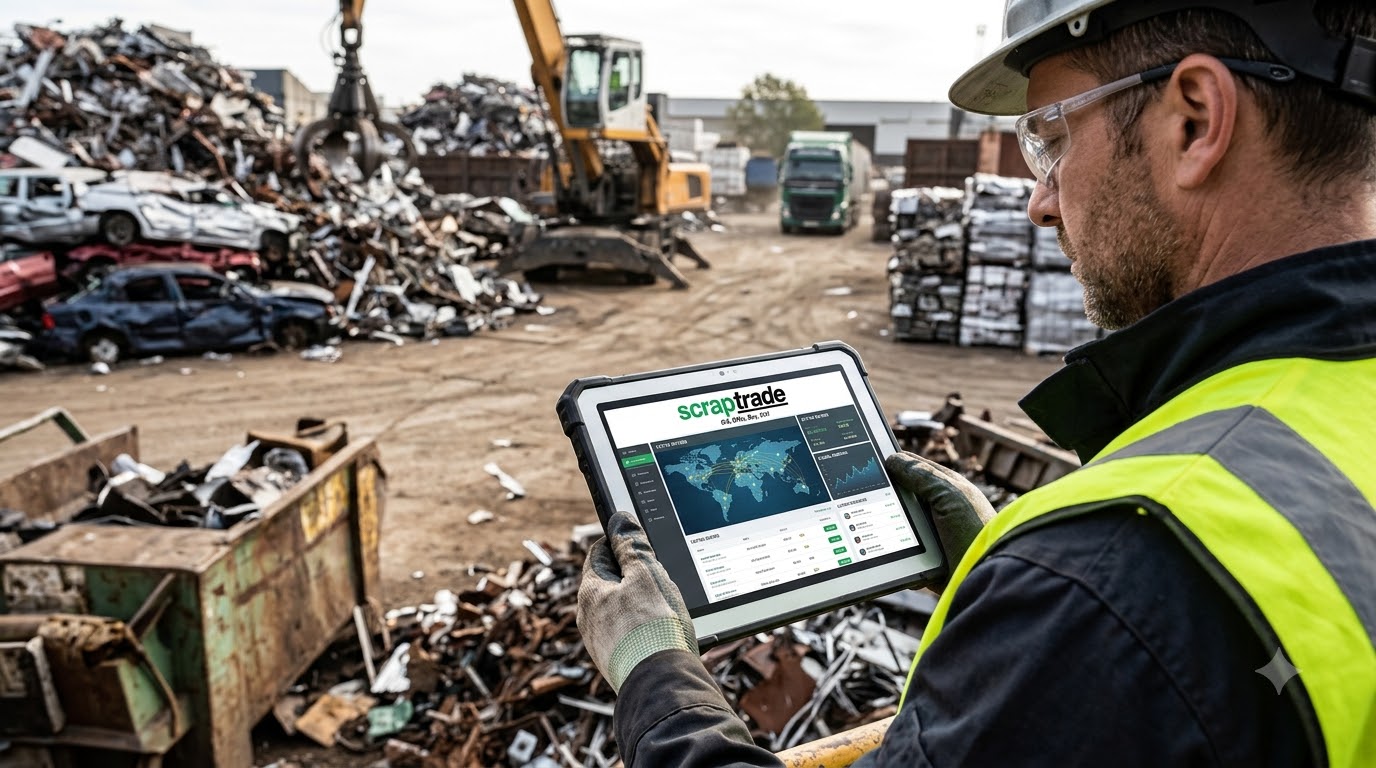
Finding reliable buyers is essential for scrap yards that want to increase sales, move stock efficiently, and grow their business. Even when a yard has a steady supply of copper, aluminium, steel, brass, electronic waste, or other recyclable materials, limited buyer connections can restrict its trading opportunities.
Successful scrap yards do more than wait for customers to contact them. They build relationships with recyclers, manufacturers, metal processors, exporters, and other scrap dealers. They also prepare accurate material listings, understand buyer specifications, and use digital platforms to reach potential customers beyond their local network.
This guide explains practical ways scrap yards can find more buyers, improve their visibility, and create new trading opportunities in local and international markets.
1. Identify the Right Buyers for Each Scrap Category
Not every buyer purchases every type of scrap. Some specialise in ferrous metals, while others focus on copper, aluminium, brass, stainless steel, electronic waste, plastics, or industrial materials.
Scrap yards should identify buyers according to the materials they handle, the quantities available, and the specifications they can consistently meet.
For example, a yard selling bulk steel scrap may approach metal processors and industrial recyclers. A business handling clean copper scrap may target buyers specialising in non-ferrous metals.
Start by preparing a list of the materials available at your yard. Record the grade, approximate quantity, condition, location, and frequency of availability. This information makes it easier to identify suitable buyers and respond to enquiries.
Understanding buyer requirements also helps prevent wasted time on offers that do not match the material available.
2. Build Relationships With Recyclers and Industrial Buyers
Direct relationships remain an important source of repeat business. Recycling facilities, foundries, manufacturers, metal processors, and other scrap dealers may need regular supplies of particular materials.
Rather than contacting businesses with a general message, explain which materials you supply, the quantities you can offer, and how frequently stock becomes available.
When approaching a potential buyer, provide useful information about material specifications, photographs, estimated weights, collection arrangements, and delivery options. Ask about the buyer's acceptance criteria, minimum quantities, inspection procedures, and payment terms.
Maintain a record of buyer contacts and previous discussions. Follow up when suitable material becomes available rather than sending repeated messages that do not match the buyer's requirements.
Over time, consistent communication and accurate descriptions can help your scrap yard become a more dependable trading partner.
3. Prepare Professional Scrap Listings
Buyers need enough information to determine whether a scrap load is worth investigating. Listings with vague descriptions or poor photographs can make it difficult to assess the material and may reduce the number of relevant enquiries.
A professional listing should include the material category, grade where known, estimated quantity, location, condition, and clear photographs. If the load contains attachments, mixed grades, or potential contamination, describe these accurately.
For bulk materials, buyers may also need details about packaging, loading access, inspection availability, and collection or delivery arrangements.
Avoid making unsupported claims about purity, composition, or weight. If a grade has not been independently verified, make that clear and provide the available evidence.
Accurate listings help potential buyers assess the opportunity before investing time in further discussions.
4. Use an Online Scrap Marketplace to Reach More Buyers
Traditional networking can be effective, but it may limit a yard to businesses already in its contact list. Online marketplaces offer another way to discover potential buyers and present available material to a wider trading network.
ScrapTrade is a global online scrap marketplace for buyers and sellers. Scrap yards can use the platform to explore trading opportunities, list available scrap, and connect with potential counterparties beyond their established network.
To make online listings more useful, keep material descriptions current, upload clear photographs, specify realistic quantities, and respond promptly to enquiries. Buyers should be able to understand what is available and what information they need to request next.
An online marketplace does not guarantee a buyer, a sale, or a particular price. Scrap yards should still verify counterparties, confirm material specifications, compare commercial offers, and agree on payment and logistics before proceeding.
For businesses seeking broader exposure, digital marketplaces can complement direct sales rather than replace established buyer relationships.
5. Compare Offers Instead of Accepting the First One
The first offer received may be convenient, but it is not necessarily the best commercial option.
Different buyers may assess a load differently because of their processing capabilities, required grades, operating locations, transport arrangements, and current purchasing needs.
Where practical, contact multiple suitable buyers and compare their offers. Look beyond the quoted price to consider transport costs, loading responsibilities, payment timing, inspection requirements, accepted weight, and possible quality deductions.
For example, a buyer offering a higher price may require the scrap yard to arrange and pay for delivery. A lower offer that includes a more convenient collection arrangement may be worth considering after the total costs are calculated.
Before accepting an offer, confirm the price basis and the process for resolving differences between the listed and delivered material.
6. Expand Into New Buyer Markets
A scrap yard does not always need to rely exclusively on buyers in its immediate area. Depending on material type, quantity, transport economics, and applicable trade requirements, buyers in other regions or countries may also be potential customers.
International trading can be relevant for businesses handling suitable bulk quantities or specialised grades. However, export opportunities require additional planning.
Before pursuing an overseas buyer, evaluate freight costs, packaging, documentation, customs classification, import and export restrictions, payment risk, and the destination market's requirements. Confirm the relevant rules for the specific material and countries involved.
A larger potential market does not automatically mean a better return. International offers should be compared against local alternatives using the full cost of completing the transaction.
Scrap yards can explore international scrap trading to understand how businesses connect across markets and what needs to be considered before trading internationally.
7. Maintain Consistent Stock and Buyer Information
Finding a buyer is only part of the sales process. Scrap yards also need to know what stock is available, what has already been committed, and when additional material may be ready for sale.
Maintain an updated record of material categories, estimated quantities, grades, storage locations, listing status, and buyer enquiries. Record any agreed sale so the same stock is not offered to multiple buyers as though it remains available.
For repeat buyers, track the materials they purchase, their specifications, typical order sizes, and previous transaction outcomes. This can help staff identify which buyers to contact when new stock arrives.
Clear records also make it easier to respond to enquiries quickly and avoid promising material that is unavailable or does not meet the stated requirements.
8. Build Trust Through Verification and Clear Transaction Terms
Buyers are more likely to proceed when they can assess a seller's credibility and understand how a transaction will work. Scrap yards can support confidence by providing accurate business details, consistent material descriptions, and clear commercial terms.
Before finalising a deal, establish who is authorised to represent each business and confirm the buyer's or seller's identity as appropriate to the transaction. For larger or higher-risk deals, additional business verification and supporting documentation may be necessary.
Agree on the material grade, quantity, inspection arrangements, weighing method, delivery responsibilities, payment terms, and procedure for handling discrepancies.
Keep relevant photographs, weight records, invoices, inspection documents, and correspondence. These records can help resolve misunderstandings and support repeat business.
9. Improve Buyer Retention After the Sale
Finding new buyers takes time, so scrap yards should also focus on maintaining good relationships with existing customers.
After a transaction, confirm that the agreed delivery and payment arrangements have been completed. Ask whether the material met the buyer's specifications and record any feedback that may improve future listings or preparation.
When suitable stock becomes available again, contact relevant buyers with concise, accurate information. Avoid sending offers for materials they do not purchase.
Reliable communication, realistic descriptions, and consistent transaction procedures can help turn a one-time enquiry into a recurring commercial relationship.
FAQs
How can a scrap yard find more buyers?
Scrap yards can expand their buyer network through direct outreach to recyclers and manufacturers, referrals, professional listings, industry relationships, and online scrap marketplaces. Accurate material information and consistent follow-up help attract relevant enquiries.
Who buys scrap metal in bulk?
Potential bulk buyers include metal recyclers, processors, foundries, manufacturers, exporters, and larger scrap trading businesses. The right buyer depends on the material grade, quantity, location, and acceptance specifications.
Can scrap yards sell to international buyers?
Yes, where the material, commercial arrangements, logistics, and applicable trade requirements allow it. Yards should calculate shipping costs, confirm documentation and customs requirements, and assess the counterparty before agreeing to an international transaction.
What should a scrap yard include in an online listing?
Include the material type, grade where known, quantity, location, condition, clear photographs, and relevant loading or delivery information. Accurate descriptions help buyers determine whether the listing meets their requirements.
Does listing scrap online guarantee a sale?
No. A listing creates an opportunity for potential buyers to discover the material, but a completed transaction depends on buyer interest, material suitability, price, verification, logistics, and agreed terms.
Conclusion
Scrap yards can find more buyers by identifying the right customer groups, building direct relationships, preparing accurate listings, comparing offers, and exploring digital marketplaces. Expanding into other regions can create additional opportunities when the material and transaction economics support it.
At the same time, reliable stock records, clear transaction terms, and consistent service help convert enquiries into repeat business.
For scrap yards looking to broaden their reach, ScrapTrade provides a global online marketplace where buyers and sellers can explore listings and connect with potential trading partners.