

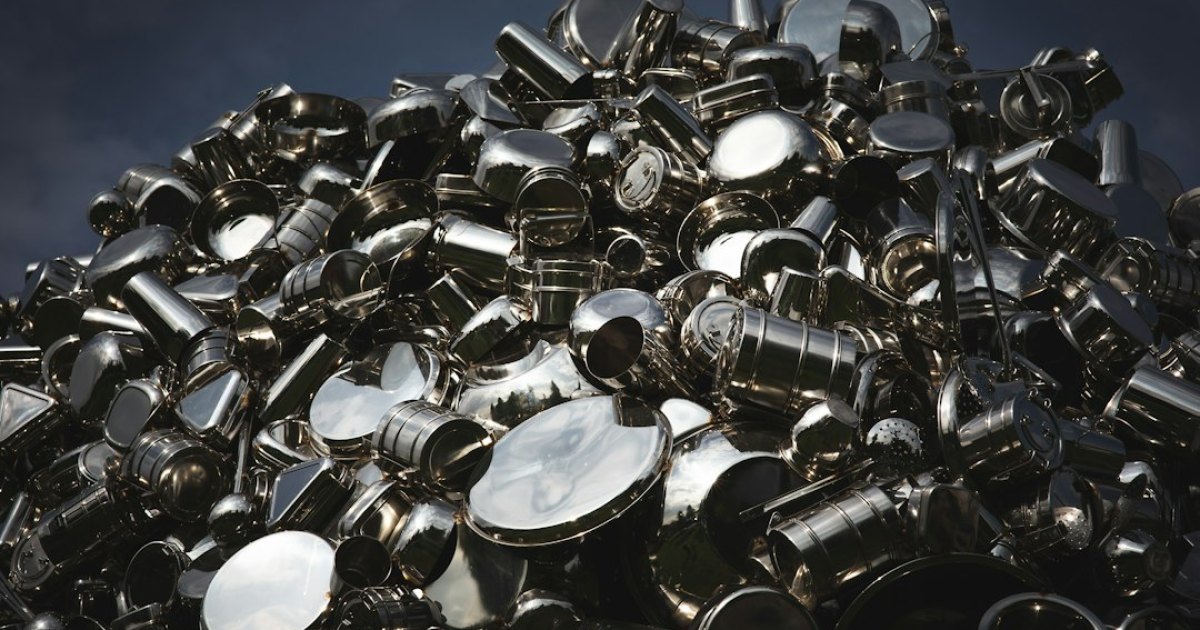
Stainless steel is ferrous. It is a steel alloy with iron as the base metal, so the answer to "is stainless steel ferrous or non-ferrous" is yes. But that science answer is not how you list it at the yard. You list it as stainless.
Is stainless steel ferrous or non-ferrous? List it as stainless
Common stainless grades are roughly 70 to 75 per cent iron, and stainless is defined as a low-carbon steel with at least 10 per cent chromium. That makes it ferrous by content. It is not non-ferrous the way aluminium or copper are.
The yard rule is to keep it separate. Buyers pay for the alloy content, so the yard category matters more than the textbook category. Throw it in the steel bin and you risk selling it as light iron or HMS, and the price drops.
Why the magnet test fails at the yard
A magnet can split stainless into two piles.
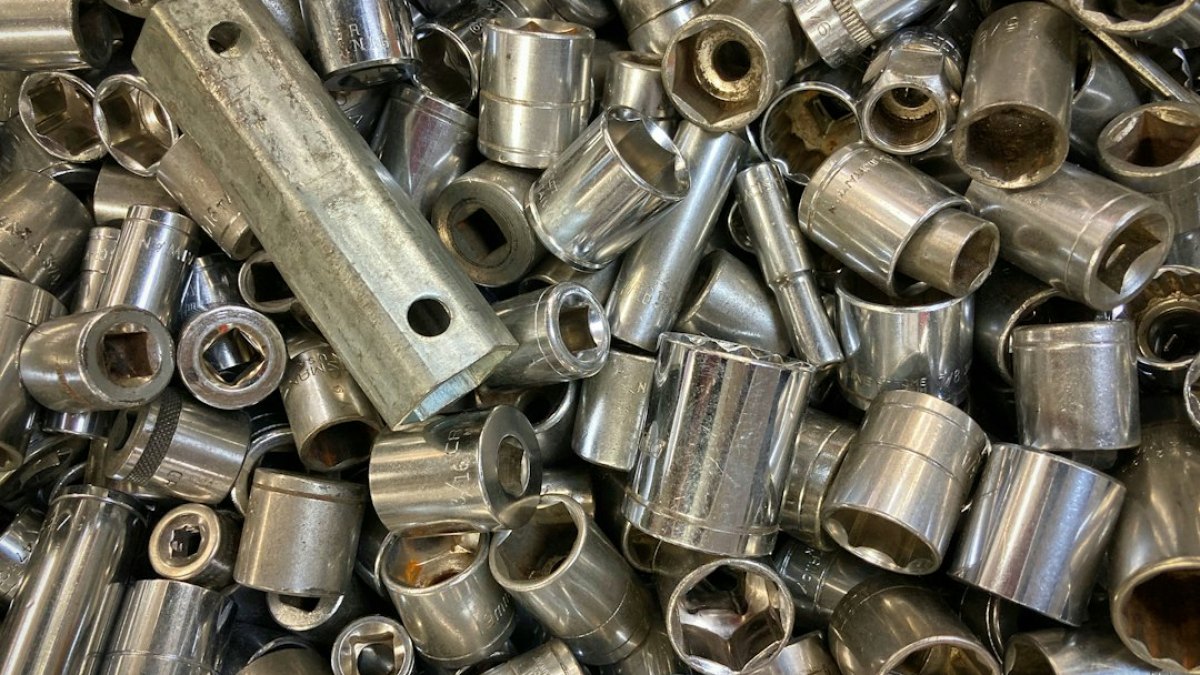
It cannot separate stainless from steel, and it cannot separate 304 from 316. Austenitic grades such as 304, 310, 316 and 317 are often non-magnetic or only weakly magnetic. Cold work such as bending or welding can make them pull a magnet. Ferritic grades such as 409 and 430 are magnetic. Martensitic grades such as 410, 420 and 440C are magnetic too. So if the magnet sticks, you may be holding 409 exhaust parts or 430 sink bowls, not plain steel.
Use the magnet to pull off attached steel fittings, not to prove grade. One steel bolt in a stainless load can make the whole lot test magnetic. And a magnet that will not pick up the material does not prove it is 304 either. It may be aluminium, nickel-plated brass, chrome-plated steel or a non-magnetic stainless grade. If grade matters, look for markings or paperwork, or ask for buyer-approved testing. The magnet tells you something about what is attached, not what the alloy is.
How the trade prices stainless
Stainless is bought as its own category. It is not mixed with light iron or HMS.
The price sits in the alloying elements, especially nickel, chromium and molybdenum, not the iron base. That is why some yards treat stainless as a special class, and why its value can be calculated off nickel prices and mill percentages.
ScrapTrade lists stainless steel separately from its ferrous categories, including HMS 1, HMS 2, light iron or sheet metal, shredded steel, structural steel and cast iron. Yards rarely put stainless in the same pile as plain steel. Do not list stainless as non-ferrous. List it as stainless. It is usually worth more than plain steel scrap, but ferritic grades with little or no nickel price far lower. The buyer is not paying for 'metal that is not aluminium'. The buyer is paying for the grade and the alloy content.
Grades that move money at the yard
304 is the common 18/8 grade, and many sellers assume it because it is the default. 316 is the marine-grade stainless with molybdenum, and it usually carries the better price. 430 and 409 are ferritic grades with little or no nickel. They turn up in sink bowls, architectural trim, cooking utensils and exhaust parts, and they price far lower than 304.
The trap is selling 430 as 304, or buying it as 304. Both sides get burned. To tell 304 from 316, you need markings or paperwork, or testing the buyer approves. A magnet will not do it. If the material is unverified, call it mixed or unknown stainless. Do not guess. A clean 316 lot is not the same as a mixed stainless lot, and the price gap is real.
Where it goes wrong
The magnet trap cuts both ways. Magnetic ferritic stainless such as 430 sink bowls or 409 exhaust parts thrown in the steel bin loses its alloy value. It is sold as scrap steel, and the seller leaves money on the table.
Shiny non-magnetic lookalikes get claimed as 304. Nickel-plated brass, aluminium, chrome-plated steel and some coated fittings can look like stainless in a bin. If the buyer cannot verify the grade, the lot gets downgraded to mixed stainless at the scale, and the price drops.
Welded or bent 304 can pull a magnet weakly, so sellers doubt genuine material. A buyer who tests it and sees magnetism may decide it is not 304. One steel bolt left in a stainless load can make the whole lot test magnetic. That is not the same as the lot being steel.
The cost of guessing is a disputed lot and a lost buyer. Ferritic stainless sold as scrap steel prices at a fraction of its real value. Fake 304 claims make buyers test harder and trust less. Label uncertain material as mixed or unknown stainless, not as a grade you are hoping for. The scale does not care about your story. It cares about the category the buyer applies.
What to do with your stainless load
If you can verify the grade, list it as 304 or 316. If you cannot, list it as mixed or unknown stainless. Do not guess. Grade-specific transactions need markings, documentation or buyer-approved testing.
The goal is a load the buyer can weigh without arguing. Keep stainless clean and separate, and describe it honestly. If it may contain motors, fluids, wiring or sealed components, describe it as an appliance or machine, not as loose scrap. A clean description saves time at the weighbridge and protects the price you were offered.
- Use the magnet to pull off attached steel fittings, then separate stainless from steel, cast iron, aluminium, copper and brass where safe.
- Remove rubber, plastic, insulation, wood, fluids and other contamination before weighing, or disclose it.
- Check for grade markings or paperwork. Only claim a grade when the buyer can verify it.
- Check the buyer's specification before transport. Acceptance, grading and testing vary.
- Put stainless in its own bin or category, not the steel bin.
List your scrap on ScrapTrade and get offers from verified buyers across Australia.
Frequently asked questions
Will a magnet stick to stainless steel?
Sometimes. Some stainless is magnetic, some is weakly magnetic after processing, and ferrous attachments can make a magnet stick. Use it as a first check only, not a grade test.
Why is my 304 stainless magnetic?
It can be magnetic after processing, or there may be iron or steel attached. A magnet test alone won't confirm the grade, so use markings, documentation or buyer-approved testing where it matters.
How can you tell 304 from 316 stainless?
Use markings, documentation or buyer-approved testing, because a magnet test alone won't confirm the grade. If you can't confirm it, list it as mixed or unknown stainless.
What bin does stainless go in at the scrap yard?
Use the stainless bin if the yard has one, and list it as stainless. ScrapTrade's material-price reference treats stainless separately from ferrous categories, and the buyer's spec decides what is accepted.
Can you sell stainless steel as non-ferrous?
No, list it as stainless. Stainless is an iron-based alloy, and ScrapTrade's material-price reference treats it separately from ferrous categories. If the grade is uncertain, call it mixed or unknown stainless.