

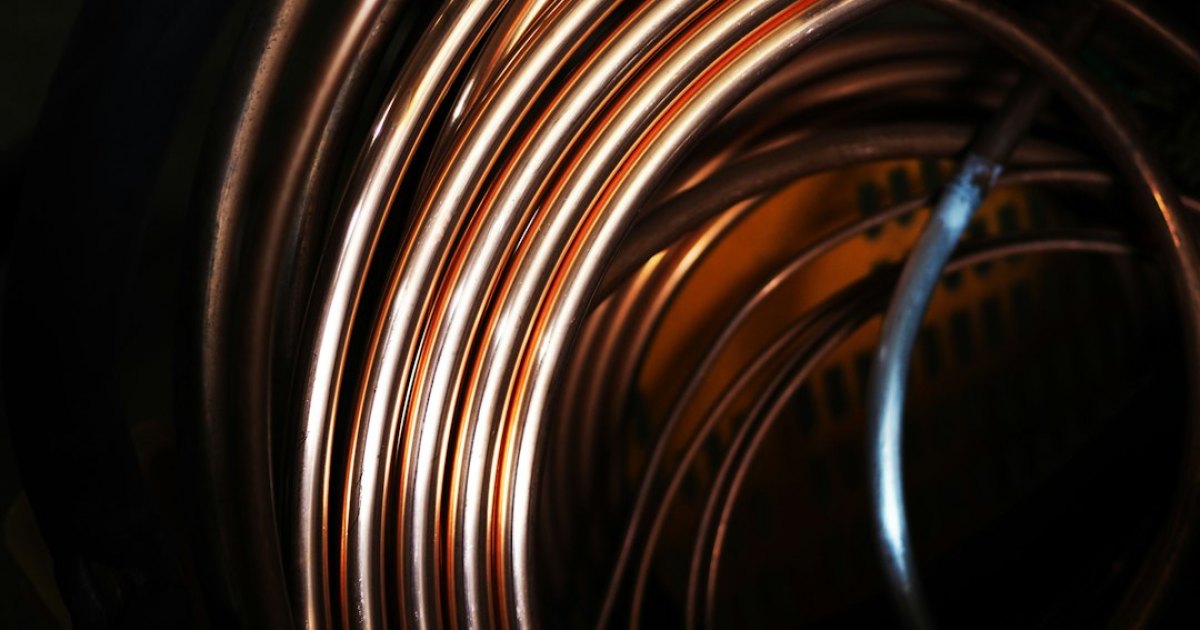
The most common mistake I see on ScrapTrade listings is a seller calling shiny wire bare bright when it fails one of the four tests a buyer runs at the yard. What is bare bright copper? Clean, uncoated, unalloyed copper wire with the insulation stripped off. That is the whole definition. Everything else is a different grade, and the gap between bare bright and #1 is real money at the scale.
What is bare bright copper? A wire grade, not a shiny metal label
Bare bright is a wire grade only. Pipe and bus bar are never bare bright, no matter how clean they are. Clean pipe is #1 copper. Pipe with solder or fittings is #2.
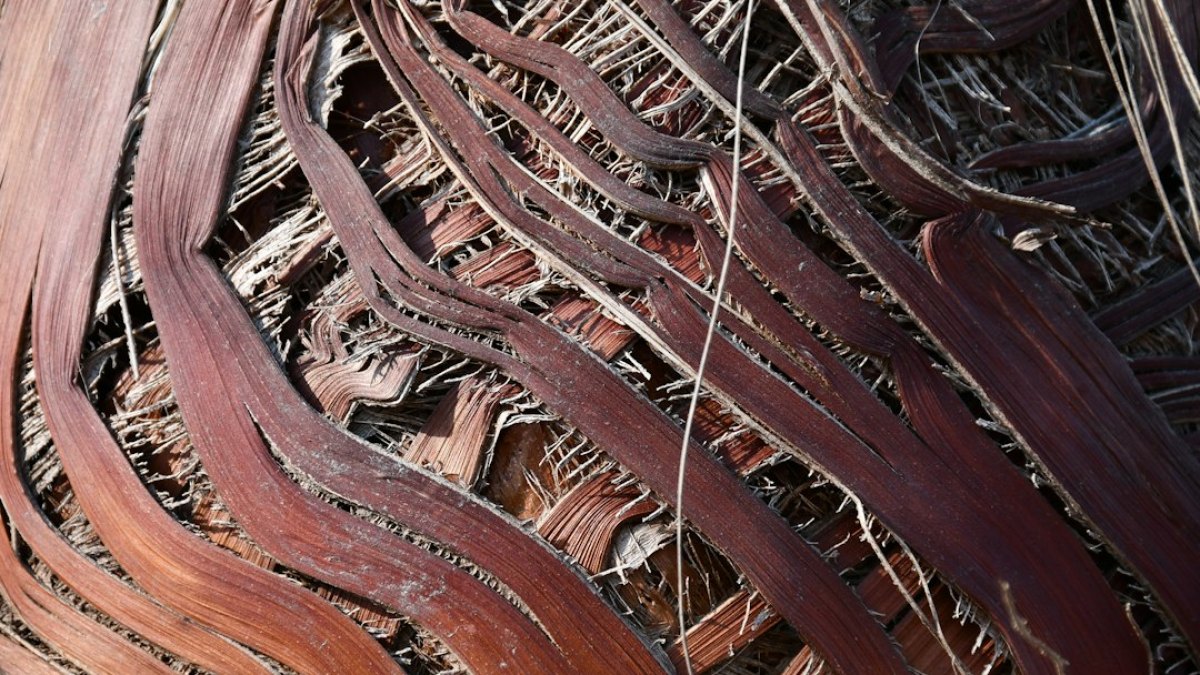
If the wire is dull, painted or soldered, it drops to #1 or #2. The label is not a compliment for any copper.
Insulated wire stays in the insulated copper cable category, priced on recovery percentage. Do not call a stripped-but-tarnished cable bare bright just because the jacket is off.
The four tests a buyer applies to your wire
Buyers at the yard run four checks before they weigh your wire. Fail one and the load drops.
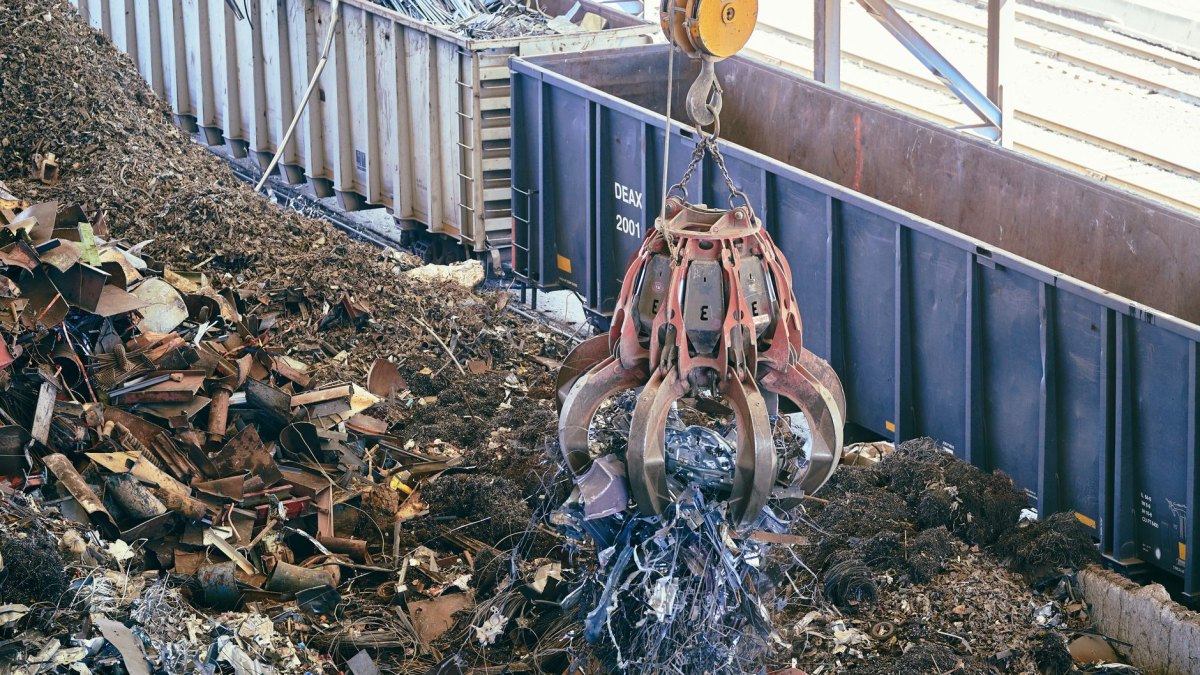
Brightness comes first. The wire must be bright, not tarnished. A dull surface can still be clean #1 copper, but it is not bare bright. Wire that has gone dark from sitting in a damp shed is #1.
Second, uncoated. No solder, paint or plating on the wire. A silvery skin can look bright and still fail this test, and it is the one that catches people out most.
Third, gauge. In yard practice bare bright is usually 12 AWG and larger, though the old ISRI wording said no smaller than 16 B&S gauge. The buyer's current written specification is what you match. If the buyer says 1.5 mm diameter minimum, that is the line for that load.
Fourth, strand type. The wire must be coarse-stranded, not hair wire. Welding cable and data cable fail this test even stripped clean. Hair wire never qualifies.
These tests decide money, not looks. Sort your wire before you list it, not after the buyer rings you.
Where the load drops if it fails one test
Dull or tarnished clean copper wire usually grades to #1. It is still copper; it just missed the bright test.
Solder, paint or light oxidation puts the wire into #2 copper. A few solder joints on an otherwise clean run can drag the whole lot down.
Insulated wire stays insulated cable. Recovery percentage varies with the construction, so do not assume one copper figure for all cable.
Burnt wire is refused outright or graded down hard. Do not burn insulation off to make wire look bare. The damage shows under a magnifying glass, and it changes the grade.
How to check tinning and copper-clad aluminium
Snip the end of a strand and look at the cross-section. Solid copper is reddish all the way through, outside to centre.
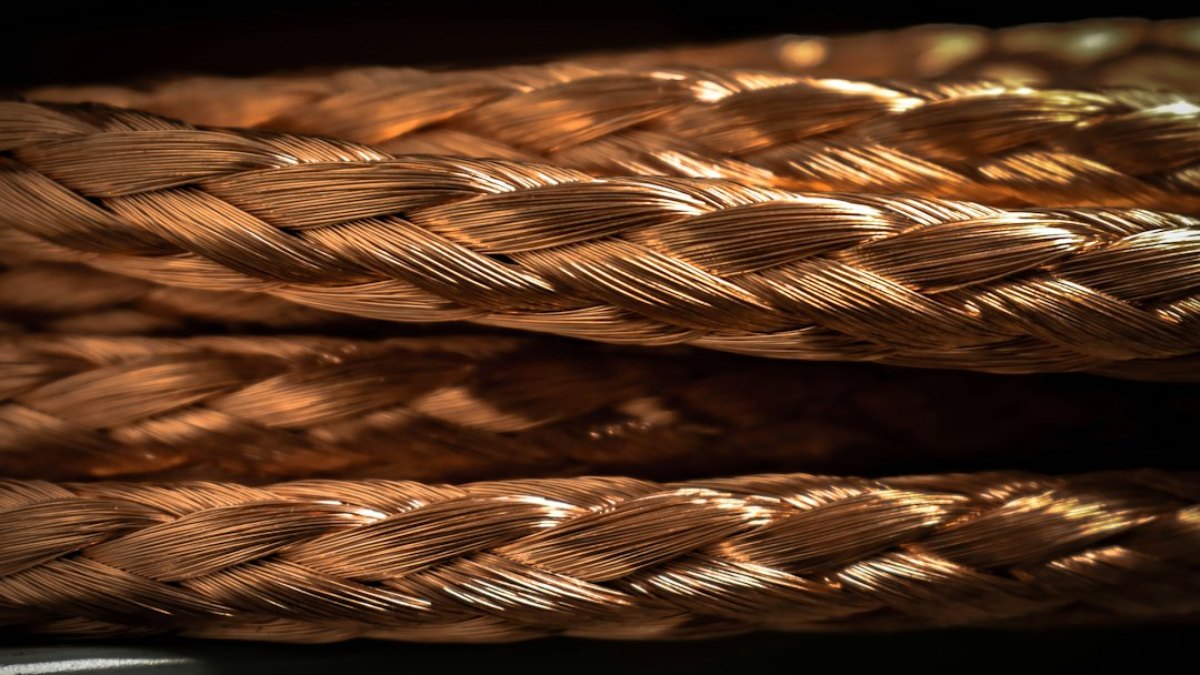
A silver centre means copper-clad aluminium (CCA). A silver skin on the outside means tinning. Neither is bare bright. CCA is a different metal altogether, and tinned copper has failed the uncoated test.
If you are not sure, snip a strand. It takes ten seconds.
Why the buyer's written spec decides the trade
Bare bright is a trade convention, not a laboratory certification. The old ISRI/ReMA Barley spec gave the familiar wording, but yard practice now runs off the buyer's written specification.
If the buyer says 12 AWG and larger, coarse-stranded, uncoated and bright, that is the test for that load. If your wire is borderline on any of those points, leave bare bright out of the listing.
A calculator or generic label is a reference description. The buyer's written spec and inspection govern. Confirm the grade before you accept a price, especially when the material is mixed or unusual.
Borderline cases that cost sellers money
The expensive mistake is listing shiny wire as bare bright when it fails a test you cannot see. Tinned wire keeps its bright look. Hold it to the light and it matches clean copper. The buyer snips a strand, sees the silver skin, and downgrades the load.
Fine-stranded welding or data cable is the second trap. Strip it clean and it looks the part. But the strands are hair wire, and the buyer rejects it. It was never going to make the cut.
Choosing Copper Bare Bright Wire on ScrapTrade for borderline or insulated material does not make the buyer accept it. The listing category is a search term, not a guarantee. A downgrade at the scale costs you the price and the relationship: the buyer has to write it up, and they remember who sent it.
The spread between bare bright and cable recovery pricing is why sorting pays. Cable copper percentage varies by construction; a thick single-core power cable recovers more than a thin multi-core data cable. State whether the lot is mixed, single type, sorted by conductor size or still on connectors, and let the buyer price it on actual recovery.
When stripping pays and how to list it on ScrapTrade
Stripping is overrated for thin or mixed cable. Cable is bought on recovery percentage, and hours of stripping can be worth less than the grade bump unless the wire is heavy, clean and already bare. If you have a bin of mixed thin cable, sell it as insulated cable and move on.
Thick single-strand building wire is the exception. Stripping a small amount is quick and lifts it into bare bright. Do not burn insulation off. Burnt wire is refused or graded down hard.
Pick the closest accurate category when you list: Copper Bare Bright Wire, Copper #1, Copper #2 or Insulated Copper Cable. If the load is mixed, describe the mix rather than forcing one label.
Describe the actual condition: gauge, strand type, coating, tarnish, solder and any burnt wire. Photograph the wire, including a close-up of a cut end so the buyer can see the cross-section.
If the material is mixed or unusual, ask the buyer to confirm the grade before you accept a price. List your scrap on ScrapTrade and get offers from verified buyers across Australia.
FAQs
Can copper pipe be sold as bare bright?
No, not as bare bright. Copper pipe can be Copper #1 if it is clean, uncoated and at least 1/16 inch thick, while bare bright refers to clean, uncoated, unalloyed copper wire with insulation removed.
How thick does copper wire have to be for bare bright?
There is no thickness rule in the bare bright description. The 1/16 inch rule applies to Copper #1, not bare bright, so check the buyer's spec if thickness matters.
Is it worth stripping copper wire before selling it?
Sometimes. Stripping can help if the buyer will grade the wire as bare bright or Copper #1 and the cost of stripping is less than the price gap; insulated cable has a lower recoverable copper proportion than clean bare wire.
Can I burn the insulation off copper wire?
No, not if the burning leaves the copper anything other than clean, uncoated and unalloyed. If you are not sure, list it as mixed or ungraded and ask the buyer to confirm the grade.
How do I tell copper-clad aluminium from real copper?
You can't assume it is bare bright. Copper-clad or mixed material is not bare bright, so if you cannot confirm the wire is unalloyed copper, describe it as mixed or ungraded and ask the buyer to classify it.