

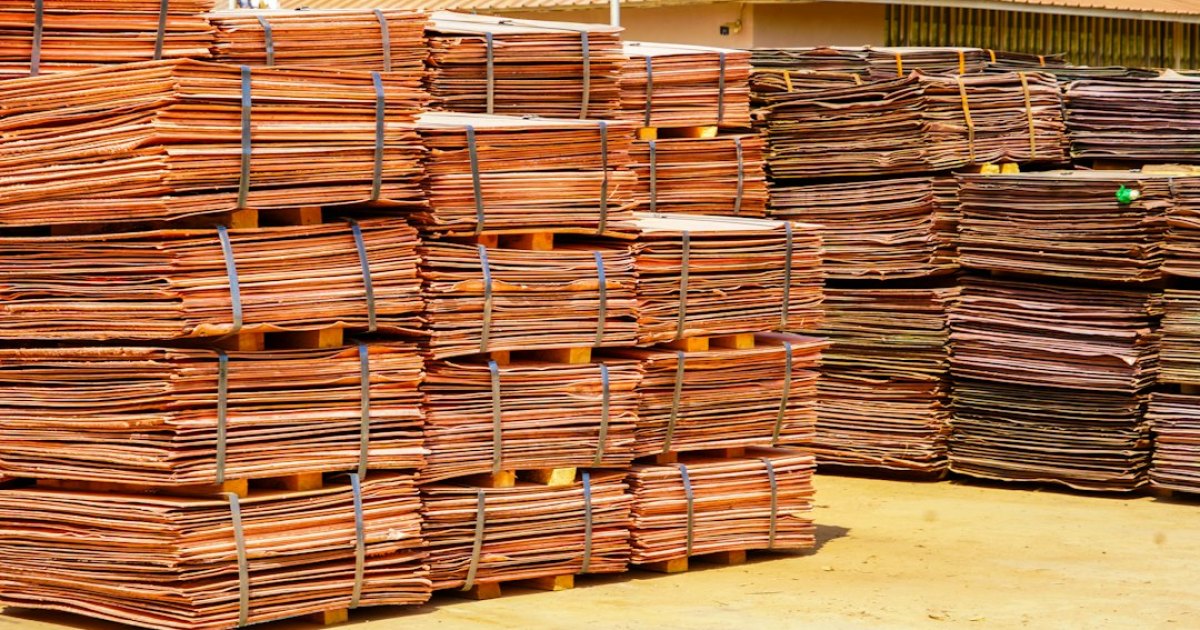
The most common mistake in #1 copper vs #2 copper grade requirements is assuming a little oxidation is fine. It isn't always. Surface tarnish that sits on the metal and wipes off can stay #1 in yards that accept dull-but-clean copper. Flaking scale, green or black corrosion, paint, solder or tin plating drops it to #2. That is where the money goes.
The oxidation line in #1 copper vs #2 copper grade requirements
We found no numeric oxidation limit in the specifications we could read. The working line is surface tarnish versus corrosion. Dull, discoloured but clean copper can stay #1 in some yards; flaking scale, green or black corrosion, paint, varnish, solder or tin plating makes it #2. The ladder is short. Bare bright tolerates no oxidation, #1 takes light tarnish, and #2 takes solder, paint and light oxidation. Each step down is a price step, so sorting pays. On ScrapTrade, visible oxidation belongs in a #2 listing unless the buyer confirms otherwise.
ScrapTrade's reference is the strictest line
ScrapTrade's calculator describes Copper #1 as clean copper tubing, bus bar and wire at least 1/16 inch thick. Copper #2 is copper that may have solder, paint or light oxidation. That makes the reference stricter than many yard practices, because even light oxidation counts as #2 here. A load that would pass as #1 in a yard accepting dull-but-clean copper still lands in #2 on the platform. When in doubt, list it as #2.
Why there is no fixed oxidation number
ReMA codes are buyer-seller agreements, not law. Candy covers #1 solids, Cliff covers #2 solids, Birch covers #2 wire. The only hard figure we found for #2 is a nominal 96% copper content, minimum 94%, determined by electrolytic assay. A buyer's written specification that accepts tarnish as #1 overrides the reference description for that sale. If your yard pays #1 for dull pipe, the buyer's written spec wins. Confirm the grade before agreeing a price, not after.
How to tell tarnish from corrosion at the counter
Surface tarnish sits on the metal and can often be wiped or buffed. Corrosion changes the metal itself. A silver ring at a cut pipe end means solder, and that piece is #2 unless the joint is cut off. Tinned wire looks silver rather than copper coloured and lands in #2. Green pitting eats into the metal instead of sitting on it, which can pull copper content toward the 94% floor. Black scale, paint and varnish are not #1 on ScrapTrade. Dull stripped wire with only surface tarnish may be #1 in a yard that accepts it, but list it as #2 unless the buyer confirms.
Where sellers lose money on light oxidation
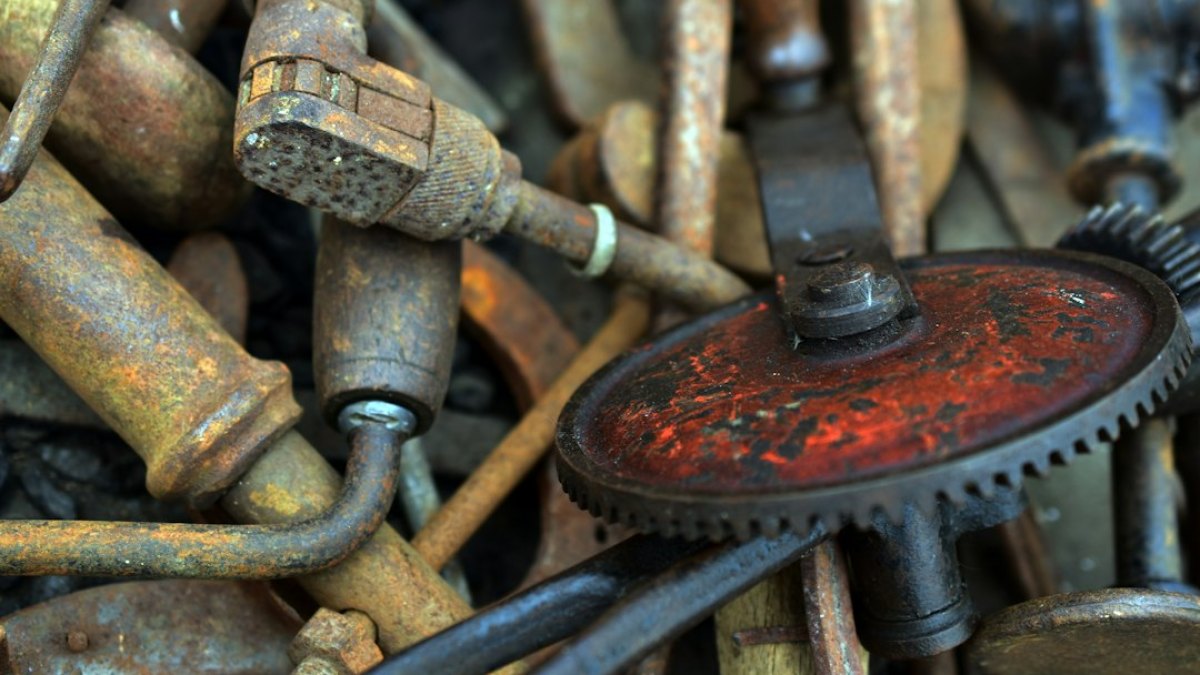
The word "light" has no measurement behind it, and that is exactly where sellers lose money. ScrapTrade's reference puts light oxidation in #2, while some yards accept dull-but-clean copper as #1. The same load can grade differently depending on who buys it.
Green pitting is the edge case most pages skip. It eats into the metal rather than sitting on the surface, so the copper content can drift down toward that 94% floor. A load that looks like #2 with a bit of green on it can be closer to the minimum than it looks.
Then there is burnt wire. Burnt brittle wire is excluded from both Birch and Cliff, so burning insulation off can drop the material below #2 altogether. No buyer wants it at any copper grade.
One brass fitting or steel valve on otherwise clean pipe pushes the piece out of Cliff entirely, because Cliff excludes brasses, bronzes and non-copper connections.
The labour trap is the one that stings. Cutting soldered joints off a load that is mostly elbows can cost more time than the #1-to-#2 price gap returns. If most of the length is clean, cut the dirty part off. If it is mostly joints, bring it as #2.
Myths that keep old guides wrong
"#1 wire must be 16 gauge" comes from the old NF-2013 circular and Clove, the chopped-wire grade. It is not in the current ReMA wording; ScrapTrade's #1 reference says at least 1/16 inch thick. "#1 is 99% copper" has no basis in the published specs. "#2 is 94% or less pure" misreads the 94% minimum. It is a floor, not a ceiling. "Brass fittings are not allowed in #2" is half right. Cliff excludes brasses and bronzes, so a brass fitting takes the piece out of the grade.
Sorting the load before you list it
Cut the dirty section off when most of the length is clean. Sell as #2 when the load is mostly joints, because the labour often costs more than the grade gap. Keep burnt wire, hair wire, brass and steel fittings out of the #2 pile. Do not burn paint or insulation off; burnt brittle wire is excluded from Birch and Cliff, so you can end up with a load no buyer will grade at any copper level. Strip it properly or sell it as insulated cable.
List the load so the grade is not disputed
Choose the closest accurate grade. Describe the actual condition, not what you hope it is. Photograph the whole lot, not one clean sample that does not represent the full load. Ask the buyer to confirm the grade for mixed or uncertain material. Check the live calculator and compare current offers rather than copying a stale number into a permanent listing.
If the load is mostly copper but has visible oxidation, list it as #2 and let the buyer confirm, because a grade dispute holds the funds while it is reviewed and no particular outcome is promised in advance. Describing the oxidation up front and letting the buyer set the grade costs nothing and avoids the hold. It is the cheapest insurance you can add to a listing.
If the copper type is uncertain, describe it plainly as mixed or ungraded copper and ask the buyer to confirm the classification before accepting a price.
List your scrap on ScrapTrade and get offers from verified buyers across Australia.
Selling in Australia? Scrap Yard Copper Prices: How to Check an Offer covers the Australian side.
Related guides: Copper Offcuts Scrap Price Per Kg: AC Installer Guide, Copper Scrap Supplier and Scrap Electric Motors: Copper and Value.
Frequently asked questions
Does paint on copper pipe make it #2?
Yes. ScrapTrade's reference puts painted copper in #2, not #1, because #1 is described as clean copper tubing, bus bar and wire at least 1/16 inch thick. If the pipe is painted, list it as #2 or mixed and let the buyer confirm.
Are brass fittings allowed in #2 copper?
No, not if you are selling the lot as #2 copper. Brass is a different metal, so separate it or describe the load as mixed. If the fittings are attached, disclose them and ask the buyer how they will grade the material.
What's the minimum copper content for #2 copper?
ScrapTrade's reference does not set a minimum copper content for #2. It describes #2 as copper that may have solder, paint or light oxidation, and the buyer's specification decides the final grade. Check the live calculator and ask the buyer before agreeing a price.
Can I burn wire to get the insulation off and sell it as #1?
Not automatically. It can only be sold as #1 if the result is clean copper wire at least 1/16 inch thick, with no coating or mix that changes the grade. If the wire is burnt, contaminated or hard to identify, describe it as mixed or ungraded copper and ask the buyer to confirm.
What we could not verify
- The current wording of the ISRI/ReMA Scrap Specifications Circular on oxidation and corrosion, which we did not read in full.
- How a particular buyer applies #1 and #2 to dull but clean copper.
Sources
- ScrapTrade Price Index grade definitions, accessed November 2026.
- ReMA public notice on proposed nonferrous scrap specification changes, and trade summaries of the Scrap Specifications Circular (Barley, Birch, Candy, Cliff), as summarised in search results.
General information only, not legal or tax advice. ScrapTrade operates a scrap marketplace and has a commercial interest in the scrap trade.